



News
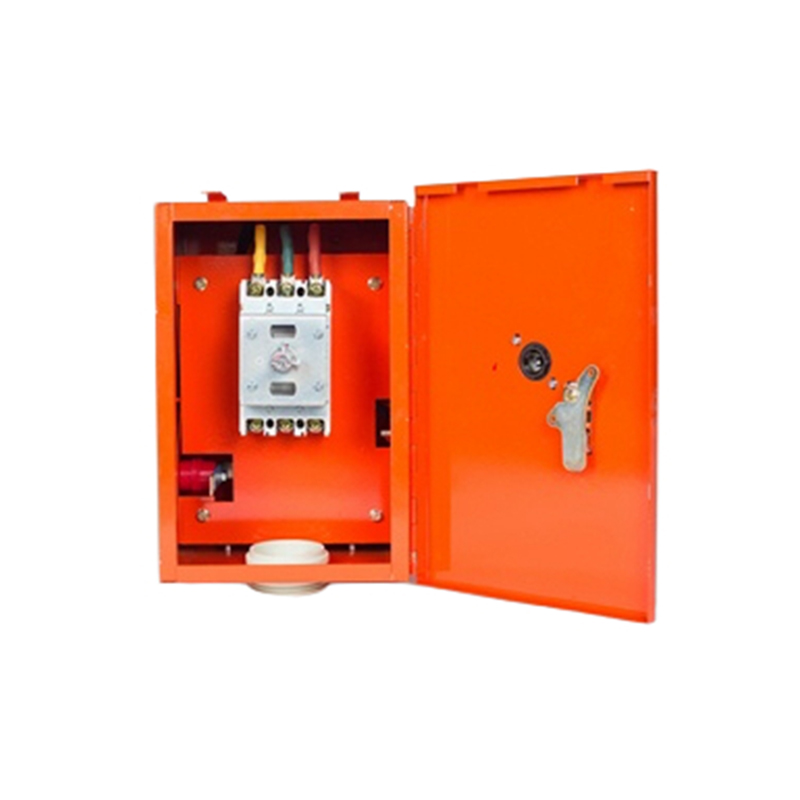
What is the difference between plug-in and feeder busway?
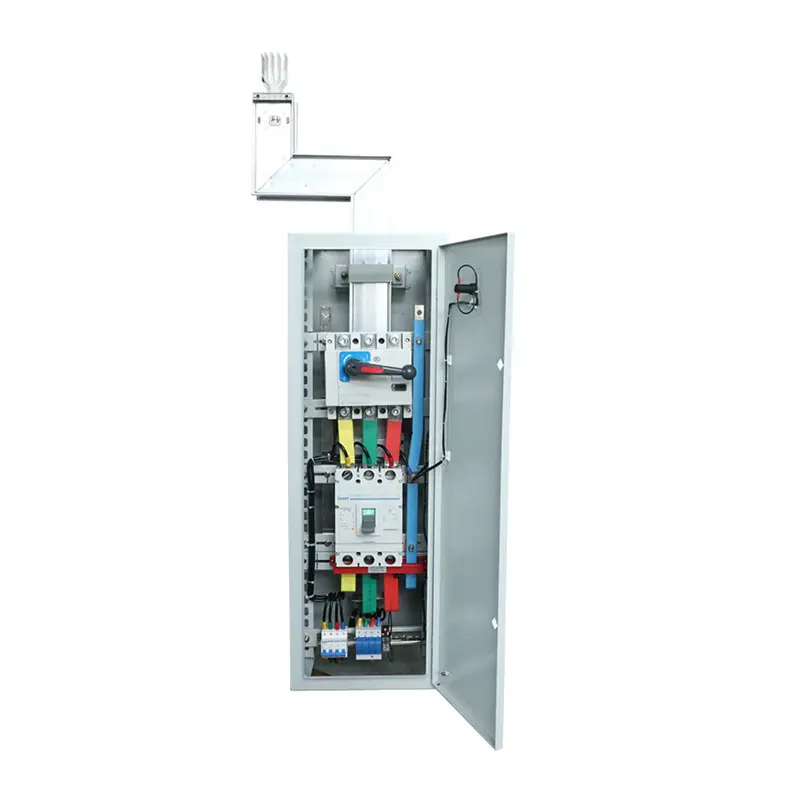
What is a busway plug-in unit?
In modern industrial workshops, large commercial buildings and centralized power distribution systems, traditional cable wiring can no longer meet flexible power supply and quick expansion needs. This is where a compact, practical power connection component comes into focus: the busway plug-in unit. Many construction and electrical teams encounter this part frequently during design and installation, yet few fully clarify what a busway plug-in unit is and how it optimizes on-site power layout.
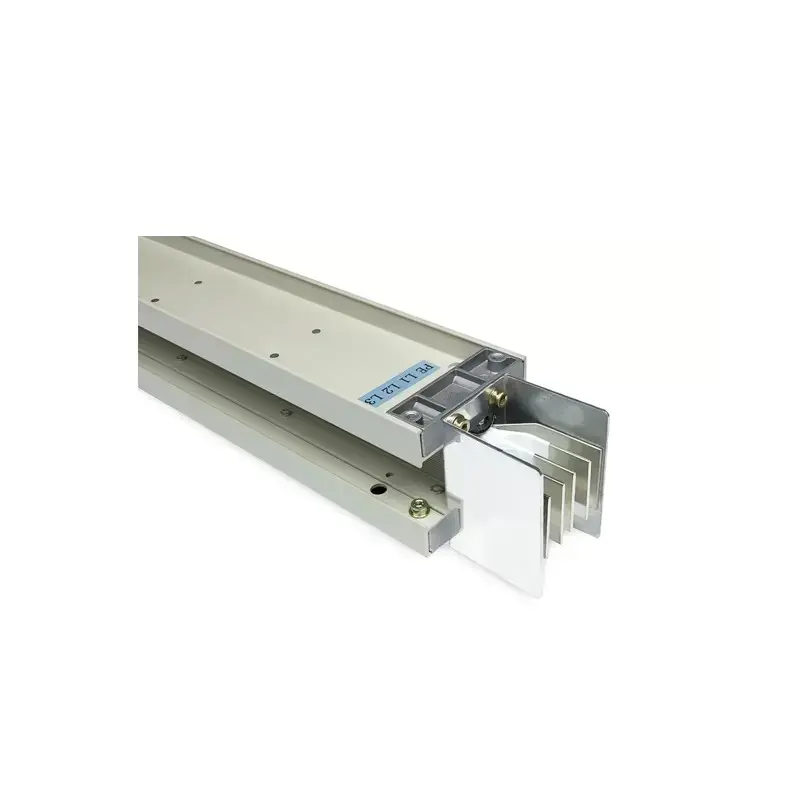
Sandwich Busway vs Air-Insulated Busduct: Which Is Better for Your Project?
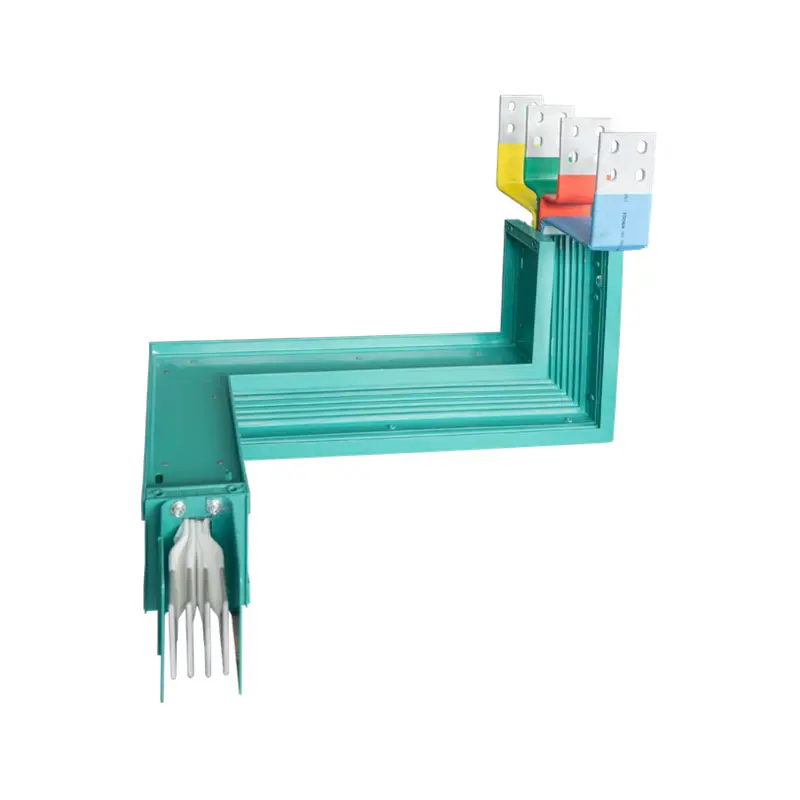
RT-CMC Intelligent Busway: Leading the New Trend of Efficient and Intelligent Power Distribution
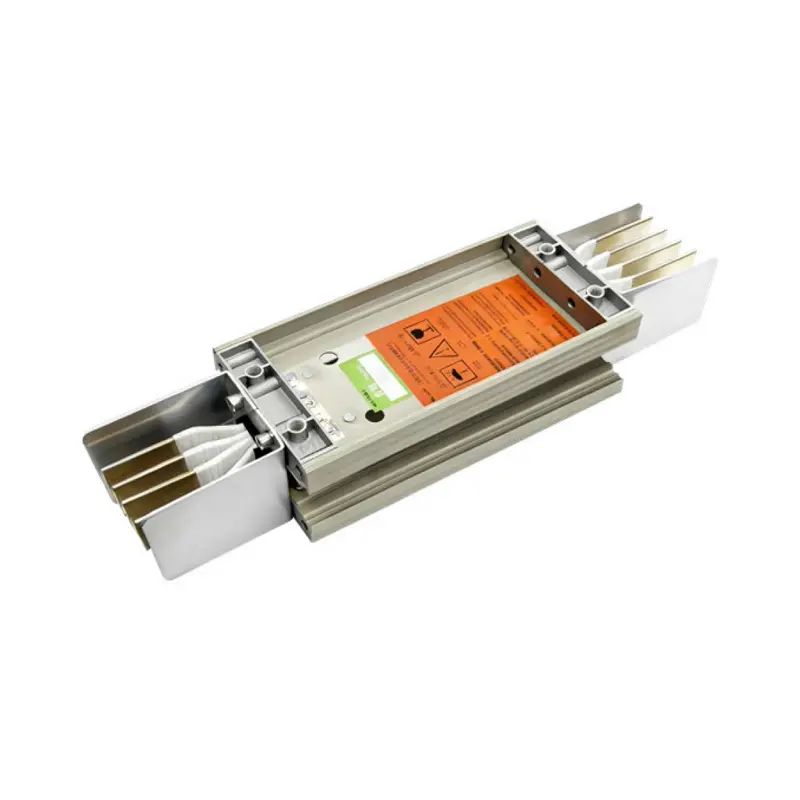
With the rapid development of industrial intelligence and smart buildings, the demand for power distribution systems is no longer limited to basic power transmission, but tends to be intelligent, efficient and visualized. Responding to the market demand, Zhejiang Rutong Electric has upgraded the RT-CMC series busway and launched the RT-CMC intelligent busway, which integrates intelligent monitoring, fault early warning and energy management, bringing a new mode of power distribution management to various industries.
Core Advantages and Engineering Application Value of RT-CMC Compact Busway
In modern building and industrial power distribution systems, busway, as an efficient power transmission carrier, directly determines the stability, safety and economy of the power distribution system. The RT-CMC series compact busway developed by Zhejiang Rutong Electric, with its innovative structural design and comprehensive performance optimization, has become the preferred power distribution solution for large commercial plazas, industrial plants, hospitals and other scenarios, perfectly solving the pain points of traditional busway such as high energy consumption, poor heat dissipation and cumbersome installation.
Lighting Busbar Trunking System (LBTS)
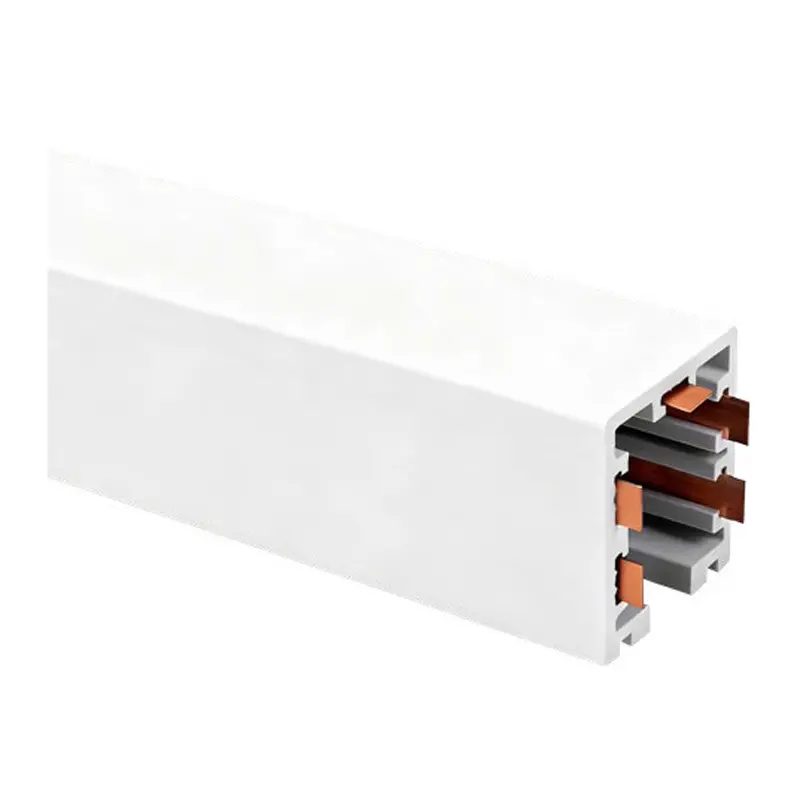
A well-designed lighting busbar trunking system can cut installation time, keep ceilings cleaner, and make future lighting changes far less painful—especially in workshops, retail, and parking facilities where layouts evolve. Below is a buyer-focused guide to Lighting Busbar Trunking System (LBTS), written to help you compare options, write clearer specifications, and choose manufacturers with fewer project risks.

What is sandwich type bus duct?
sandwich type bus duct is one of those power-distribution products that sounds niche—until you’re facing crowded risers, rising load demands, and a commissioning deadline that doesn’t care about your cable tray capacity. The appeal is straightforward: high current density, compact installation, and a modular system that engineers can specify and contractors can install with fewer moving parts. Let’s unpack What is sandwich type bus duct? from a buyer’s perspective—what it is, where it fits, what to verify, and how to choose a manufacturer you can trust.

What is busduct system?
A busduct system, commonly referred to as busbar trunking, is a crucial element in the electrical distribution landscape, particularly in large industrial and commercial environments. It serves as a highly efficient and reliable method for transmitting electrical power from one point to another, ensuring that facilities operate smoothly and safely. With its ability to handle high currents and provide flexible installation options, the busduct system has become a preferred choice for electrical engineers, facility managers, and project planners alike.
Sustainable Energy Policies Boost Compact Busway Demand Worldwide
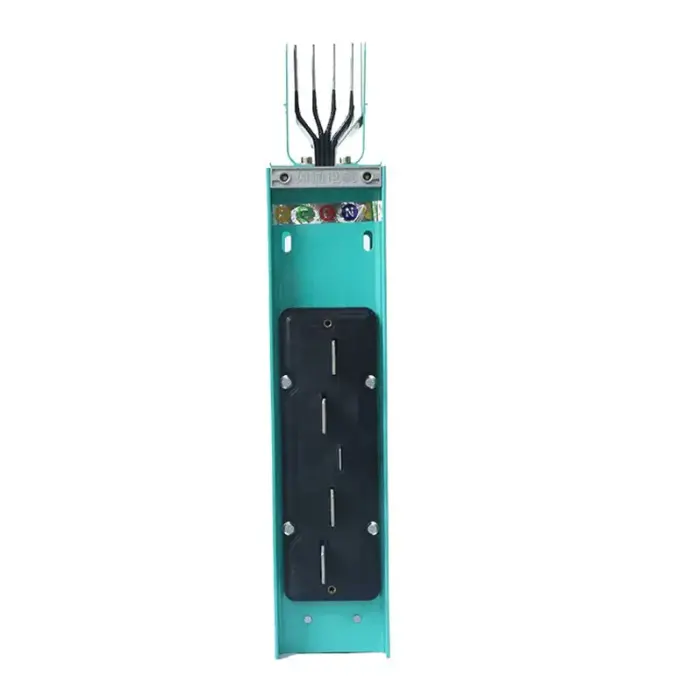
As governments worldwide ramp up efforts to hit carbon neutrality goals, sustainable energy policies are reshaping infrastructure investments—and compact busway systems are emerging as a go-to solution for efficient, low-carbon power distribution and public transit. For buyers and project planners, this policy shift isn’t just a trend—it’s a mandate driving demand, and understanding how compact busways align with these regulations is key to making informed decisions.
Future-Proofing Power Networks with Scalable Busway Systems
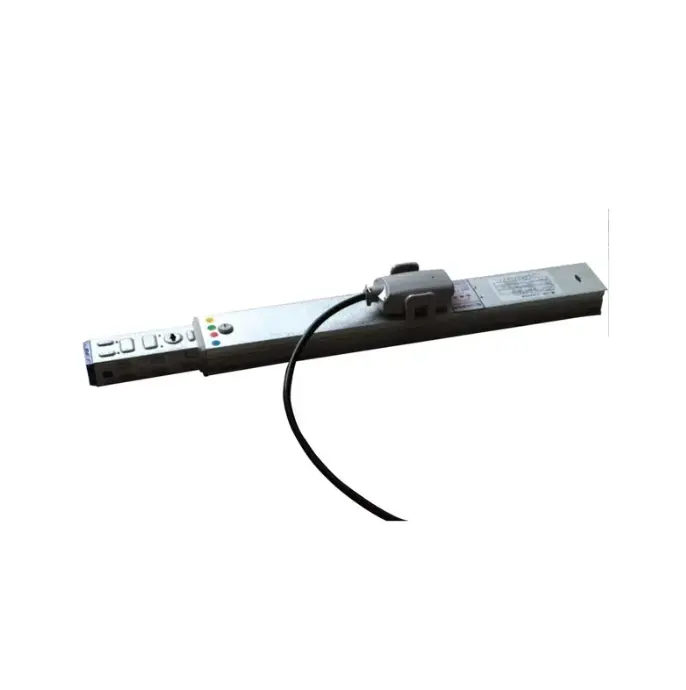
Today’s power networks face an unprecedented squeeze: exploding demand from AI data centers, surging distributed solar and EV chargers, and the pressure to build infrastructure that lasts decades—not just years. Traditional cable systems and rigid electrical setups are struggling to keep up, leaving operators stuck in reactive mode instead of future-ready planning. The solution lies in scalable busway systems—an unsung workhorse that’s redefining how we build resilient, adaptable power grids.