Why Choose Distributor Busduct for Your Electrical Needs?
In today's fast-paced electrical landscape, choosing the right distribution system is crucial. The Distributor Busduct has gained popularity due to its efficiency and adaptability. Reports indicate that the global busduct market is expected to reach $4.7 billion by 2026, reflecting a growing reliance on this technology in various sectors.
John Richards, a leading expert in electrical distribution systems, states, “Distributor Busduct systems can enhance safety and streamline the power distribution process.” This emphasizes the importance of selecting a busduct tailored for specific electrical needs. The modular design allows for easy installation and reduced maintenance.
However, challenges persist in the industry. Not all Distributor Busduct solutions are equally effective. Quality can vary significantly among manufacturers. Companies must conduct thorough evaluations before purchasing. This diligence ensures reliable performance and safety standards. Balancing cost and quality remains a challenge for many. Ultimately, the choice of Distributor Busduct can significantly impact operational efficiency and safety in modern electrical infrastructures.

What is a Distributor Busduct and Its Functionality?
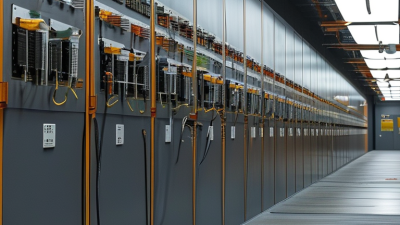
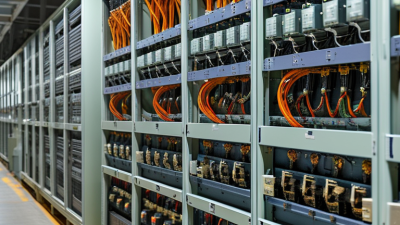
A distributor busduct is a vital component in modern electrical systems. Essentially, it is a framed conductor system designed to distribute electrical power efficiently within commercial and industrial settings. These systems can carry extensive electrical currents, vastly reducing the need for complex wiring while maintaining a compact footprint. This compact design is particularly valuable in tight spaces or when retrofitting older buildings.
The functionality of a distributor busduct revolves around its ability to enhance electrical safety and reliability. Typically constructed from robust materials, these systems are built to withstand heavy loads. There are options for both indoor and outdoor installations, thus accommodating various environmental conditions. It’s not uncommon for businesses to overlook the importance of proper installation, leading to potential inefficiencies and hazards. Conductors are often exposed to heat and moisture; having high-quality busducts helps mitigate these risks effectively.
Choosing a distributor busduct can seem straightforward, yet there are many considerations. Understanding the specific electrical requirements, load capacities, and installation environments is crucial. An improperly sized system may not only underperform but could also lead to unscheduled downtime. Regular maintenance and monitoring are essential practices to ensure longevity and functionality. Embracing these insights can lead to a safer and more efficient electrical distribution system.
Key Advantages of Using Distributor Busduct for Electrical Systems
Distributor busduct systems are increasingly popular for industrial electrical applications. Their design offers significant advantages in terms of efficiency and safety. Industry reports indicate that busduct systems can reduce installation time by up to 50%, compared to traditional wiring methods. This efficiency translates to lower labor costs and faster project completion.
Additionally, distributor busducts are known for their flexibility. They allow easy reconfiguration of electrical layouts. This adaptability caters to future expansions, reducing the need for extensive renovations. An analysis by the Electric Power Research Institute highlights that companies often see a 15% improvement in operational reliability with busduct systems. This is primarily due to their robust construction and insulation materials.
However, it's essential to consider that the initial investment for distributor busducts may be higher than other options. Some users may feel hesitant about making this initial outlay. Moreover, while they offer great benefits, understanding their installation process requires specialized knowledge. This may lead to unexpected challenges during setup.
Comparative Analysis: Distributor Busduct vs. Traditional Wiring Methods
When comparing distributor busducts with traditional wiring methods, efficiency is a key consideration. Distributor busducts offer a streamlined installation process. This can significantly reduce labor costs and installation time. They are modular, allowing for easy expansion. For growing projects, flexibility is essential. Traditional wiring often lacks this adaptability.
Safety is another critical factor. Busducts typically have better short circuit protection. They can handle high currents more effectively than standard wiring. This reduces the risk of overheating and fire hazards. In older buildings, upgrading to busduct can enhance overall safety. Yet, there are still challenges. Cost can be a concern. Initial investment in busduct systems may be higher than conventional wiring. However, the long-term savings in maintenance and energy efficiency may outweigh this.
Maintenance is simpler with busducts. Their design minimizes wear and tear, needing less frequent inspections. However, someone must be skilled in their installation and upkeep. Not all electricians are trained in busduct technology, creating potential gaps in service. Choosing the right system for your needs requires careful consideration. Balancing upfront costs against long-term benefits can foster better decision-making.
Why Choose Distributor Busduct for Your Electrical Needs? - Comparative Analysis: Distributor Busduct vs. Traditional Wiring Methods
| Criteria |
Distributor Busduct |
Traditional Wiring Methods |
| Installation Time |
Faster |
Slower |
| Space Efficiency |
More Compact |
Requires More Space |
| Maintenance |
Lower |
Higher |
| Flexibility |
High |
Limited |
| Cost |
Higher Initial Investment |
Lower Initial Investment |
| Electrical Efficiency |
Higher |
Lower |
Installation Considerations for Distributor Busduct in Electrical Projects
When considering the installation of distributor busducts, several key factors come into play. One significant aspect is the layout of your electrical system. A well-planned layout can facilitate smoother installation and increased efficiency. It's crucial to understand the space requirements and ensure there is enough clearance for maintenance and potential expansions. Addressing these logistical issues early can save time and money later.
Moreover, environmental conditions deserve careful evaluation. Busducts must withstand various settings, from high humidity to extreme temperatures. Choosing the right materials can optimize performance and durability. For instance, inadequate protection against corrosion might lead to failures, necessitating reevaluation of selected products. Electrical load calculations are equally important. Underestimating needs can cause overheating and system failures.
Collaboration with skilled professionals enhances the installation process. They can guide you in making informed decisions, as not all systems are created equal. A professional's insight can lead to significant improvements in installation efficiency. Engaging experienced electricians can prevent common pitfalls and ensure that your project adheres to safety standards and regulations. Their expertise ultimately contributes to a more successful implementation.
Maintenance and Safety Factors Associated with Distributor Busduct Systems
Distributor busduct systems play a crucial role in electrical distribution, especially in industrial settings. Regular maintenance is essential to ensure optimal performance and safety. According to a study by the International Electrical and Electronics Engineers (IEEE), nearly 30% of electrical failures arise from poor maintenance practices. This statistic underscores the need for scheduled inspections and preventive upkeep. Ensuring connections are tight and insulation is intact can mitigate risks significantly.
Safety factors must be prioritized in busduct systems. The National Fire Protection Association (NFPA) indicates that electrical systems are a leading cause of workplace fires, accounting for over 25% of total fire incidents. Installation of proper grounding and surge protection in busduct systems can lower this risk. It’s essential to consult with qualified electricians who understand the complexities of busduct infrastructure. Potential oversight, such as ignoring dust accumulation in the ducts, can lead to overheating and dangerous situations.
Furthermore, understanding load management is vital. IEEEagrees that improper load distribution can cause overheating or system failure. A careful examination of the load data can help in balancing the current to avoid strain on the system. While investing in distributor busducts offers great reliability, neglecting maintenance and safety aspects can lead to serious consequences. Constant vigilance and proactive adjustments are crucial for operational success.