10 Essential Tips for Understanding Non Segregated Phase Bus System?
Understanding the Non Segregated Phase Bus (NSPB) system is vital for modern electrical engineering. This system is designed to enhance power distribution efficiency in substations and power plants. It plays a crucial role in reducing power loss and increasing reliability. However, many engineers and technicians overlook its complexities.
The NSPB system combines multiple conductors within a single housing. This design minimizes space and simplifies installation. Despite its benefits, the system can lead to significant challenges. For instance, improper installation may result in overheating. This highlights the importance of expertise in handling NSPB.
Experience shows that mastering NSPB requires thorough understanding. It’s essential to consider various factors, such as thermal performance and structural integrity. Engineers must frequently update their knowledge to keep up with advancements. Failure to do so could lead to costly mistakes. Thus, ongoing education and practical experience are critical for success in utilizing Non Segregated Phase Bus systems effectively.
Understanding the Basics of Non Segregated Phase Bus Systems
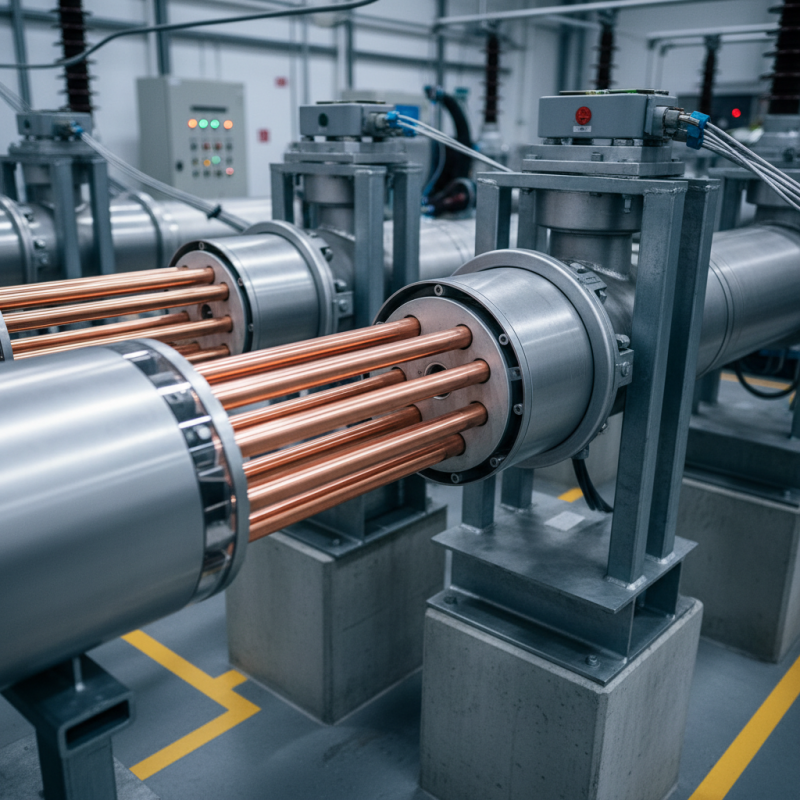
Non-segregated phase bus systems play a vital role in modern electrical infrastructure. Understanding the basics is essential for engineers and technicians alike. These systems utilize a compact design. This leads to a significant reduction in space requirements. They are particularly beneficial in urban settings where space is limited.
The operation of these systems involves busbars grouped together. This helps in minimizing losses and enhancing efficiency. Reliability is a key feature. However, due to their compact nature, there can be challenges. For instance, heat dissipation may pose risks. Proper ventilation and regular maintenance are crucial to address these concerns.
Installation requires attention to detail. Misalignment during installation can lead to failures. Investing time in proper setup pays off. Technicians must also consider environmental factors. Humidity and temperature fluctuations can impact performance. Continuous education is necessary for effective management. It is essential to stay updated on best practices and innovations. Understanding these elements helps in ensuring long-term functionality and safety.
Key Components and Materials Used in Non Segregated Phase Bus Design
When considering non-segregated phase bus systems, it's crucial to explore the key components and materials that define their design.
Conductors commonly used in these systems include copper and aluminum. Both materials offer excellent conductivity.
Copper is preferred for its superior performance but is heavier and more expensive. Aluminum is lightweight and cost-effective, making it a popular choice for many applications.
Insulation is another vital aspect. Materials like cross-linked polyethylene (XLPE) and thermoplastic compounds ensure electrical safety and thermal management.
XLPE is durable, handling high temperatures and environmental stress. However, careful evaluation of insulation thickness is crucial. An insufficient layer can lead to
safety hazards or even failure.
The structural integrity of the bus system often relies on support structures and enclosures. These components must use material resistant to corrosion and
environmental factors. Steel enclosures may provide robustness, while careful design is needed to manage heat dissipation.
Balancing these factors can be challenging and requires expertise to ensure reliability and efficiency.
Electrical Performance Metrics for Non Segregated Phase Bus Systems
Understanding electrical performance metrics is crucial for assessing non-segregated phase bus systems. These systems offer efficient power distribution, but performance can vary significantly. Factors like
temperature rise,
current carrying capacity, and
voltage drop are essential to evaluate.
Temperature rise, for example, can impact system reliability. Monitoring the temperature ensures the materials used can handle operational heat.
Current carrying capacity is another critical metric. It defines how much current a bus can safely carry before overheating occurs. Regular testing and measurements can reveal performance limitations.
Voltage drop affects efficiency and power quality. A significant drop leads to energy loss, causing issues in downstream equipment. Observing these metrics helps maintain optimal operation and spot potential risks early.
Balancing efficiency and safety is necessary, raising questions about system design choices and their long-term implications.
Safety Standards and Compliance for Non Segregated Phase Bus Installations
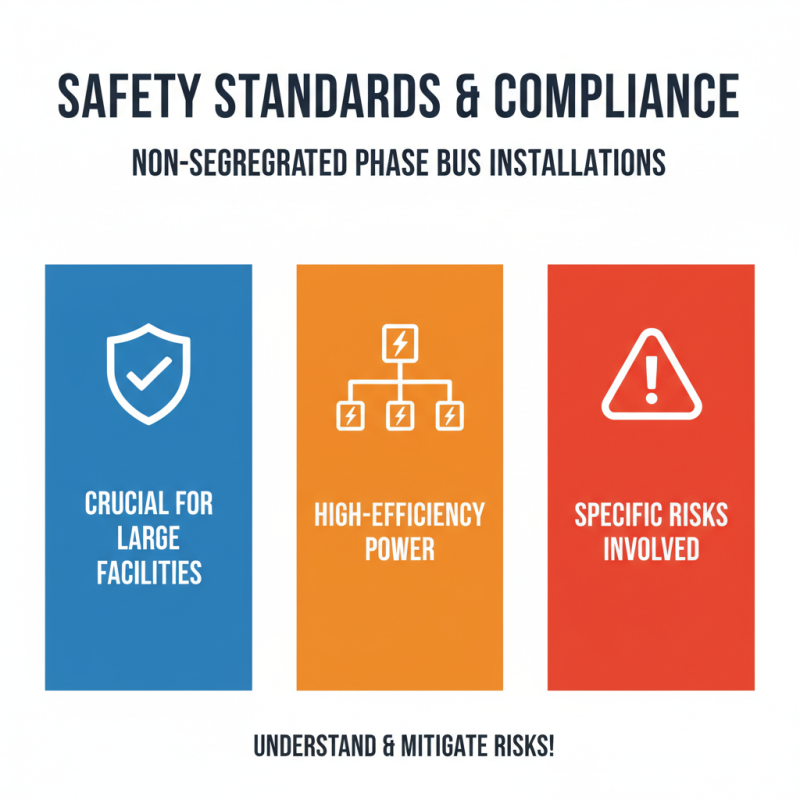
Understanding safety standards for non-segregated phase bus installations is crucial. These systems are often used in large facilities. They allow high-efficiency power distribution. However, they come with specific risks.
Compliance with safety standards is non-negotiable. Proper design and installation are critical to prevent electrical hazards. Regular inspections are required to ensure that installations remain safe. Professionals should be trained in handling these systems. Knowledge of fire safety guidelines is equally important, given potential overheating issues.
Documentation plays a key role in compliance. All installations should have a record of test results and maintenance logs. Often, professionals overlook the value of these documents. They provide accountability and a reference for future inspections. Understanding these details can prevent costly accidents. Ultimately, safety is an ongoing process, not a one-time checklist.
Maintenance Best Practices for Ensuring Non Segregated Phase Bus Reliability
Understanding the maintenance best practices for non-segregated phase bus (NSPB) systems is crucial for reliability and efficiency. NSPB systems serve as vital components in electrical distribution, providing a compact design that enhances space utilization. However, they require regular maintenance to prevent failures. According to a study by the Institute of Electrical and Electronics Engineers (IEEE), a lack of proper upkeep can lead to nearly 30% of industrial power outages.
Effective inspection routines must include visual checks for corrosion or wear. Inspectors should focus on connections and joints. Regular cleaning of bus bars can prevent arcing and overheating. Recommendations suggest performing these inspections at least twice a year. Timely maintenance can mitigate risks associated with electrical faults.
Monitoring temperature is another critical practice. High temperatures can point to potential failures. Installing temperature sensors can provide valuable data for ongoing analysis. Data from the American Society of Mechanical Engineers (ASME) indicates that temperature monitoring can reduce outages by 20%. Technicians should be trained to respond to alerts swiftly to avoid system failures. Implementing these measures builds a robust maintenance framework for NSPB systems, ensuring long-term reliability.
10 Essential Tips for Understanding Non Segregated Phase Bus System
| Tip No. |
Tip Description |
Importance |
Frequency of Maintenance |
| 1 |
Regular visual inspections for physical damage. |
Critical for identifying issues early. |
Monthly |
| 2 |
Ensure proper torque settings on connections. |
Prevents overheating and failures. |
Bi-annual |
| 3 |
Implement thermal imaging assessments. |
Identifies hot spots that indicate trouble. |
Annually |
| 4 |
Check and clean insulators regularly. |
Ensures clear electrical pathways. |
Quarterly |
| 5 |
Inspect grounding connections. |
Critical for safety and functionality. |
Semi-annually |
| 6 |
Review system performance metrics. |
Helps in identifying performance drops. |
Monthly |
| 7 |
Educate personnel on safety protocols. |
Essential for workplace safety. |
Ongoing |
| 8 |
Monitor environmental conditions. |
Prevents environmental impact on systems. |
Continuous |
| 9 |
Schedule regular professional audits. |
Ensures thorough and unbiased evaluations. |
Annually |
| 10 |
Document all maintenance activities. |
Essential for tracking performance and issues. |
Ongoing |