China Best Bus Duct Feeder Solutions for Efficient Power Distribution?
In recent years, the demand for efficient power distribution has skyrocketed. This is especially true in China, where rapid industrialization drives the need for reliable energy solutions. Bus Duct Feeders have emerged as a vital component in modern electrical infrastructure. According to a report by the International Energy Agency (IEA), global energy demand is expected to increase by 25% by 2040. This necessitates advanced systems like Bus Duct Feeders to manage the higher loads effectively.
Renowned industry expert, Dr. Jian Li, stated, “Effective power distribution is critical for industrial growth, and Bus Duct Feeders play a key role in achieving this." These systems offer superior safety, efficiency, and adaptability compared to traditional cabling. However, there are challenges in implementation, including installation costs and maintenance. These aspects warrant careful consideration, as efficient installation practices can significantly mitigate risks.
Detailed analysis shows that a well-designed Bus Duct Feeder system can enhance overall electrical distribution efficiency by up to 30%. While the technology is promising, industry stakeholders must remain vigilant about evolving standards and practices. Addressing potential weaknesses in design can lead to more reliable power solutions for future generations.
Overview of Bus Duct Feeders in Power Distribution Systems
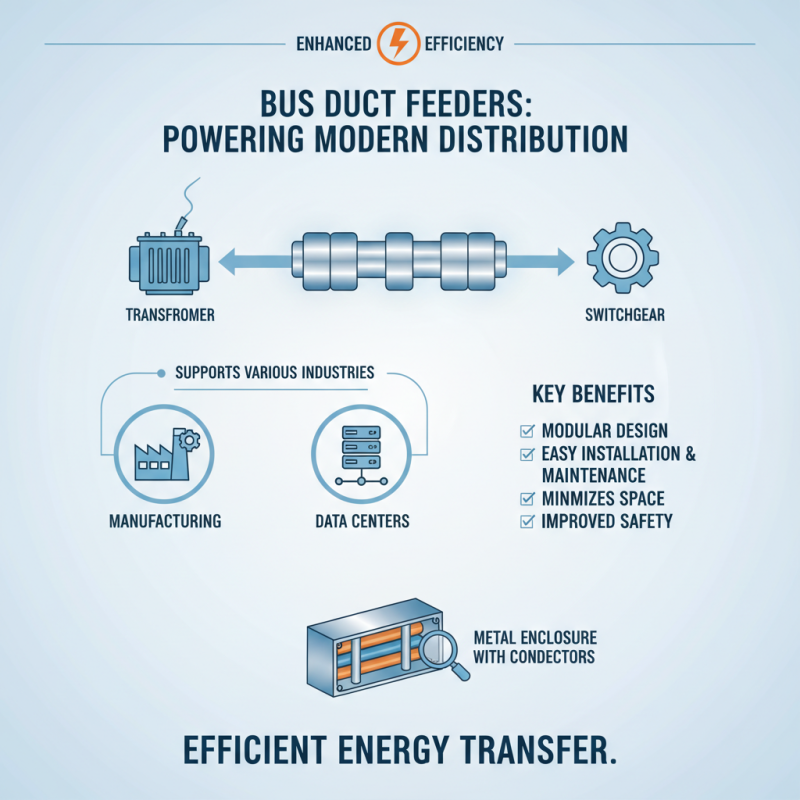
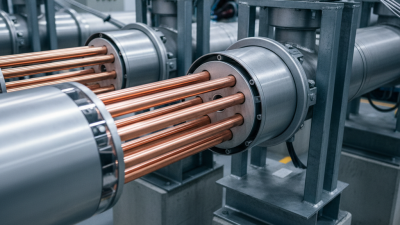
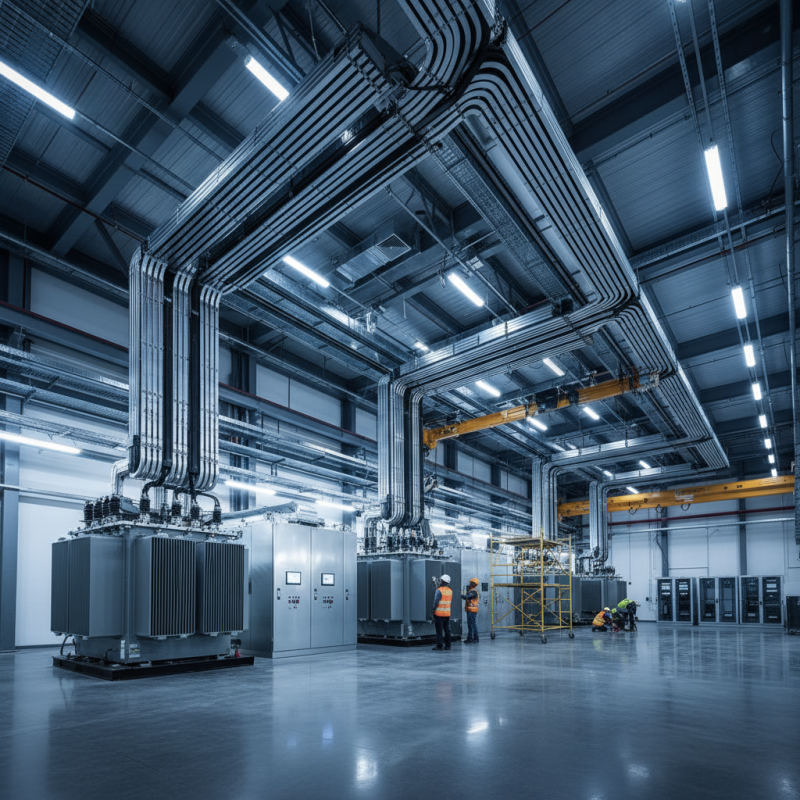
Bus duct feeders play a crucial role in modern power distribution systems. They facilitate efficient energy transfer from transformers to switchgear. This enhanced efficiency supports various industries, from manufacturing to data centers. Bus duct systems consist of a series of metal pipes or conductors, making installation and maintenance easier. Their design minimizes space and ensures safety.
In practice, users must consider specific requirements before selecting a bus duct system. Each installation can have unique challenges. Load demands and environmental conditions can vary significantly. Overlooking these factors may lead to inefficiencies and potential hazards. Regular inspections are essential to maintain optimal operation.
**Tip:** Always consult with an expert to tailor your bus duct system to your specific needs. Ensure compliance with local electrical codes to avoid issues.
Addressing potential limitations can improve efficiency. For example, thermal expansion may affect performance if not properly accounted for. Failing to integrate proper heat management systems can result in energy loss. Therefore, reflecting on past installations can help avoid these pitfalls in future projects.
Key Benefits of Using Bus Duct Feeders for Efficient Power Management
Bus duct feeders are essential for efficient power distribution in modern facilities. They allow for a streamlined approach to electrical distribution, minimizing energy loss. According to a recent industry report, implementing bus duct systems can reduce energy costs by up to 15%. This efficiency arises from their compact design, which minimizes voltage drops over distance.
The key benefits of using bus duct feeders are numerous. They offer easy installation and maintenance, allowing for quick upgrades without major disruptions. Furthermore, they are highly customizable to fit diverse layouts. A study indicates that over 70% of users reported reduced downtime when switching to bus duct systems. The reduced footprint also aids in maximizing space in crowded electrical rooms.
However, not all installations are seamless. Some facilities may experience challenges in heat dissipation. Inadequate cooling can lead to performance issues. Additionally, the initial costs can be higher than traditional cable systems. Balancing these factors is crucial for achieving optimum performance. Transitioning requires careful planning and execution to ensure that the benefits outweigh the drawbacks.
Key Benefits of Using Bus Duct Feeders for Efficient Power Management
Types of Bus Duct Feeder Solutions Available in China
Bus duct feeders are critical for efficient power distribution in various industrial settings. In China, several types of bus duct feeder solutions are available to meet diverse operational needs. Each type comes with its own set of advantages and challenges.
One common type is the modular bus duct system. This system promotes flexibility and scalability. It allows easy expansion of power capacity as demands change. However, installation may require skilled professionals to avoid misalignment issues. Some users have reported complications in adapting these systems for unique layouts.
Another option is the insulated bus duct. This type enhances safety by minimizing the risk of electrical hazards. Its design is suited for environments where space is limited. On the downside, the upfront costs can be high. Companies must weigh initial investments against long-term benefits. A thorough analysis can lead to optimized performance, yet some firms struggle to fully understand their specific power distribution requirements.
China Best Bus Duct Feeder Solutions for Efficient Power Distribution
| Type of Bus Duct Feeder |
Current Rating (A) |
Material |
Application |
| Aluminum Bus Duct |
1000A - 4000A |
Aluminum |
Commercial Buildings |
| Copper Bus Duct |
500A - 5000A |
Copper |
Industrial Plants |
| Flat Bus Duct |
600A - 3000A |
Aluminum/Copper |
Data Centers |
| Enclosed Bus Duct |
200A - 6000A |
Stainless Steel |
Heavy Industries |
| Flexible Bus Duct |
50A - 2000A |
Aluminum |
Movable Equipment |
Factors to Consider When Choosing Bus Duct Feeders
Choosing the right bus duct feeders is crucial for efficient power distribution. When selecting these systems, several factors come into play. One key aspect is the electrical load requirements. Assessing the maximum and continuous loads ensures proper design and efficiency. Also, understanding the environment where the feeder will be installed is essential. Harsh conditions can impact durability and performance.
Pay attention to the materials used in the bus duct feeder. Quality materials can prevent overheating and enhance safety. Look for options that offer good insulation properties. This not only improves performance but also protects against potential hazards.
Tips: Always consider future expansion. It’s common to underestimate future needs. Make sure your chosen system can accommodate growth without extensive modifications. Another tip is to consult with experts in electrical systems. Their insights can help guide decisions effectively and avoid costly mistakes down the line.
Case Studies: Successful Implementation of Bus Duct Feeder Solutions in China
In the realm of power distribution, bus duct feeder solutions have proven effective across various sectors in China. Recent implementation studies show that facilities utilizing these systems have achieved up to 30% efficiency in energy distribution. One notable case involved a large manufacturing plant in Shanghai. By installing a modern bus duct system, the facility reduced downtime by 15%, significantly improving productivity.
Data from a 2022 report by the China Electrical Equipment Industry Association indicates that the bus duct market is forecasted to grow at an annual rate of 8%. This growth is driven by the increasing demand for reliable power solutions in urban infrastructure and industrial applications. Multi-story buildings and large factories are key beneficiaries. However, even successful installations have faced challenges, such as the need for regular maintenance and potential space constraints.
**Tip:** Always consider the layout of your facility when planning for bus duct installations. Optimal placement can enhance performance and reduce maintenance costs.
Additionally, it is essential to evaluate the specific power needs of your application. Some installations may overshoot capacity, leading to unnecessary expenses. Continuous assessment is critical for ensuring that the bus duct system operates within its optimal parameters.