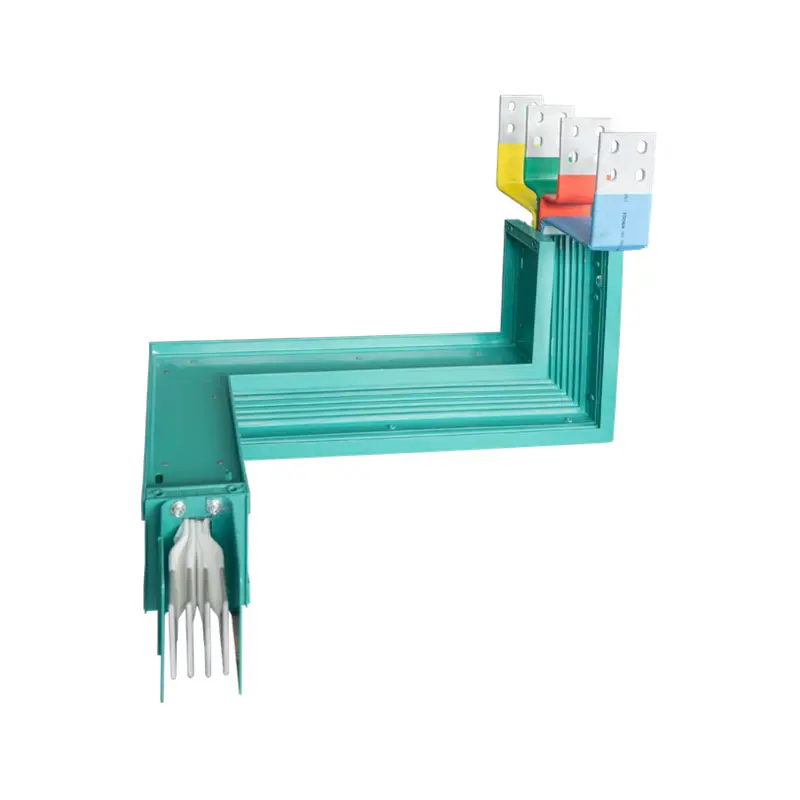
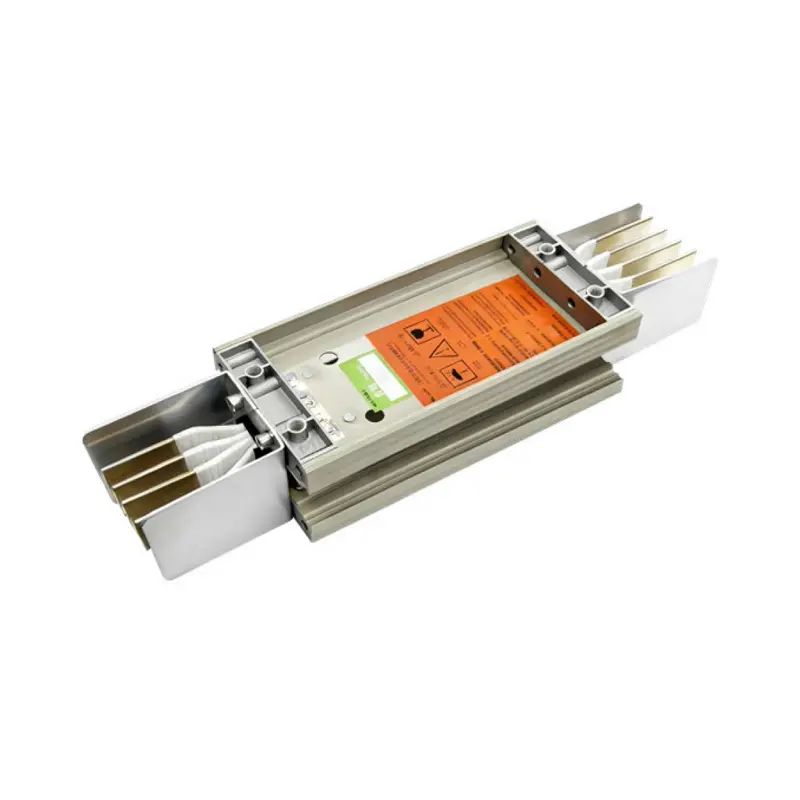
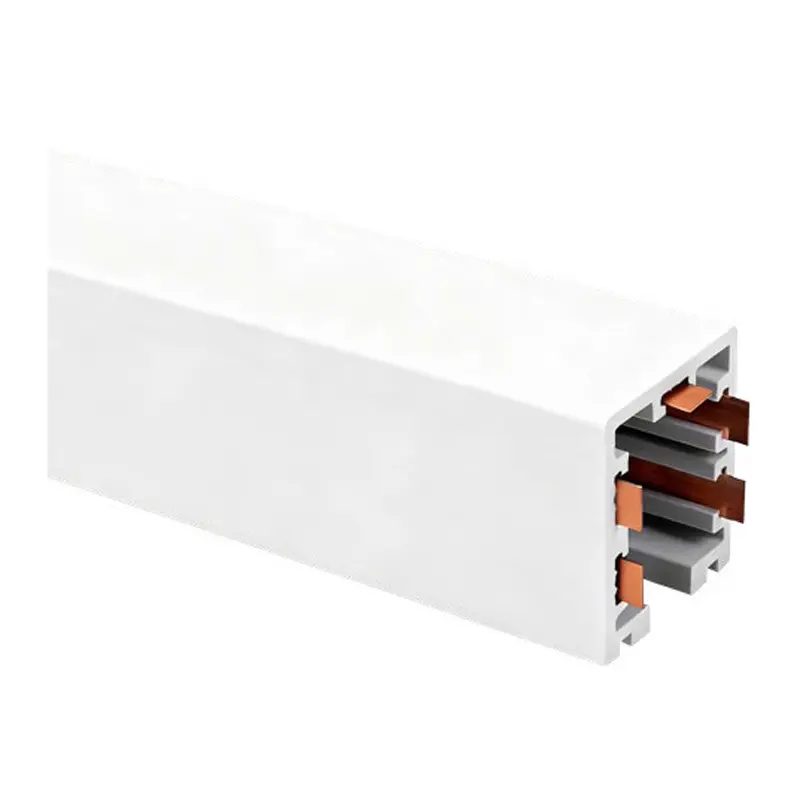


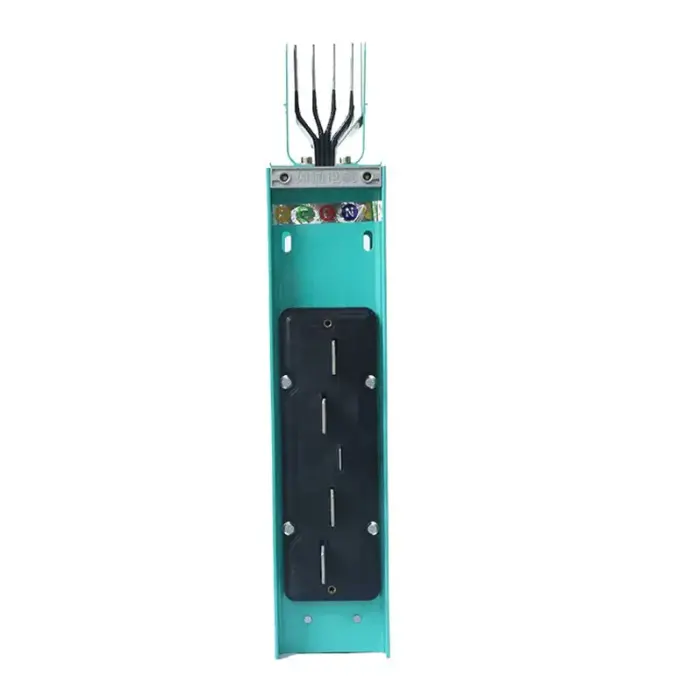
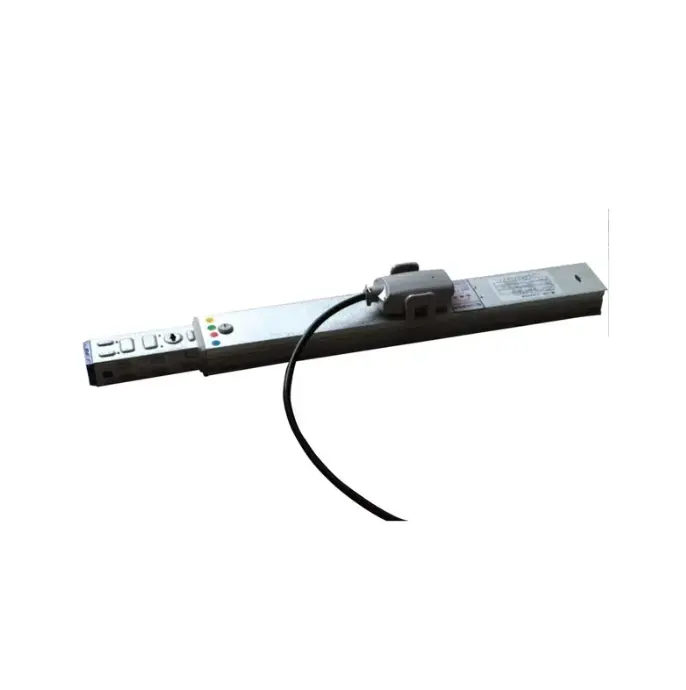
A Reliable and Efficient Class F Epoxy Resin Busduct System
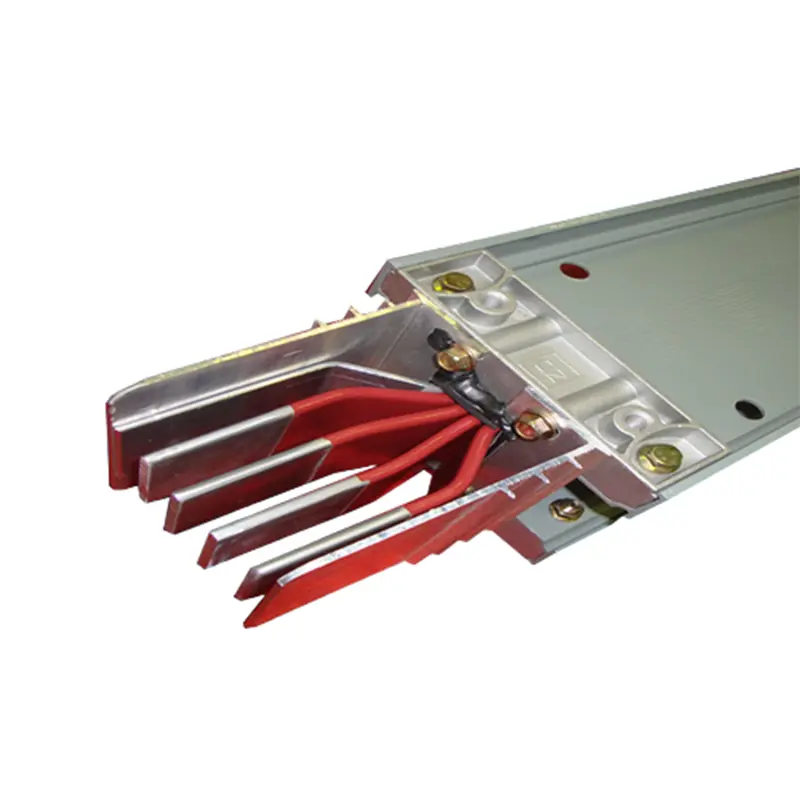
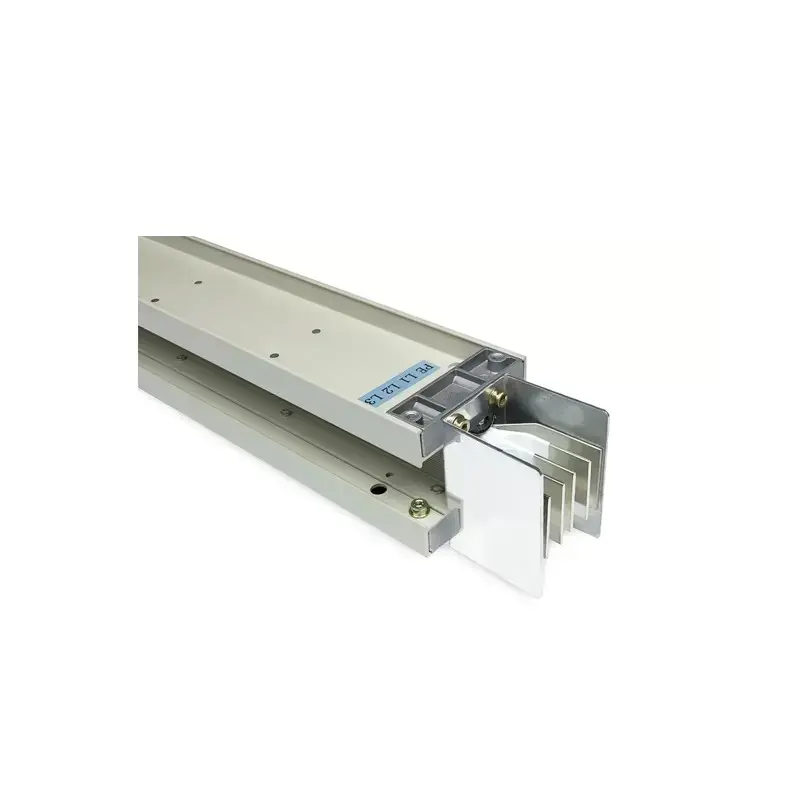
A key feature of this Busduct System is its versatile conductor design, which offers a choice between copper and aluminum cores. This flexibility allows project planners to select the optimal conductor based on specific operational requirements, cost considerations, and performance criteria. The system boasts an exceptionally wide current-carrying range, from 100A to 6000A. For applications demanding even higher capacity, the copper conductor version can support currents up to 6300A, while the aluminum version utilizes alloy reinforcements to achieve stable power transmission up to 5000A.
The insulation and protective qualities of this system are paramount to its reliability. The Busbars are insulated with a Class F epoxy resin, a material known for its excellent electrical and mechanical properties. This insulation is capable of withstanding continuous temperatures of up to 155°C. Such a high thermal endurance ensures that theBusduct System maintains its structural integrity and electrical safety margins even under demanding operational conditions, thereby minimizing the risk of insulation failure and extending the system's service life.
This combination of high current capacity and superior thermal performance makes the system suitable for a diverse array of demanding environments. It can be reliably deployed in settings with high ambient temperatures or where electrical loads are substantial and continuous. The robust construction and high-grade insulation collectively contribute to a low-maintenance, long-lasting power distribution solution that enhances the overall safety and efficiency of the electrical installation.
The Class F Epoxy Resin Busduct System represents a technologically advanced approach to power distribution. By integrating flexible conductor options, a broad current range, and highly resilient epoxy resin insulation, it delivers a dependable and efficient method for managing electrical power. This system effectively addresses the critical needs for safety, capacity, and durability in contemporary electrical infrastructure.