





Bus duct manufacturing process and storage requirements
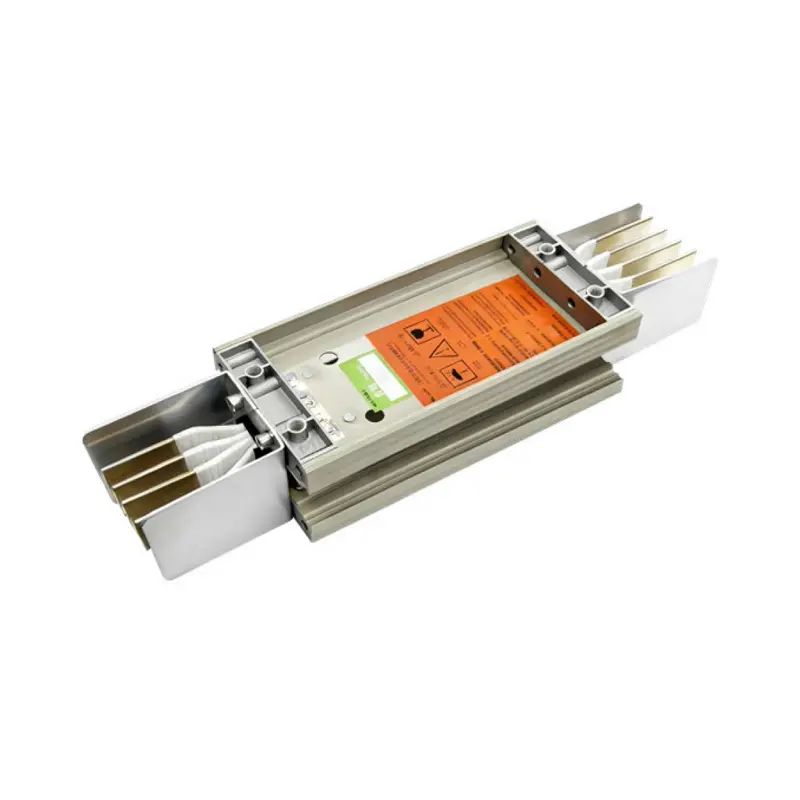
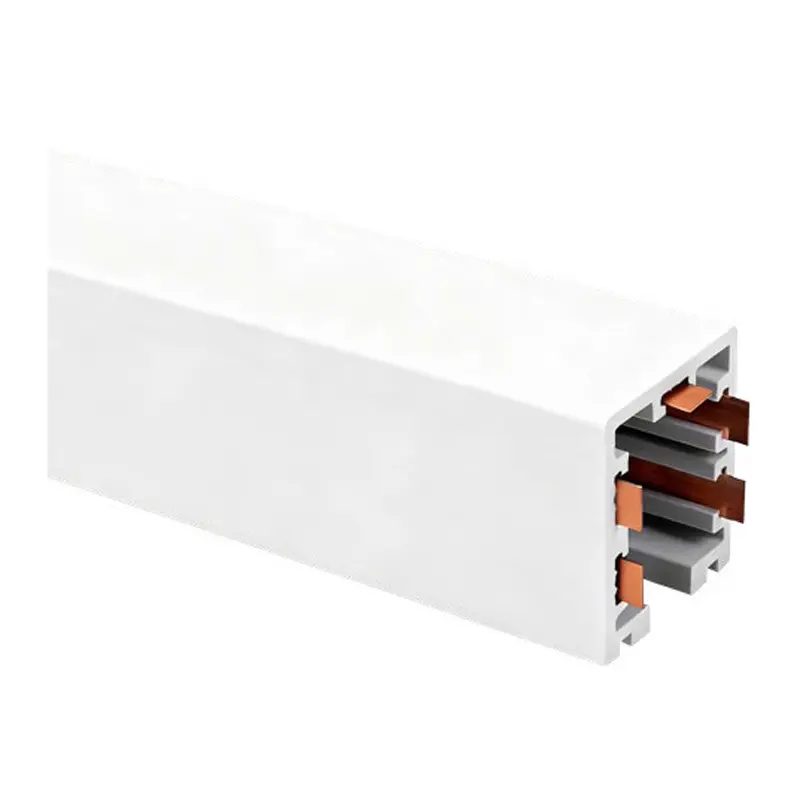
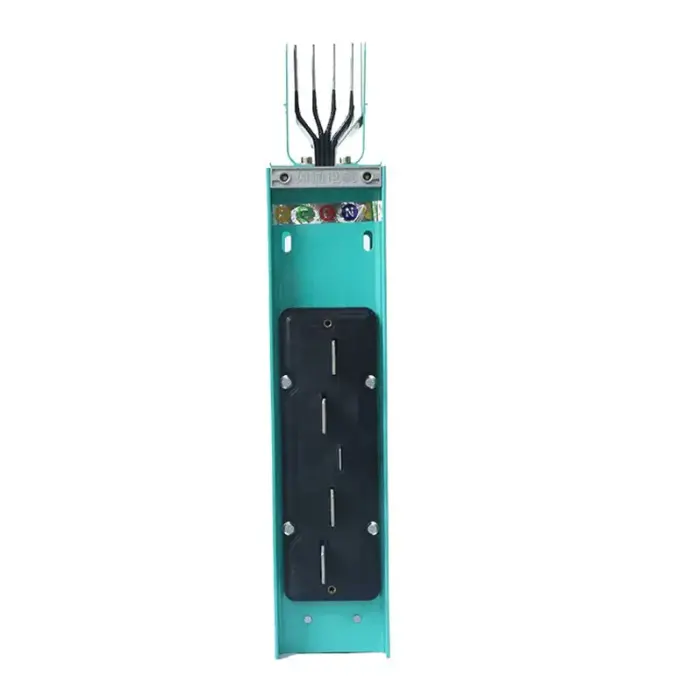
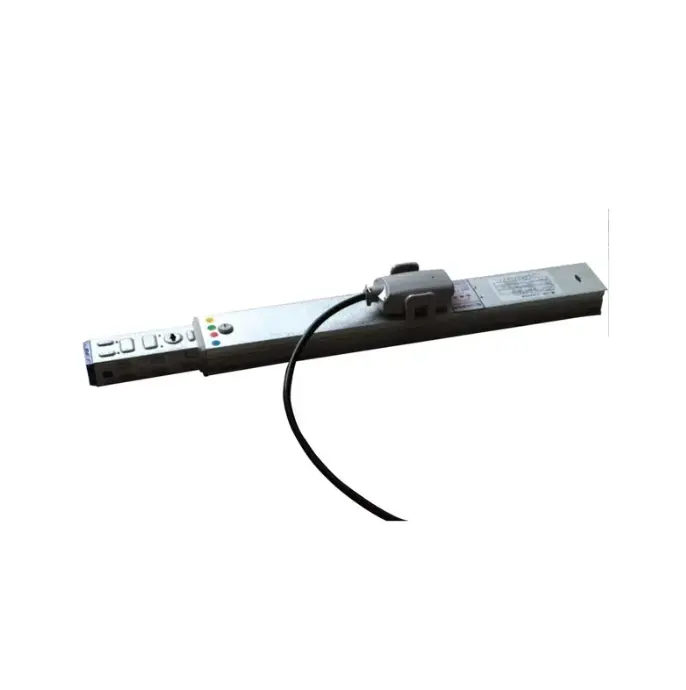
With the progress of the times, traditional cables are slowly being replaced by bus ducts. Bus ducts perfectly make up for the various shortcomings of traditional cables and interpret their unique characteristics, making bus ducts more and more known to people. With further understanding of it, people increasingly love and trust bus ducts. As people's awareness of bus ducts increases, the demand and competition in the bus duct industry has increased, prompting the continuous improvement of bus duct performance. Let’s take a look at the manufacturing process and storage requirements of bus ducts:
Craftsmanship
ThE Busbar workshop is divided into pre-assembly processes, package arrangement, polishing, outsourcing, assembly, packaging, and small parts.
The front set process: making the shell, cutting the copper bars, bending the copper bars, making side panels, making the plates and brackets of the plug-in box shell, etc.
Packed row: It is a copper row wrapped with insulating material.
Polishing: polishing the copper row
Outsourcing is tin plating, silver plating, etc., shell painting or other treatments.
Assembly means assembling Busbars or plug-in boxes.
Packaging is packaging.
Small parts are made of soft-connected copper sheets, woven bags, etc.
Each manufacturer is different and the process is also different
Do not place the busbar on the ground, drag it, or overlap it at will.
Before blanking, the busbar should be initially straightened and leveled.
The blanking length should be slightly larger than the size required for unfolding calculation or measurement. The remaining margin can be determined according to the complexity of the molding, the busbar width and the operator's experience.
Blanking can be done using an aluminum bed, a press or by hand. When blanking, parts of the material with unqualified surface quality should be discarded.
The cut blank should be straightened and leveled. Its straightness should be within 2mm/m for the wide surface and within 3mm/m for the narrow surface. The burrs of the cutting part should be removed before correction.
Manual straightening and straightening should be carried out on the flat plate with a wooden hammer.