





Enhancing energy transmission using high-voltage common box bus ducts
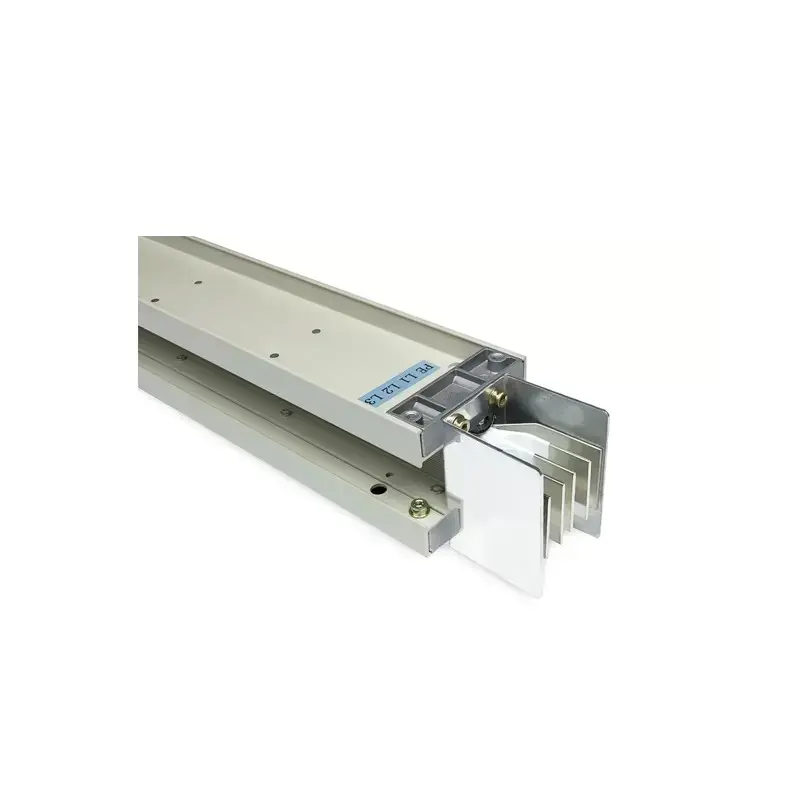
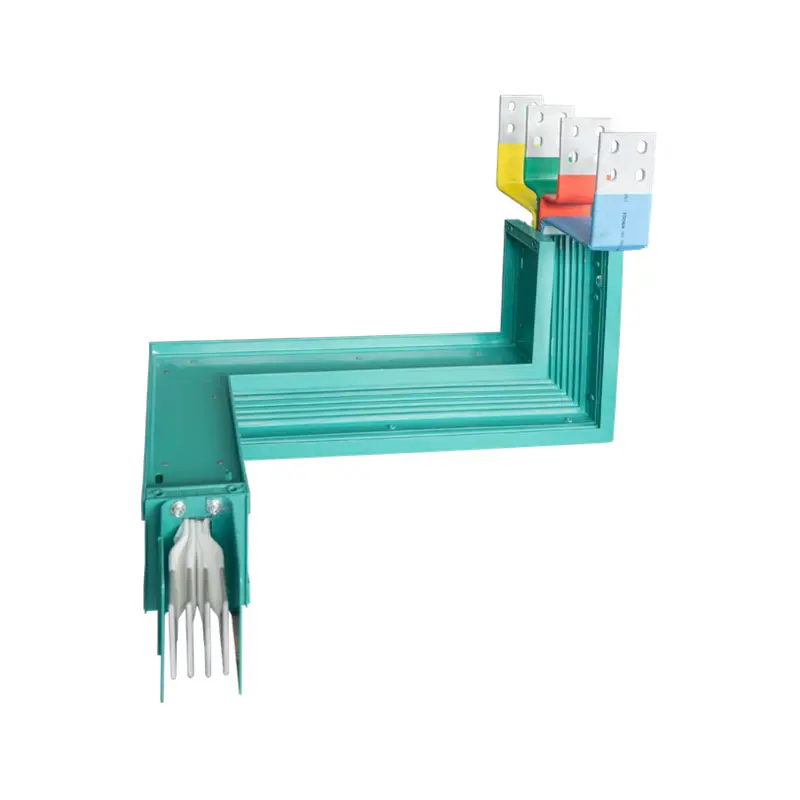
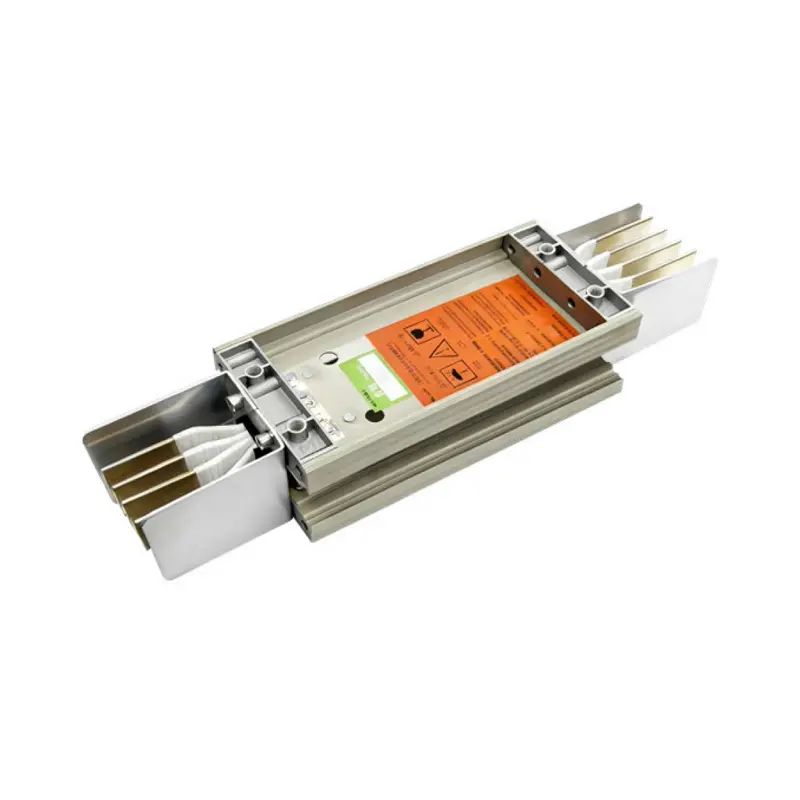
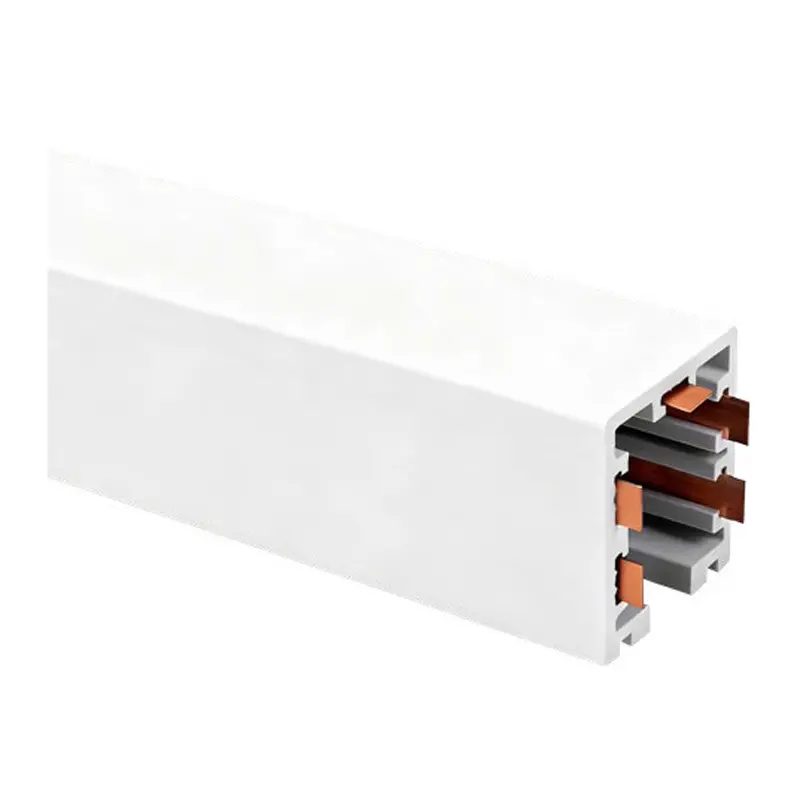
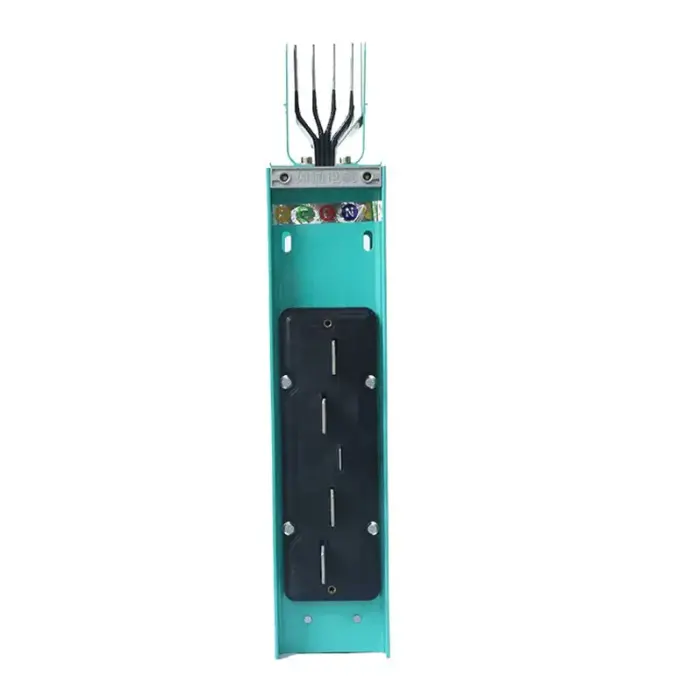
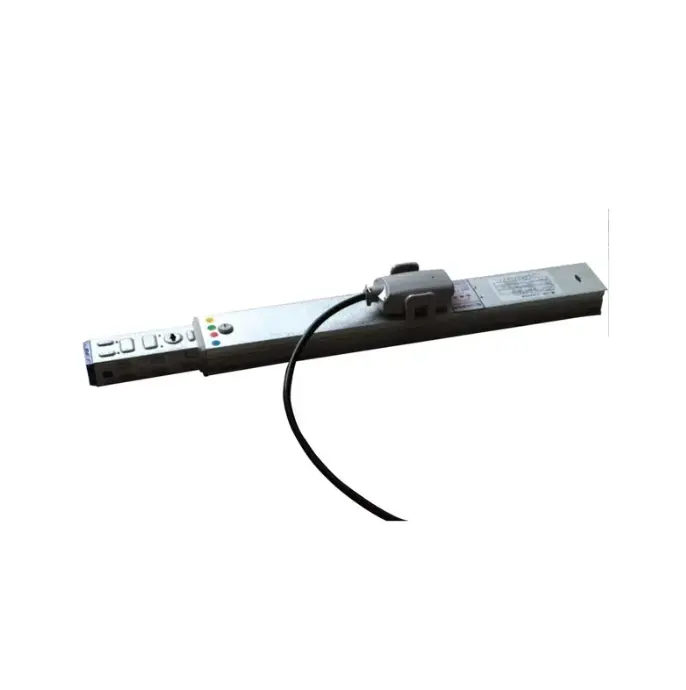
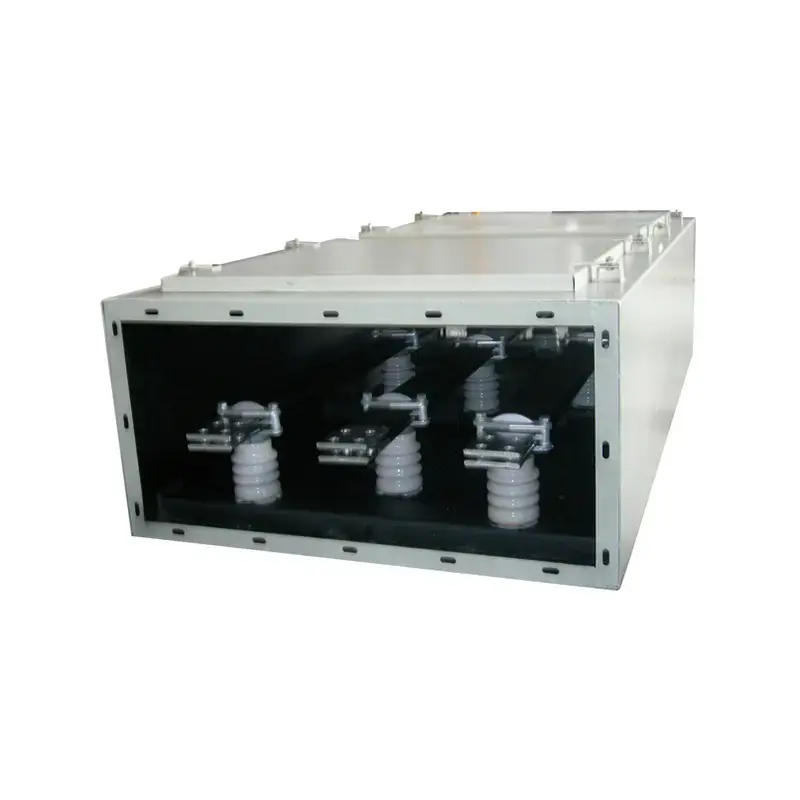 In the field of power transmission and distribution, high-voltage common box bus duct is a key component for efficiently transmitting large currents from substations to various load points. This innovative solution is particularly important for industrial plants and distributed substations in urban areas. High voltage common box bus ducts play a key role in enhancing energy transfer by being able to withstand high current loads and minimize resistive losses.
High Voltage Common Box Busway is designed to handle large current loads, making it ideal for industrial applications where large amounts of power need to be transmitted. Its rugged construction and advanced materials enable it to withstand the rigors of high-voltage transmission, ensuring reliable, efficient power distribution. This feature is especially valuable in industrial environments where uninterruptible power supplies are critical to operation.
One of the main advantages of high-voltaGe Bus Ducts is their ability to minimize power losses in the transmission system. This innovative solution features lower resistive losses and lower inductance and capacitance characteristics, helping to increase energy transfer efficiency. By reducing power losses, common box bus ducts help optimize the overall performance of the power system, resulting in improved energy utilization and cost savings.
In addition to its technical strength, the high-voltage common box busway also has a compact and space-saving design, which is very suitable for installation in different environments. Its smaller footprint and simplified configuration integrate seamlessly into existing power infrastructure, providing a versatile solution for enhanced energy transmission capabilities. This adaptability is particularly valuable in urban environments where space is limited and efficient use of available resources is required.
In summary, high-voltage Busbars represent a cutting-edge solution for optimizing energy transmission in industrial and urban environments. Capable of handling high current loads, minimizing power losses and offering a compact design, this innovative product is expected to play a key role in improving power distribution capabilities. By taking advantage of the advantages of high-voltage bus ducts, industrial and urban areas can improve their energy transmission efficiency and contribute to a more sustainable and resilient power infrastructure.