



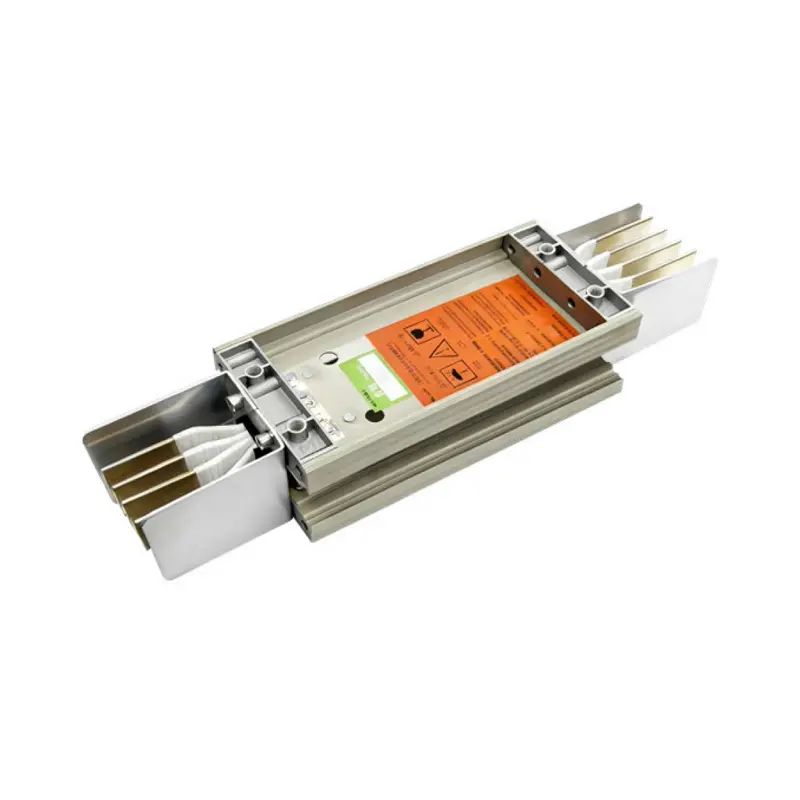
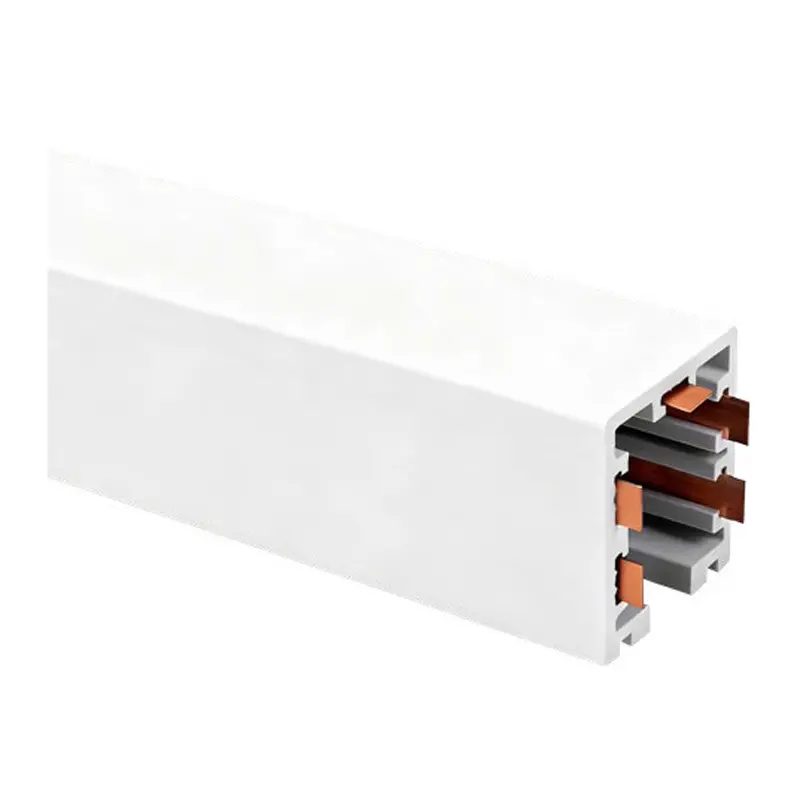


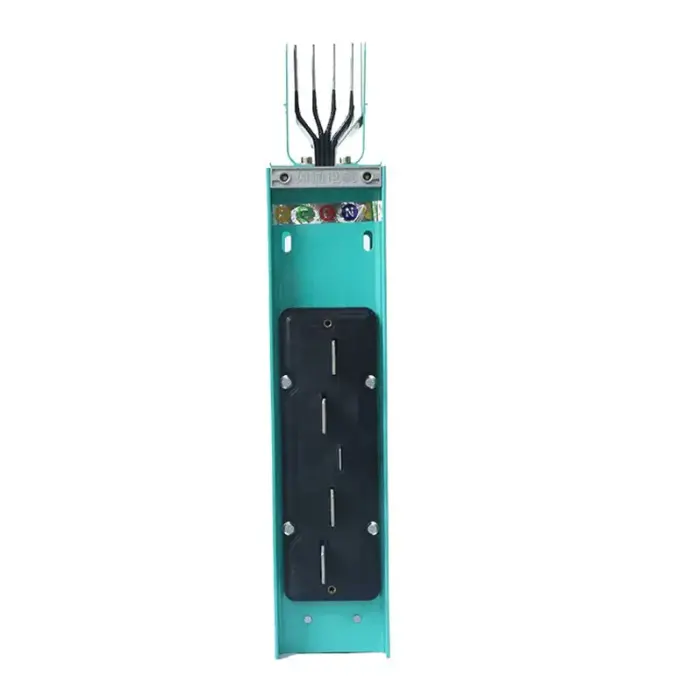
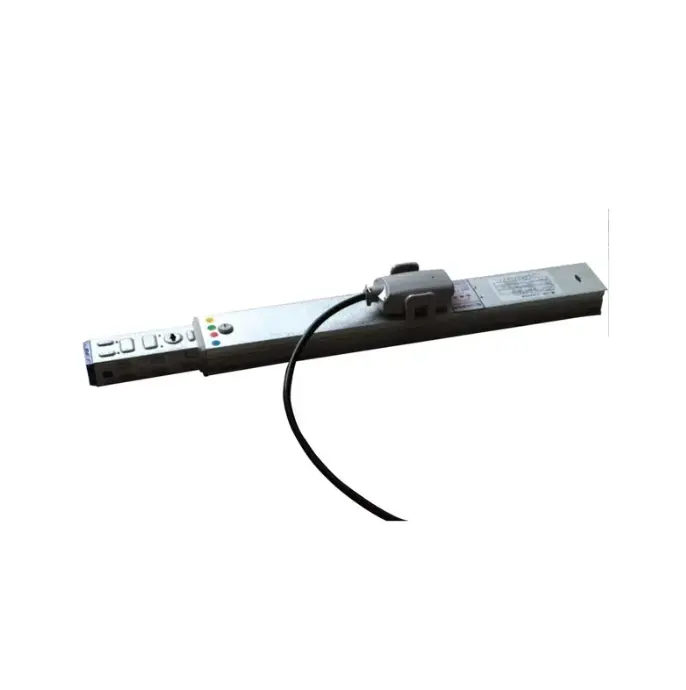
How much do you know about the classification of bus ducts?
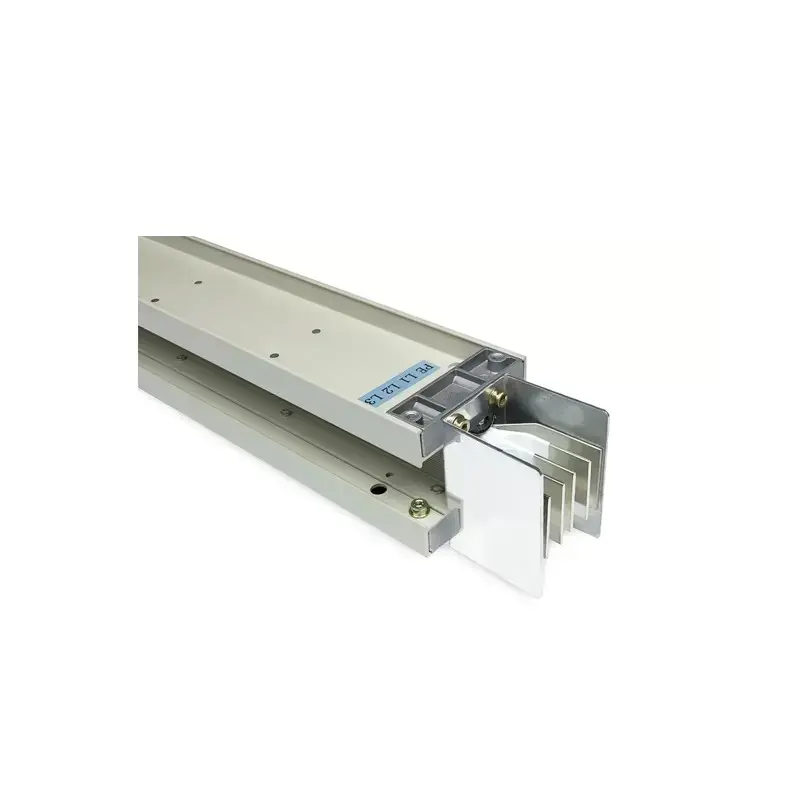
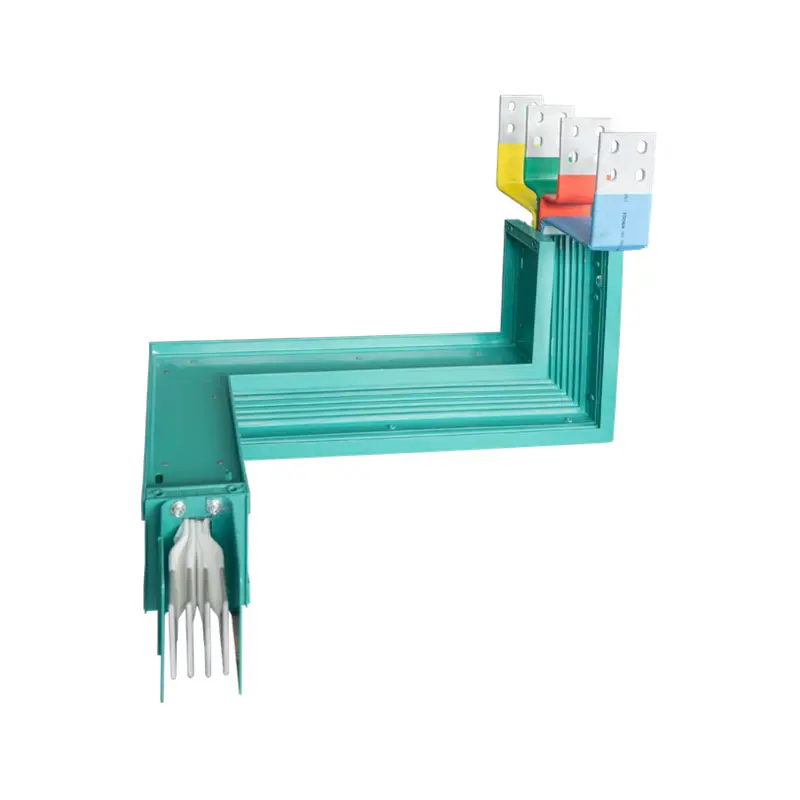
Bus duct is a new power circuit method developed and designed in the United States, called bus-way-system. It is a new electrical conductor produced by using copper or aluminum as an electrical conductor, supported by non-ene insulating points, and then assembled in a metal material slot. In Japan, it was specifically applied in 1954. Since then, bus ducts have gained momentum. Nowadays, power supply systems have become an essential wiring method in electrical equipment such as multi-story buildings and factories.
Due to the increasing demand for power engineering in various engineering buildings, factories, etc., the use of original power circuit wiring, that is, pipelines, is difficult to construct. When replacing the power distribution system, it is almost impossible to be simple, but if The use of bus ducts is easy to achieve the purpose and can also make the building more beautiful.
Modern multi-story buildings and large workshops require a large amount of electromagnetic energy and can handle strong currents of thousands of volts. ThE Busbar system is a good choice. The busbar system is a kind of power distribution equipment that can efficiently transport electric current. It is especially suitable for power distribution equipment with increasingly high economic rationality in buildings and large factories.
From the air type to the current composite insulated type, bus duct has gone through three generations.
First generation: air bus duct (BMC)
Since the mid-to-late 1950s, conductive strips have been supported inside the housing by insulating pads and insulated using gaseous substances. The distance between two colors is 50mm. Because the connectors in the middle of the busbar are connected by metal conductive soft connections, the humidity in the south is high, and the middle of the connector is easily oxidized, resulting in poor contact between the connector and the busbar, making the connector very easy to get hot, so it is very popular in the south. Apply less. Moreover, the connector has a large volume, the specifications of the horizontal busbar sections are inconsistent, and the appearance is not beautiful enough. The shell maintenance level is IP40~IP54.
Second generation: dense bus duct.
Since the late 1980s, conductive strips have been covered with insulating material and then screwed on both sides. Insulation material: polytetrafluoroethylene tape, operating temperature is 200 degrees. The disadvantage is that high temperature dissolves and causes deadly poisonous gases (octafluoroisobutylene and fluorophosgene). Polyethylene heat shrink tubing has a huge quality gap. Some manufacturers use cheap products,* *Measurement of insulation cannot be done to level B. The application effect of radiation cross-linked flame retardant winding (PER) is very good, with an operating temperature of 150°C, good moisture-proof performance, good ductility, and tight packaging. A unique busbar method formed in the evolution of the second generation busbar, that is, dense busbar gas power sockets. Because of changes in process technology, most of them have become dense busbar-dense power sockets, that is, overall dense busbar ducts.
Third generation: epoxy resin vulcanized insulated bus duct
The traditional dense busbar conductive bar itself has double-layer winding polyester film insulation. Even if the busbars are densely packed, there is still a certain amount of gas between the live and neutral lines, making it impossible to transmit and dissipate heat. Currently, new busbars use epoxy air flow insulation technology, parallel lines and various bends. There is no gap between the vulcanized rubber insulation layer and the heat conductor, creating a complete connection. Especially after the bus bars are densely packed, each phase of the tank body is densely packed, and the transmission characteristics can be fully utilized. Its heat dissipation performance is particularly good, its flame retardancy is good, its insulation high-temperature resistance level reaches H level (180 degrees C), and its moisture-proof performance is good. Even if it is immersed in water, it will not cause short circuit failure, and the insulation voltage resistance is more stable. At present, it has been widely used in European and American markets, almost replacing traditional polyester film insulation materials. Because of the economic benefits of safety, environmental protection, energy saving, and environmental protection, it is worthy of widespread marketing and promotion. At the same time, it can comply with global insulation technology and will form a new insulation technology Busway.