





Omparative Advantages of Busway Systems VS Cables
The design of electrical power supply systems must not only comply with industry standards and design codes, but also consider economic and safety factors while best meeting technical requirements. The selection of electrical equipment should be based on achieving the optimal configuration for the entire system, rather than being limited solely by the individual characteristics of each device. For instance, when choosing switchgear and transformers, the compatibility between devices should be considered treating them as an integrated whole rather than selecting them in isolation. Components should exhibit stable performance and strong adaptability, suitable not only for rated operating conditions but also capable of functioning in relatively harsh environments.
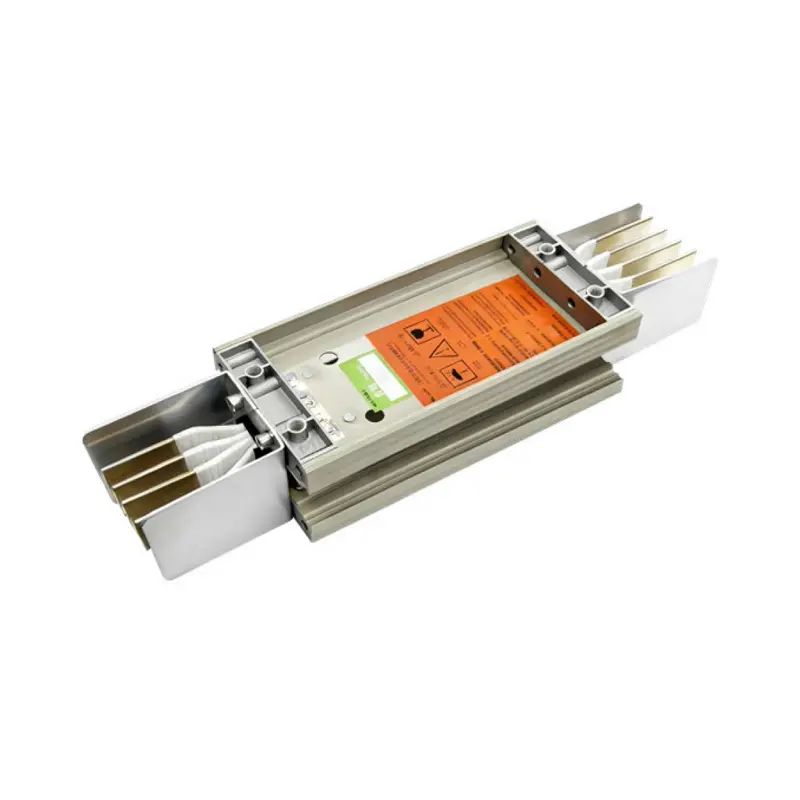
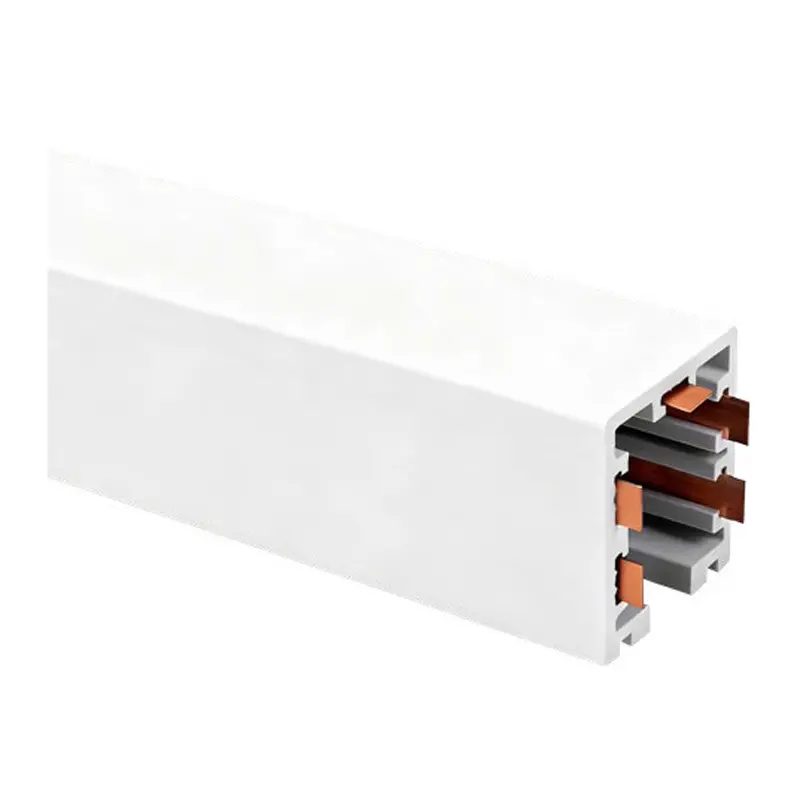
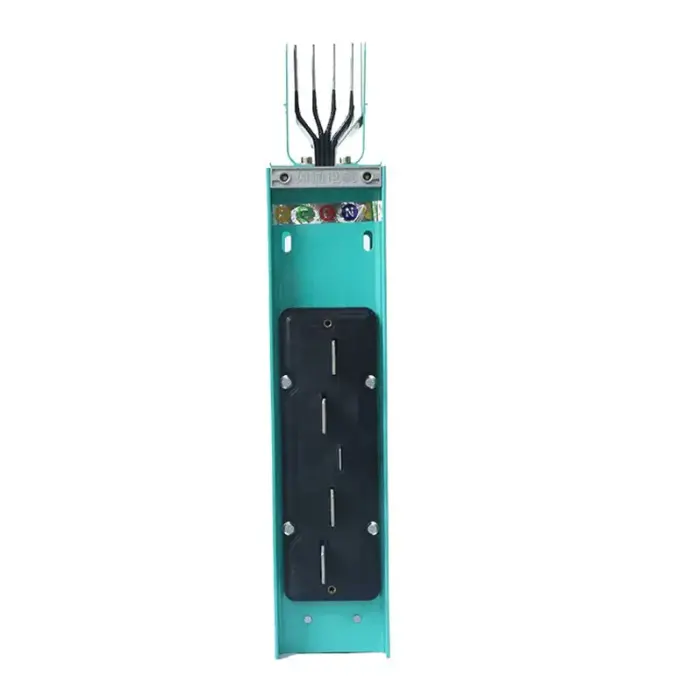
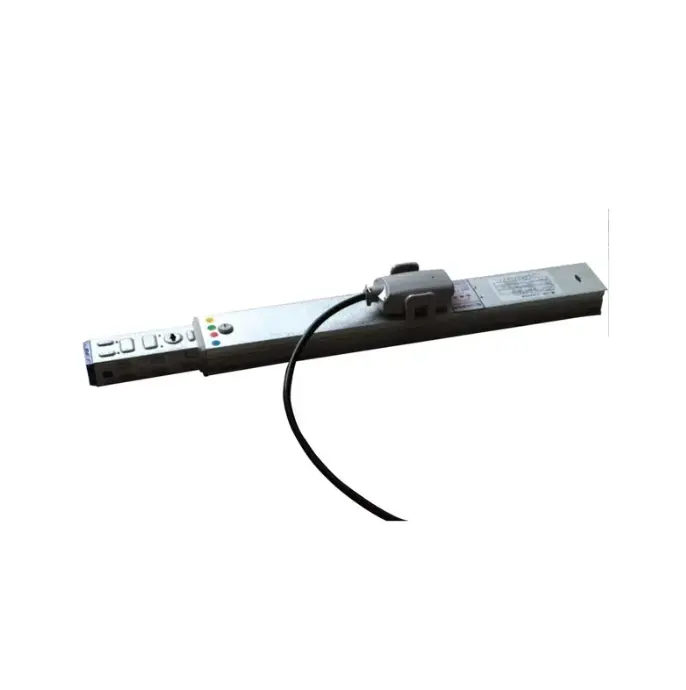
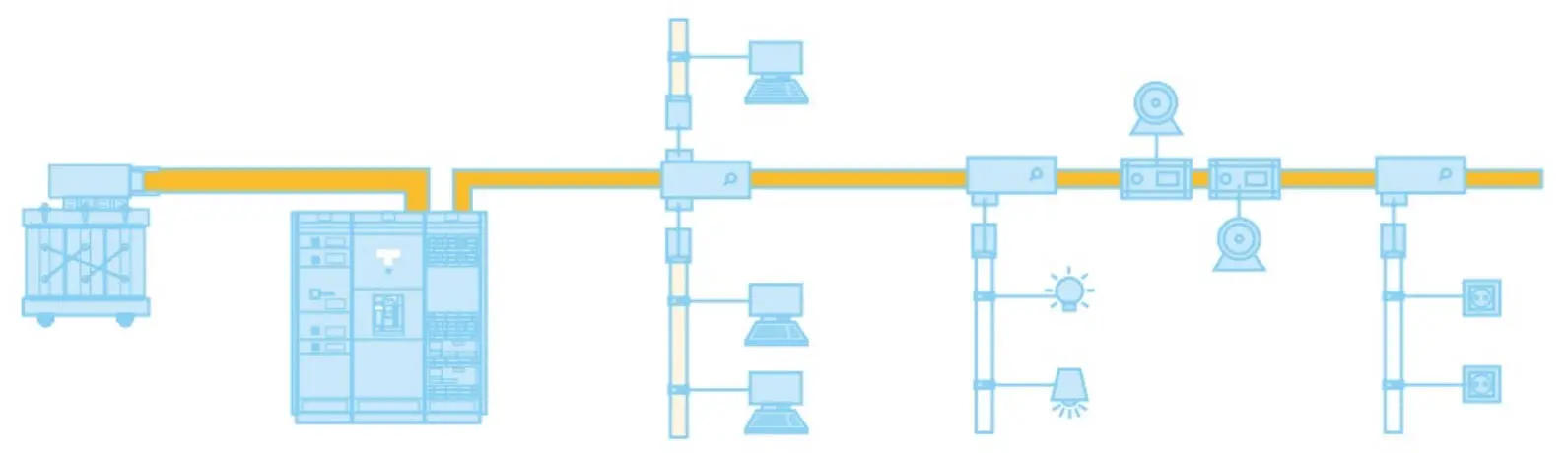
Power Distribution Solutions Using Busway
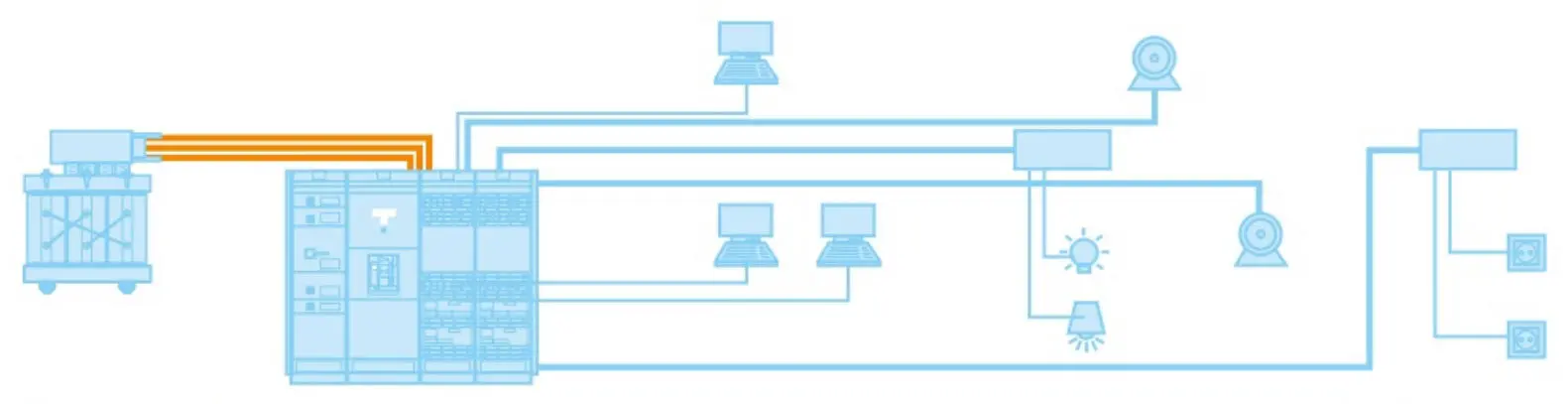
Power Distribution Solutions Using cable
| Features | Cable | |
| Operability | Extremely low fire load-Minimal risk of fire ignition lEC 60439-1/-2 0rIEC 61439-1/-6 | Operability dependent on installation quality |
| Fire Load | Extremely low fire load -Minimal risk of fire ignition | EXtremely high fire load-Prone to cause fires |
| Halogen-Free | Halogen-free construction - Busway units contain no halogens | Standard cables contain halogens -Halogen-free altematives are costly with long lead times |
| Flexible Modification, Expansion or Load Point Reconfiguration | Flexible reconfiguration-Tap-off units can be modified or repositioned under energized conditions without shutdown | Modifications require new installations-High expenses for new splice points, :clamping positions, and routing!significant downtime |
| Space Requirements | compact design with low space requirements Current carrying capacity unaffected by installation position | Extremely high space demand -Large bending radius, complex routing,and current clamping capacity affected by installation methods |
| Space Requirements for Low-Voltage Main Distribution Systems | Reduced space demand for LV main distribution-Decentralized arrangement of switches and protective devices in tap-off units | Substantial space requirements |
| Fault Resolution and Elimination | Clear fault localization and resolution Simple error elimination with switchgear positioned close to users | Complex installation with remote switchgear Time consuming fault resolution |
| Electromagnetic Susceptibility | Favorable conductor arrangement Low electromagnetic susceptibility | Stringent layout requirements -High electromagnetic susceptibility |
| Commissioning Time | Short commissioning time - High return on labor cost with added value | Lengthy commissioning time - High labor cost with low return; limited added value |
As a completely new power transmission system, the following aspects should be fully considered:
◆Building type, purpose, and form (e.g., high-rise buildings, single-story houses, and industrial plants)
◆Location of transformers and distribution cabinets
◆Regulations and guidelines from building management authorities
◆Guidelines from power supply departments
Typically, multiple design alternatives are developed whenever possible. Through comprehensive technical and commercial evaluation, the most suitable and cost-effective solution that best meets the user's needs is selected for final approval. When preparing budget proposals, priority consideration is given to the following:
◆Simple and clear design
◆Long service life
◆Strong practicality
◆Fire performance
◆Reusability of equipment after reassembly when building modifications occur
The issues mentioned above are frequently encountered in engineering projects. Busway Systems, due to their inherent characteristics, can fully meet these requirements, Consequently, in practical applications, busway systems have progressively replaced cables and become the preferred power distribution product among engineering professionals.