



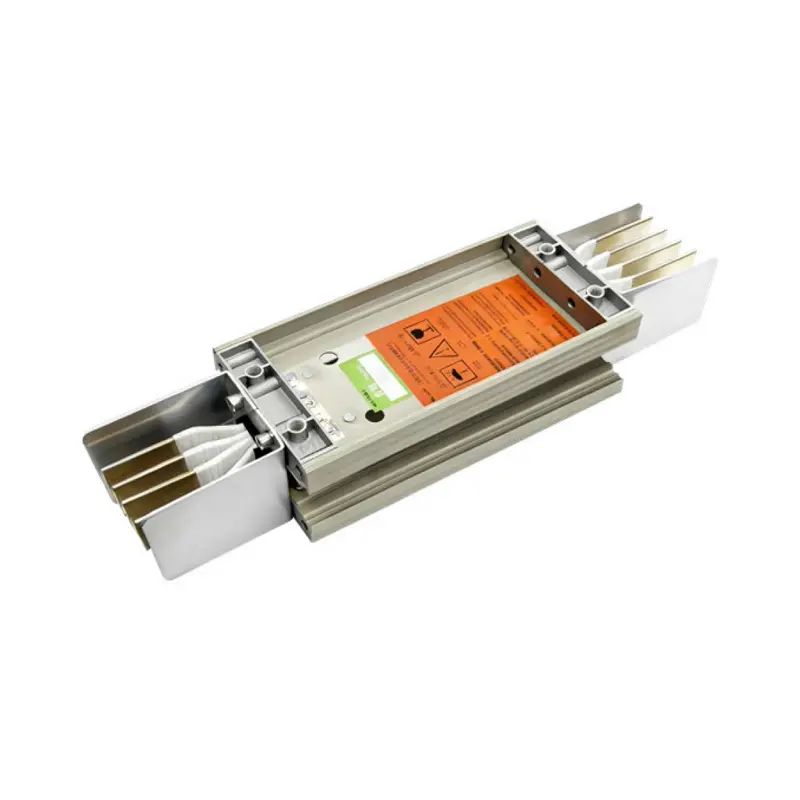
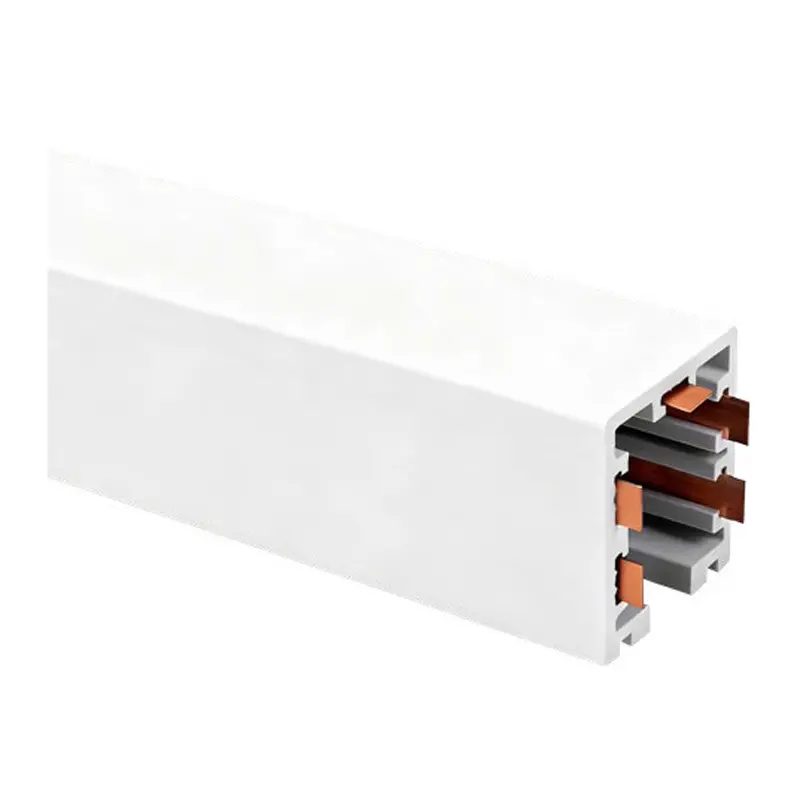


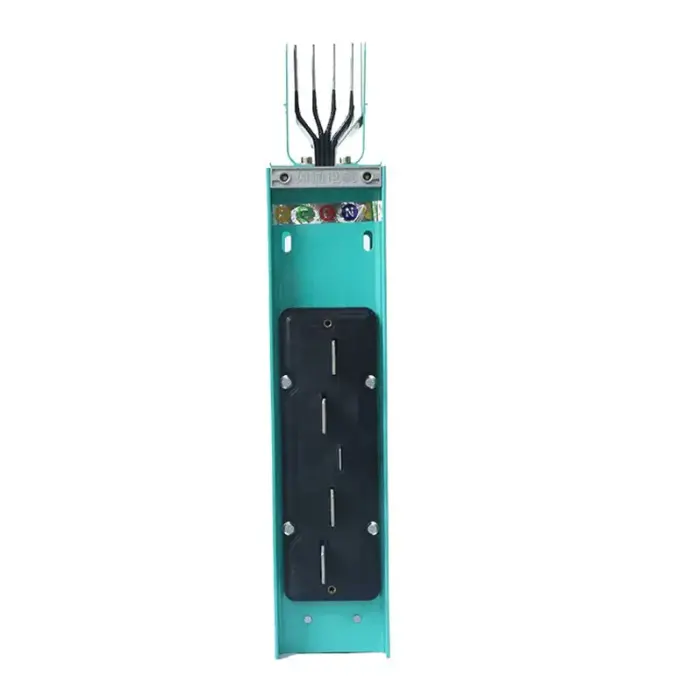
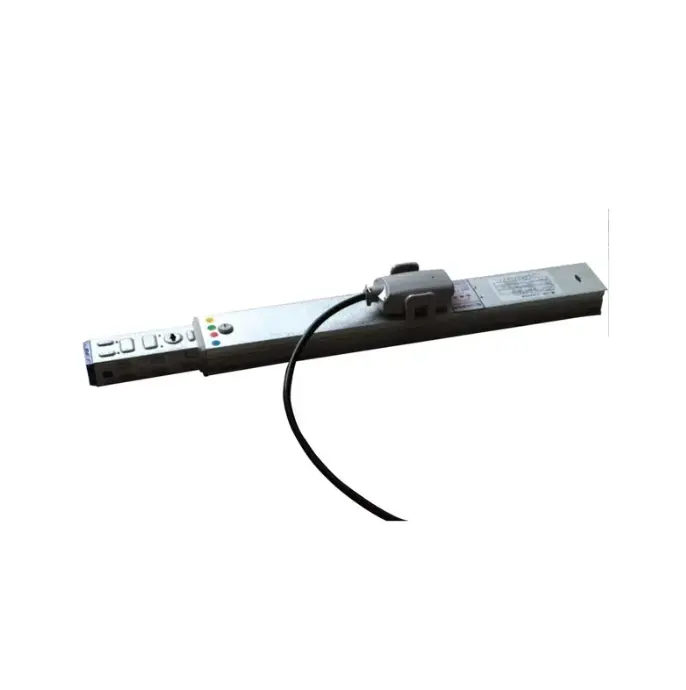
The development history of bus duct
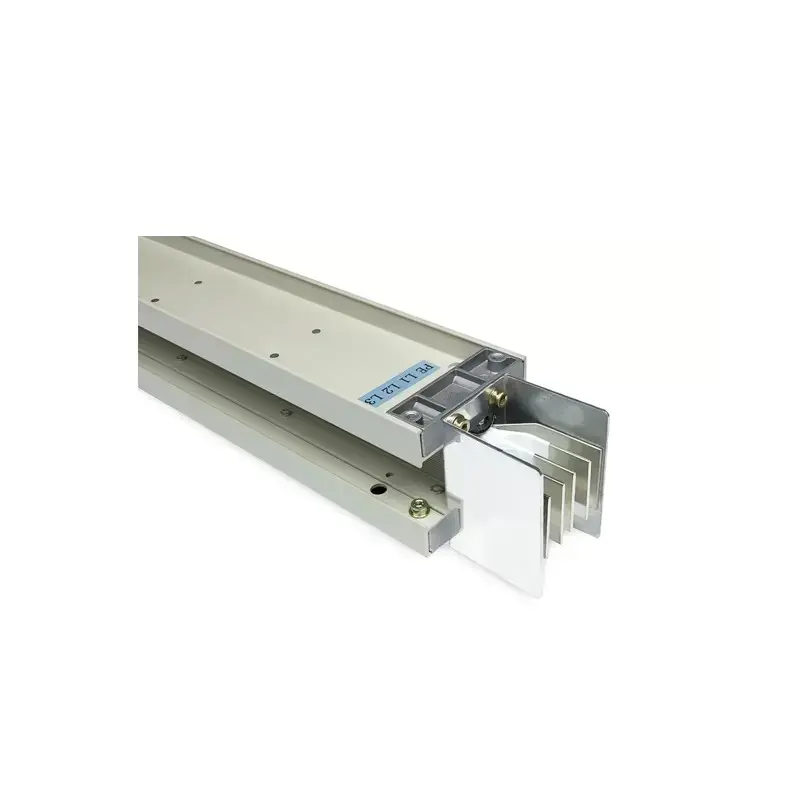
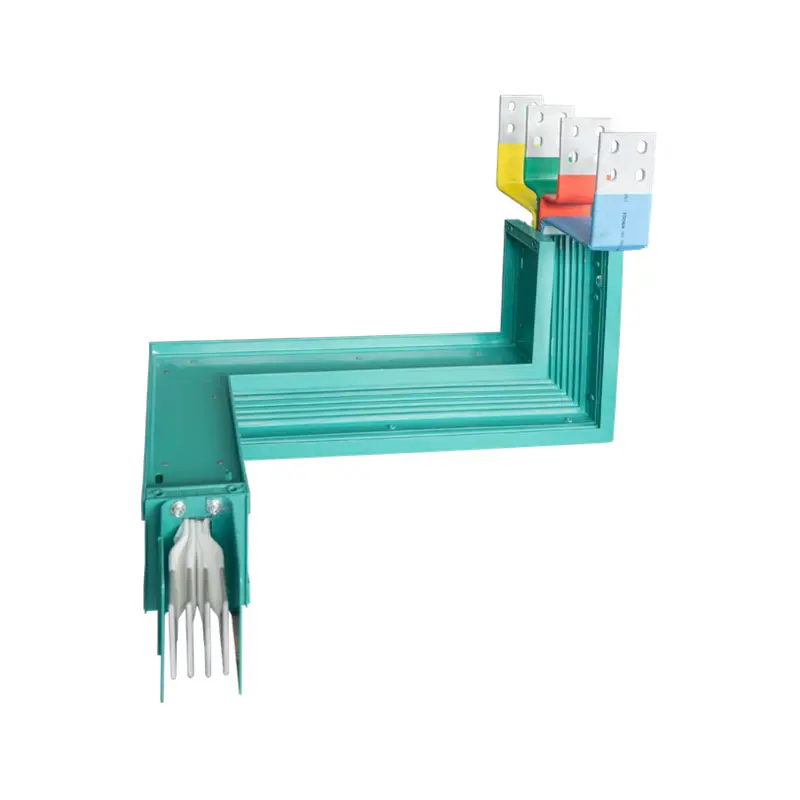
The bus duct is composed of copper and aluminum bus bars and is mainly used to distribute the output power of various components of the system. In the indoor low-voltage power transmission main line project, the bus duct, as a new type of power distribution equipment transmission line, has the advantages of large current transportation, is sturdy and durable (the national standard requires 8 to 15 years, and the bus duct is used for 50 years) and is safe and stable. , now gradually replacing traditional cables.
Very popular overseas, it is also widely used in power engineering in Hong Kong and Macau, and is common in many buildings and large workshops in China.
Did you know that bus ducts have experienced rapid development over many generations?
The first generation: air bus duct
The first generation is usually a gas bus duct, which was gradually completed and put into production in China from about 1981 to 1983. Represented by Beijing Baizhifang Airport Machinery Factory, the air bus duct manufactured uses copper rows to conduct electricity. The copper rows are separated by support points of insulating gaskets. The outer casing is closed with a metal material shell and is insulated with gas substances. The distance between the two colors is 50mm. The bus duct is **Prototyping technology in the development process of wire ducts for me.
Second generation: dense bus duct
Intensive bus duct occurred in the mid-1980s, represented by Zunyi Changzheng Electrical Control Equipment Factory. Intensive bus duct uses electrolytic copper bars as conductive raw materials, is produced and processed into sheet metal bending, and is bundled with polytetrafluoroethylene plastic film. After the flame-retardant PVC heat-shrinkable tube is replaced and fixed by heat shrinkage, the phase difference copper bars are clamped to each other without any gaps or spacing. The plugs and tee joints are separated, and the bus duct is called a dense bus duct.
Third generation: gas insulated bus duct
The third generation of air-insulated bus duct, also known as composite cognitive bus duct, appeared on the market in the early 1990s. It combines the structural characteristics of the first and second generation bus ducts, that is, the conductive Bus Bars are bundled with heat-resistant and pressure-resistant polytetrafluoroethylene plastic film, and then separated by phase difference copper bars, which has two-way insulation. effect.
In addition to the insulating layer of the conductive bar itself, the air bus duct also has a certain amount of gas material insulation between each live and neutral line. At present, some manufacturers use vulcanized rubber insulation technology on the elbow heads and MT-7-3 plastic casing insulation on the straight sections.
The advantage of this kind of bus duct is that it is cheap, high quality and safe to use.
The fourth generation: high-strength bus duct
High-strength bus duct was developed in the mid-1990s, with technology introduced from Europe and the United States. The conductive copper bars of the bus duct are bundled with polytetrafluoroethylene insulating plastic film, fixed with PVC heat shrink tubes, and rolled into a convex and concave wavy shape using a cold-rolled steel plate forming machine to insulate the phase difference copper bars. Fixed in the groove.
This kind of bus duct is characterized by large horizontal loading span and high assembly strength.
This is the development history of related bus ducts. Mastering the development history of bus ducts will help everyone have a better understanding of the product.