

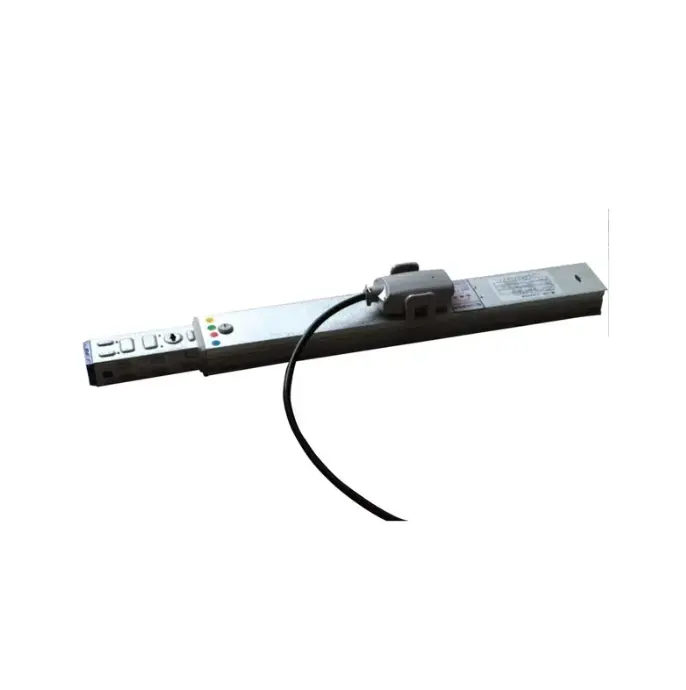
The Technical Features and Applications of Air Insulated Bus Duct
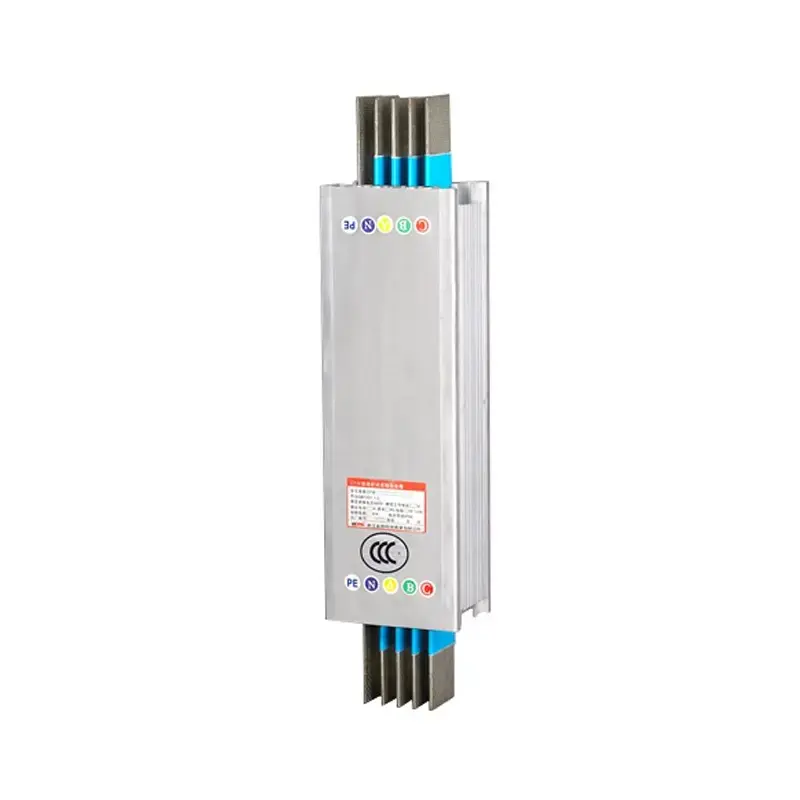
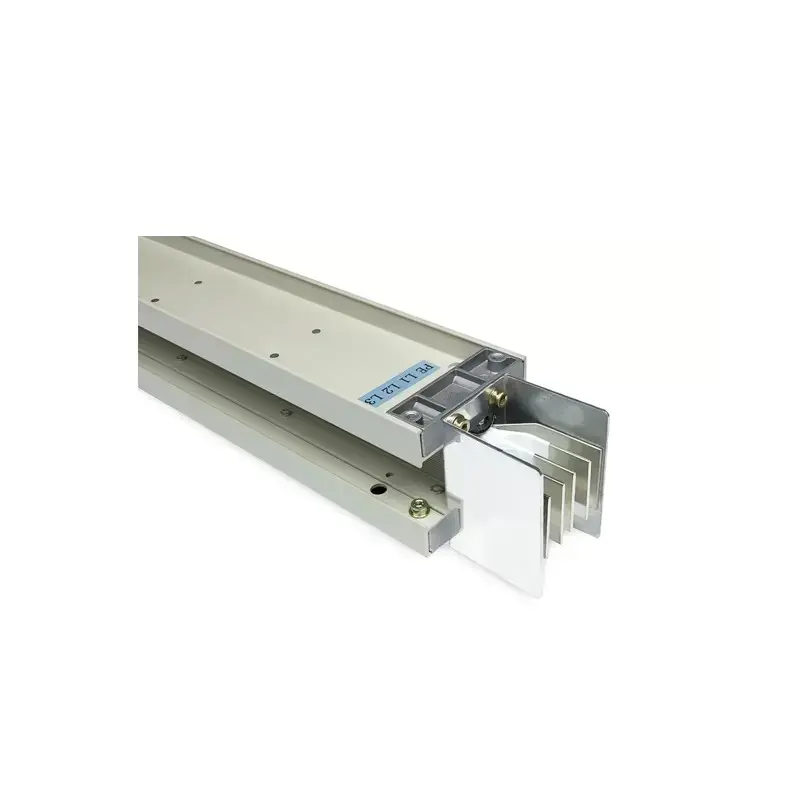
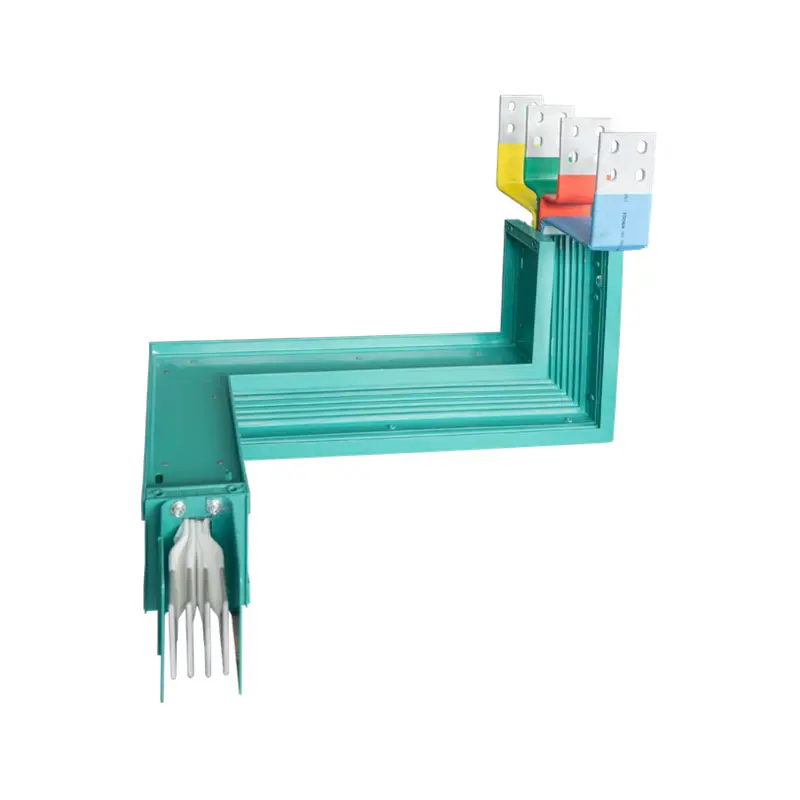
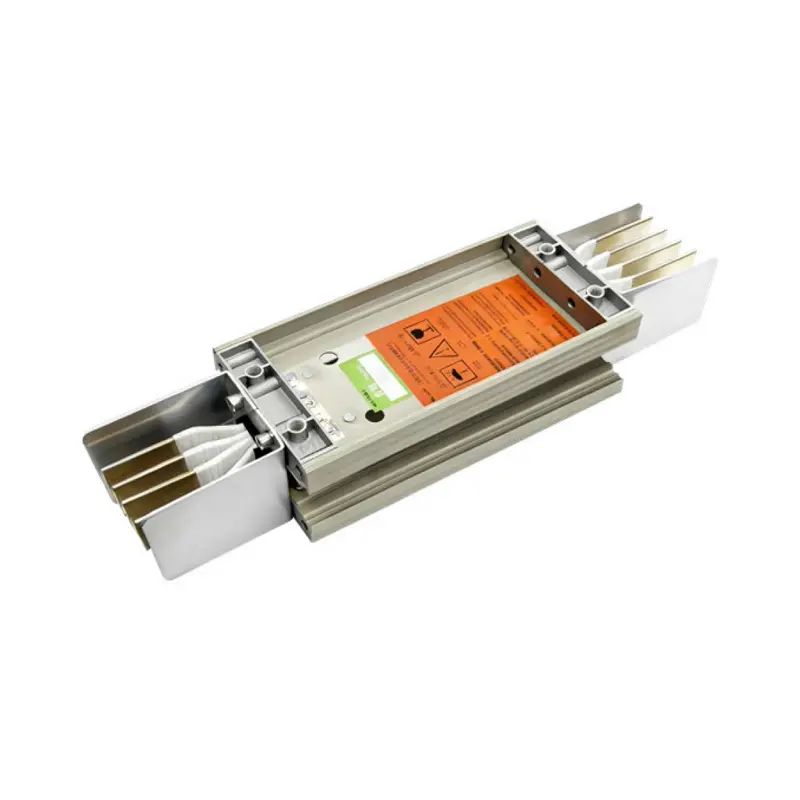
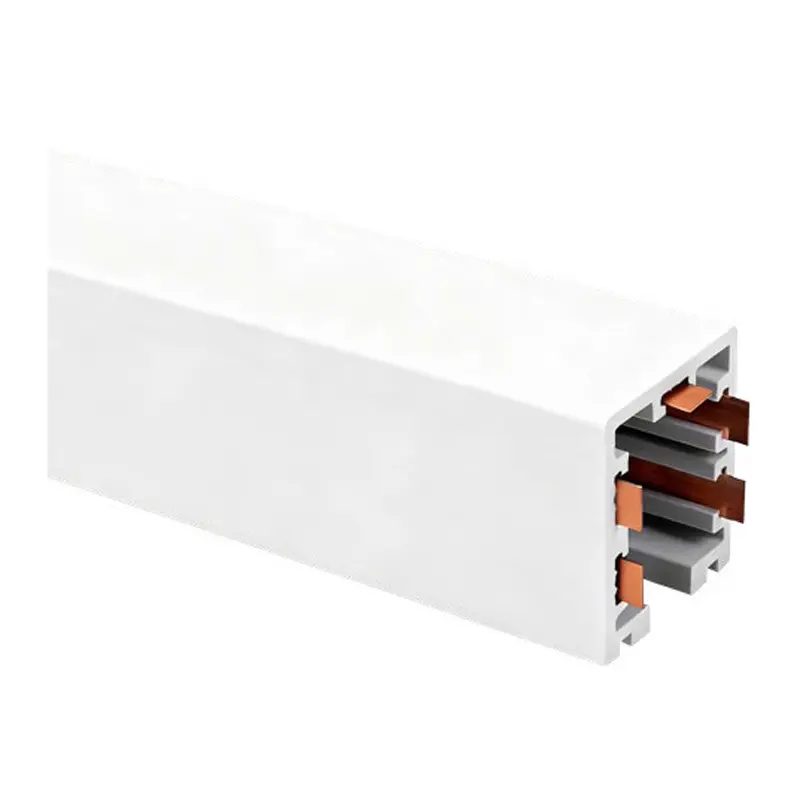
Inside the enclosure, high-conductivity materials such as copper or aluminum are precision-engineered to form low-impedance pathways for electric current. These conductors are strategically spaced and supported by insulating brackets to prevent phase-to-phase or phase-to-ground faults. The overall configuration ensures optimal heat dissipation while maintaining a small footprint compared to alternative solutions such as cable trays or liquid-cooled Busways.
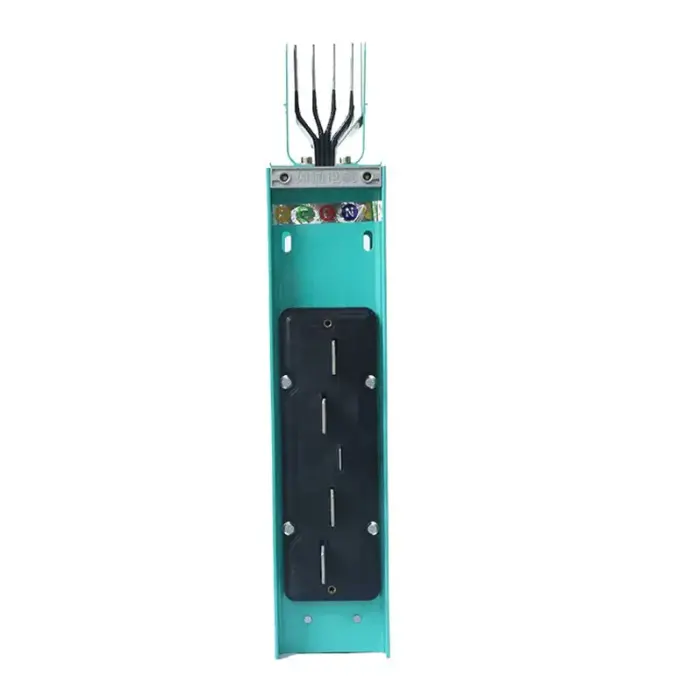
A key advantage of the Air Insulated Bus Duct is its enhanced safety profile. The fully enclosed design prevents accidental contact with live parts, reducing the risk of electric shock or short circuits. Moreover, the system is designed to withstand high short-circuit currents without deformation or failure. Its robust construction complies with international electrical standards, making it suitable for use in demanding environments such as power plants, data centers, and high-rise buildings.
In terms of energy efficiency, the air-insulated design minimizes power losses due to lower impedance and reduced skin effect. The conductors are often coated with silver or tin to improve surface conductivity and resist oxidation. The lightweight yet durable housing facilitates easier installation and requires less structural support than equivalent cable-based systems. This results in lower lifetime costs and reduced maintenance requirements.
The Air Insulated Bus Duct represents a reliable and sustainable alternative to traditional power distribution methods. Its combination of safety, efficiency, and adaptability makes it an ideal choice for modern electrical infrastructure. As industries continue to prioritize operational reliability and energy conservation, this system is poised to play an increasingly vital role in power transmission applications worldwide.