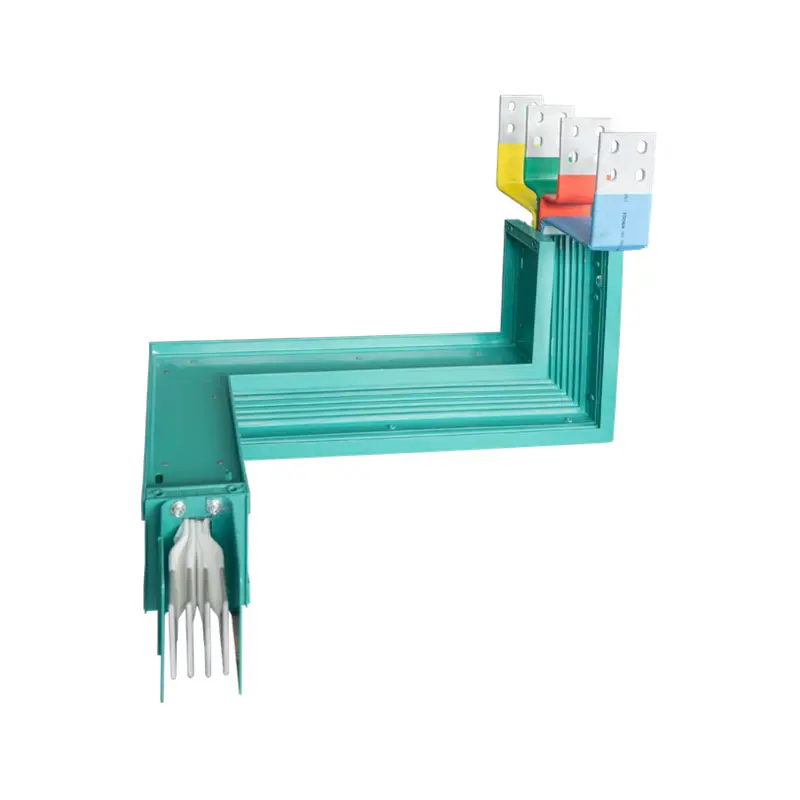
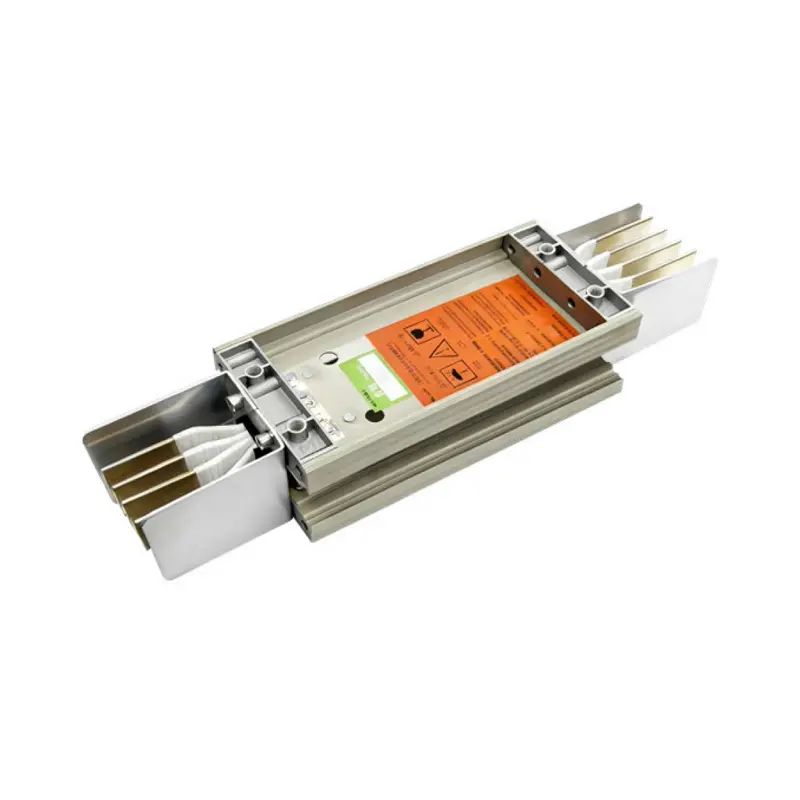
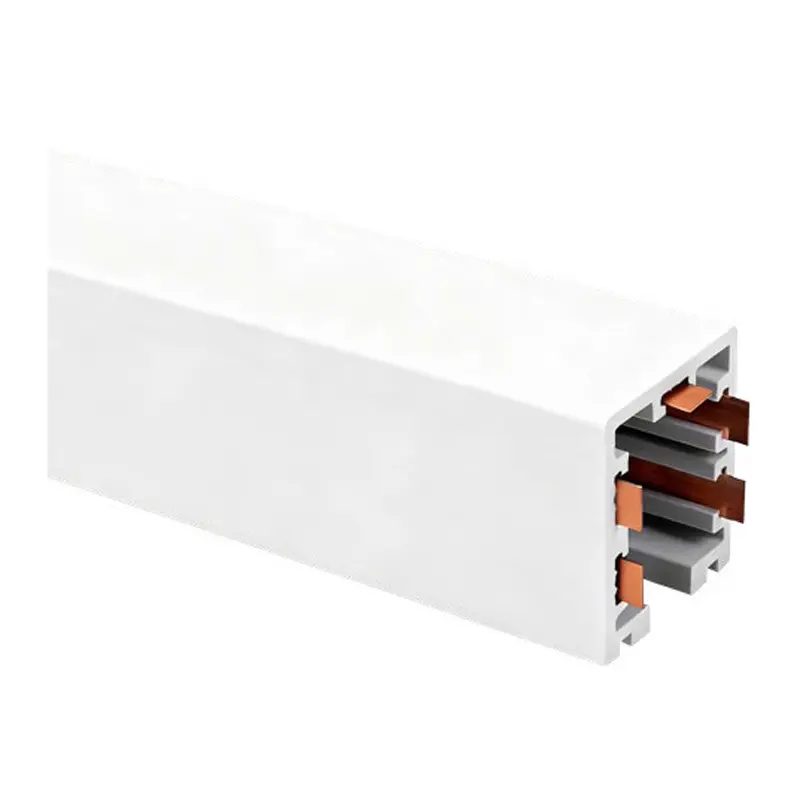


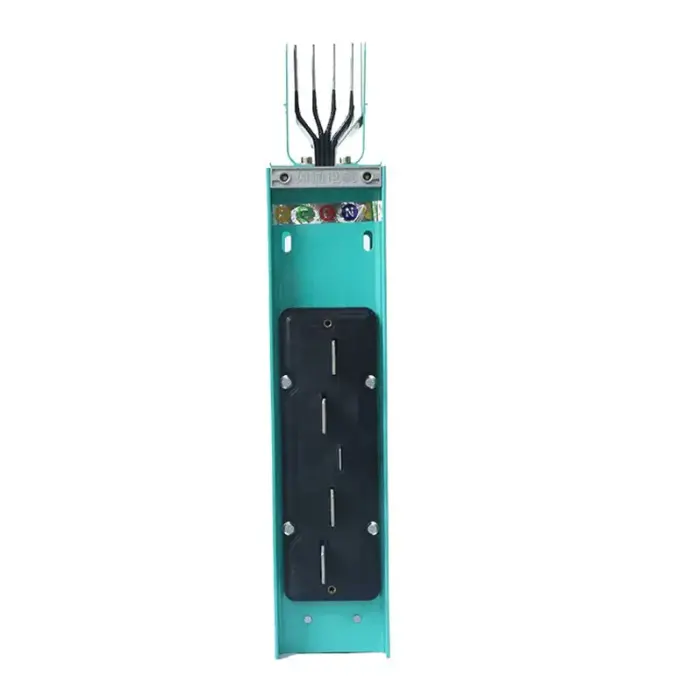
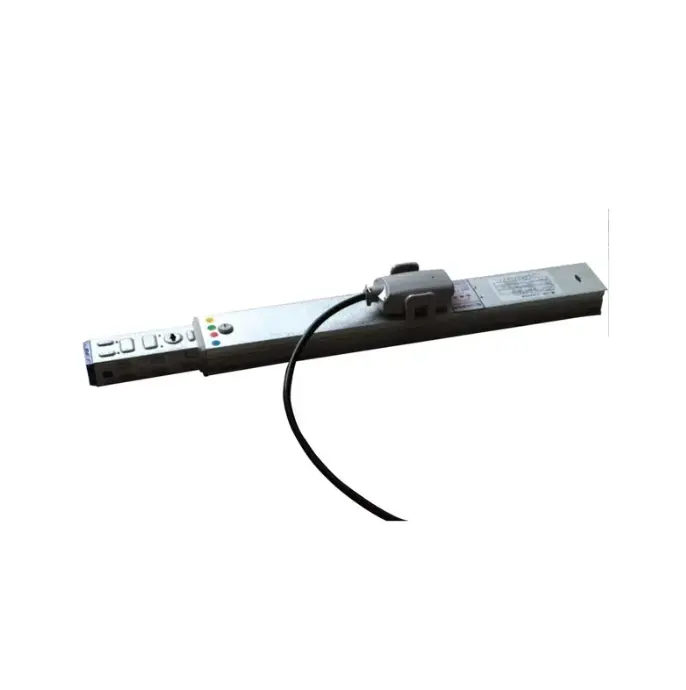
There is air medium in plug-in bus duct
Different temperature and humidity conditions have many differences in the damage of plug-in bus ducts, so in actual work, you should pay attention to the differences in these factors, so as to achieve the temperature resistance of the bus ducts. Since there is air medium between the Busbars and between the busbars and the shell, the heat dissipation performance of the busbars is greatly reduced, thus its carrying capacity.
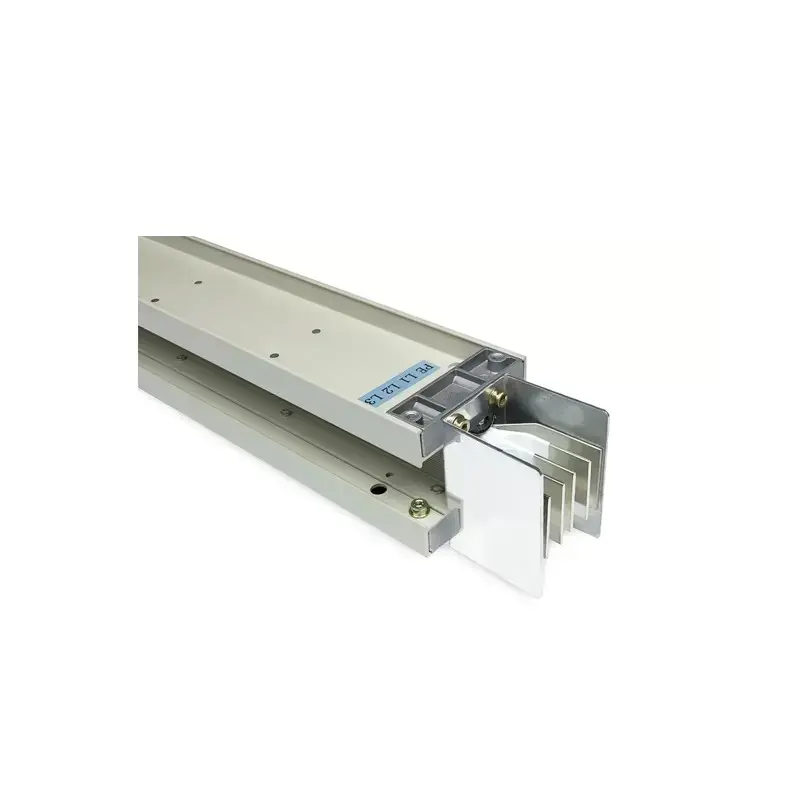
The bus ducts all have bare copper bars equipped with heat-dissipating shrink sleeves. Although this is good for reinforcing insulation and heat dissipation, it also increases the cost. The shell structure of the air-type bus duct is simple, which is more advantageous for multi-jack bus bars. Air-type bus ducts use busbars with a large width-to-thickness ratio, which are subject to dynamic stability restrictions, so they are mostly busbars with a small width-to-thickness ratio, so that they generate large amounts of heat and reduce heat dissipation. Its carrying capacity is limited, so it is suitable for small current busbars. When used for large currents, its cost performance will be greatly reduced. The air-type busbar has large inductive reactance and large voltage loss, so it is suitable for short-circuit lines with small current. When producing bus ducts, we also need to take these aspects into consideration, so that we can bring corresponding performance to our actual use.
The busbar busbar connection structure is simple, the manufacturing process is easy, and the installation is convenient. Due to the use of a busbar with a large width-to-thickness ratio, the heat dissipation surface of the busbar itself is increased, and is directly transmitted to the shell through the insulating material, using a strong convection heat dissipation method to make the heat dissipation conditions better. The inductive reactance of the busbars of the bus duct is very small, so its voltage loss is small. It is suitable for long-distance lines with high current and can increase the voltage level at the end of the line.