






What does closed bus duct mean?
There are two types of closed bus ducts. One type of closed bus duct has a large cable carrying capacity, but is not heat-resistant. It can only work at 200°C and is generally installed on routes that transport voltage. This type of bus duct is also called agglomerated closed bus duct. The other type of closed bus duct is heat-resistant and can maintain power transmission and distribution operations for 1.5 hours under an operating temperature of 700 to 1000°C. Its cable carrying capacity can reach 5000A. This The closed bus duct is called fireproof closed bus duct. The difference between a fire-proof closed bus duct and a collective closed bus duct lies in the shell part. The shell of the fire-proof closed bus duct is coated with a layer of fire-resistant paint, while the surface of the collective closed bus duct is electrostatically sprayed, leveled, and protected. The corrosion layer has strong adhesion. Therefore, when using bus ducts in the design of fire safety lines and EPS emergency power lines, fire-proof enclosed bus ducts are used.
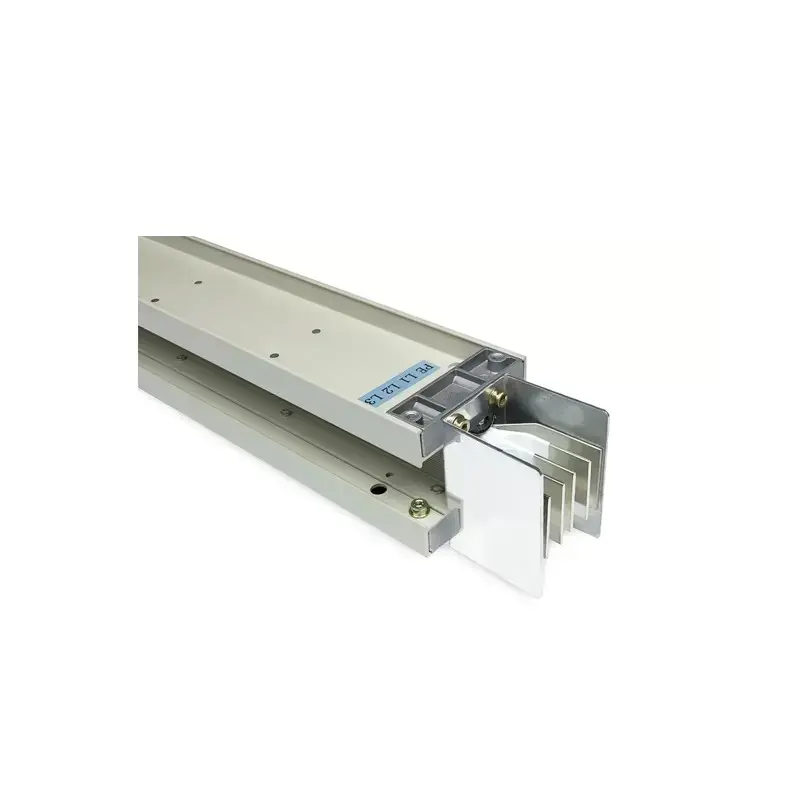
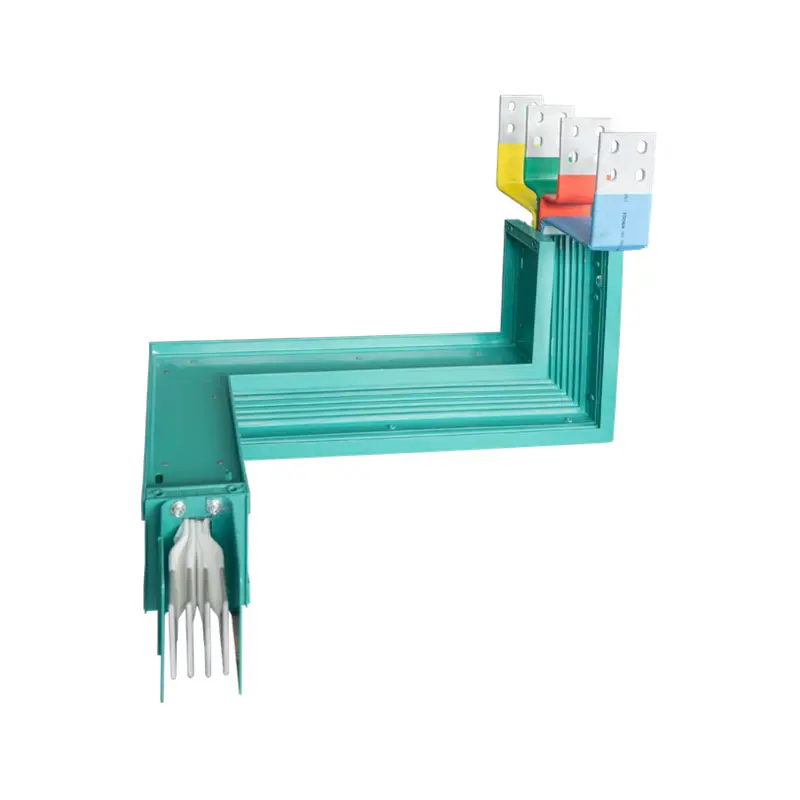
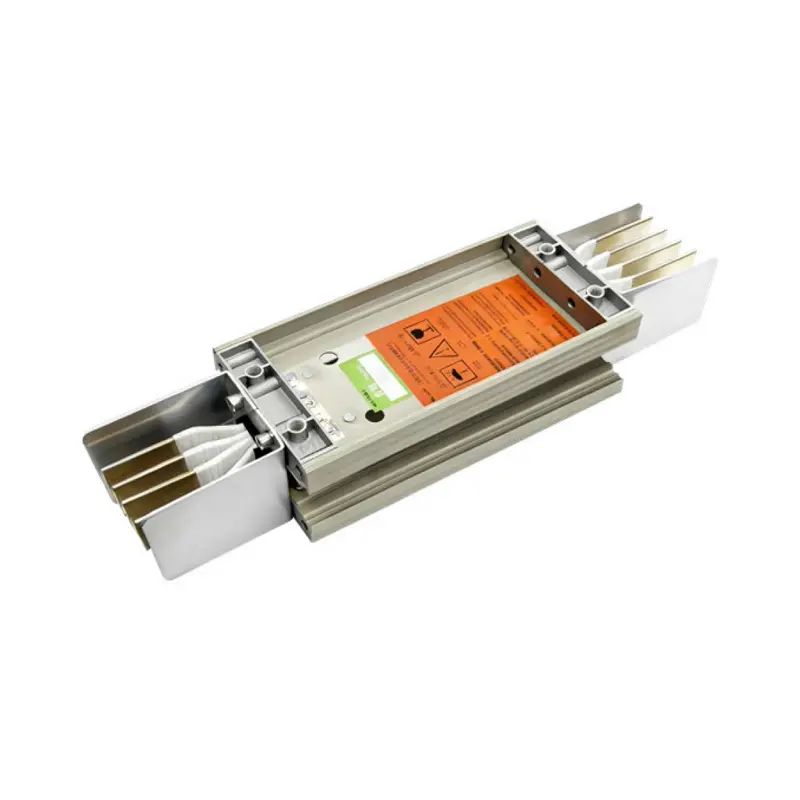
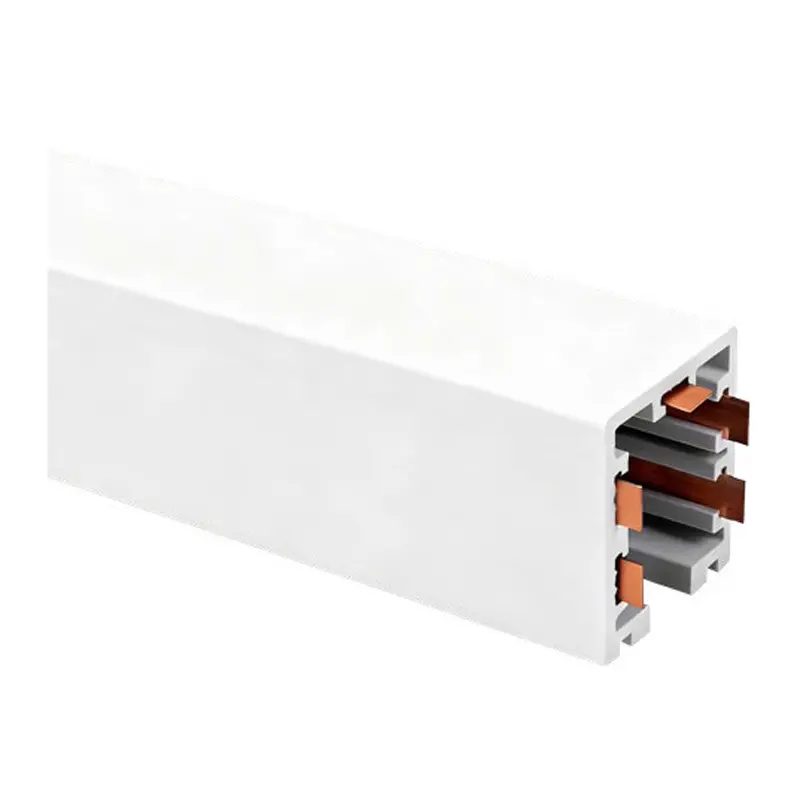
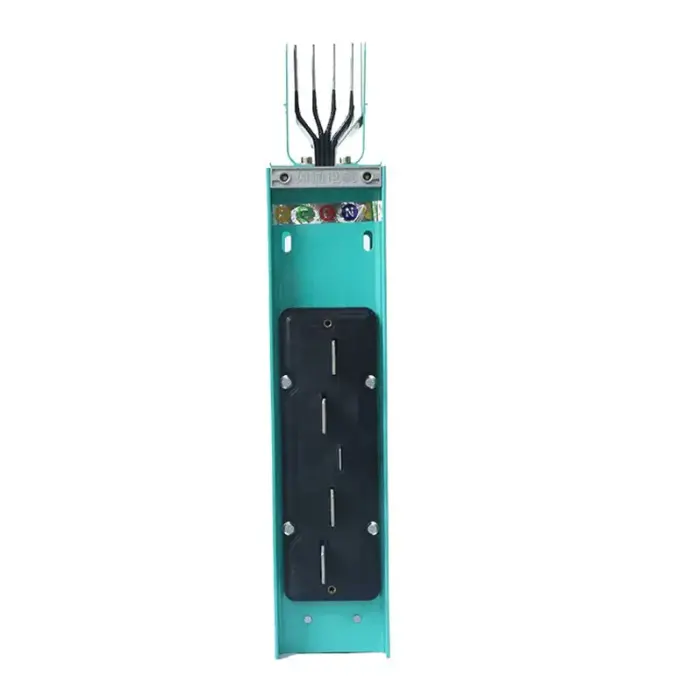
The closed bus duct is commonly known as the bus duct. In other words, the closed bus duct is the vest of the bus duct, or the bus duct is the vest of the closed bus duct. Closed bus duct and bus duct refer to the same thing. The closed bus duct is a Bus Duct System composed of metal sheets (thick steel plates or aluminum alloy plates) to protect the casing, conductive bars, insulation materials and related accessories. It can be made into a plug-in bus duct with plug-in wiring boxes every certain distance, or it can be made into an explosion-proof switch-type closed bus without a wiring box in the middle.
Different insulation materials: There is an appropriate gap between the ground copper bars of the air bus duct, that is, the insulation layer between the ground copper bars mainly depends on the air. However, the insulating layer material between the concentrated bus duct (also called a closed bus duct in many areas) is an organic insulating material.
Minhang oil-immersed transformer recycling closed bus duct is commonly known as bus duct, closed bus duct and bus duct refer to the same thing. The closed bus duct is a bus duct system composed of metal sheets (thick steel plates or aluminum alloy plates) to protect the casing, conductive bars, insulation materials and related accessories. It can be made into a plug-type closed Busbar with plug-in wiring boxes at every certain distance, or it can be made into an explosion-proof switch-type closed busbar without a wiring box in the middle. In the power supply system of multi-story buildings , The main line of the power supply system plays a very important role. It is like the aorta in the body. Once it is blocked, it will have important consequences. Therefore, manufacturing, engineering and research institutions have been making every effort to improve the reliability of the main line of the power supply system, in order to create new materials that are easy to install and maintain, are of high quality and low price, and have stable performance.
What is a clustered bus duct? Bus ducts are enclosed metal devices made of copper and Aluminum Bus Ducts that are used to distribute system components and distribute power. Bus duct is a high-efficiency transformer equipment, suitable for economic development in multi-story buildings and large and medium-sized factories, and is a fair and equitable power distribution equipment. Due to the rapid increase in power consumption in various fields, traditional cables as transmission conductors can no longer meet the requirements of large-current transmission and distribution systems. The parallel use of multiple cables brings difficulties to on-site installation and construction connections. As a new type of power distribution line, bus duct adopts new technology and new technology, which greatly reduces the loop resistance and temperature rise at the contacts between both sides of the bus duct and the branch port. The use of high-quality insulation materials can improve safety and stability.