


What is the difference between common box busbar and dense busway?
With the rapid economic development and the acceleration of industrialization and urbanization, society's demand for electricity is getting higher and higher. Busbar applications that are suitable for large current transmission are born. Various busbar types are successively used in power systems, such as common box Busbars, dense busbars, etc. Type bus duct, tubularbus duct, etc. Do you know the difference between common box bus and dense bus duct? Today I will take you to analyze it!
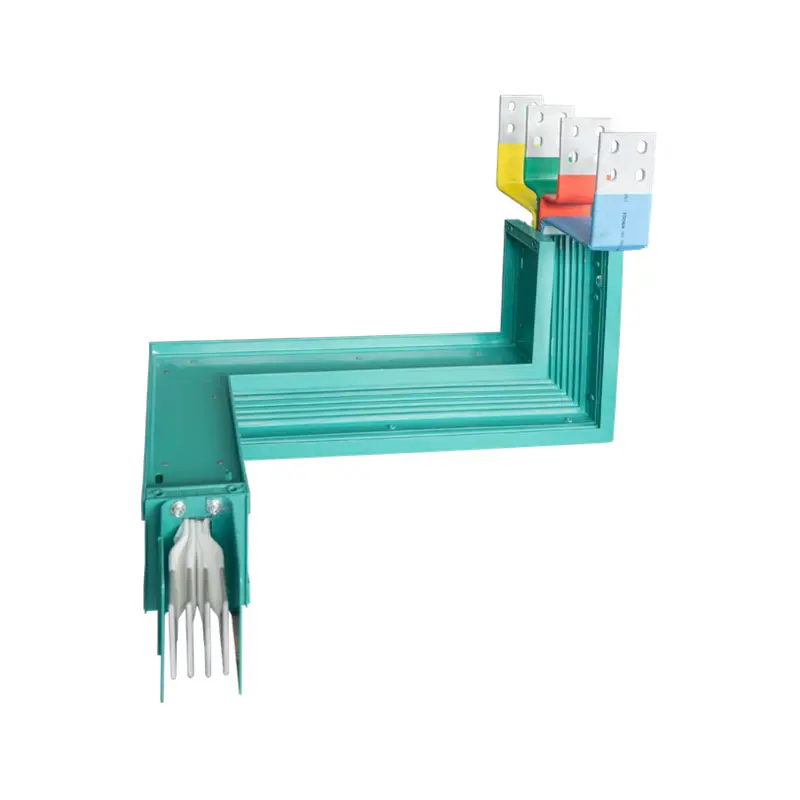
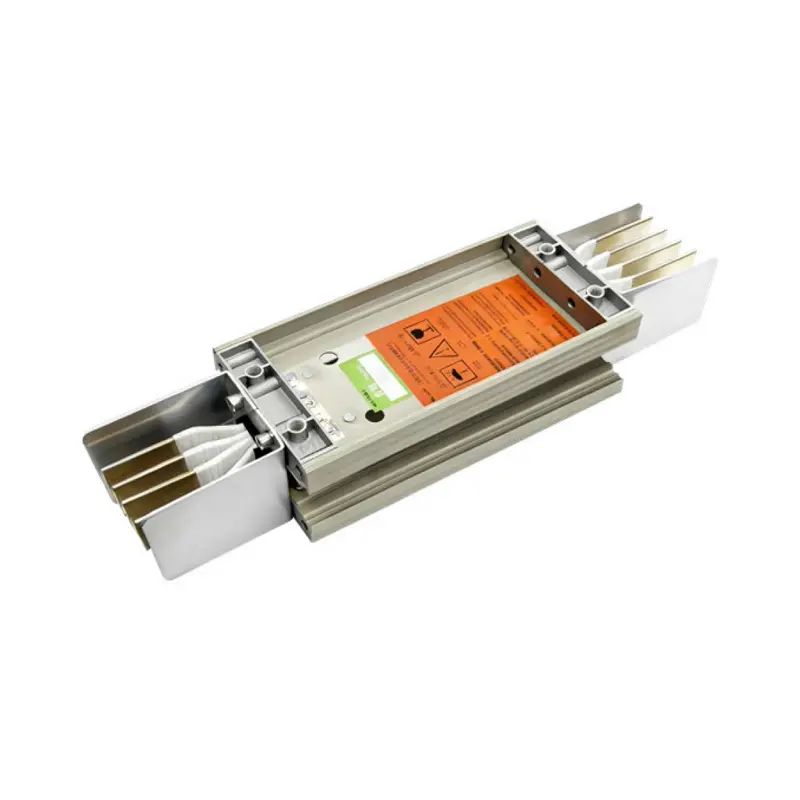
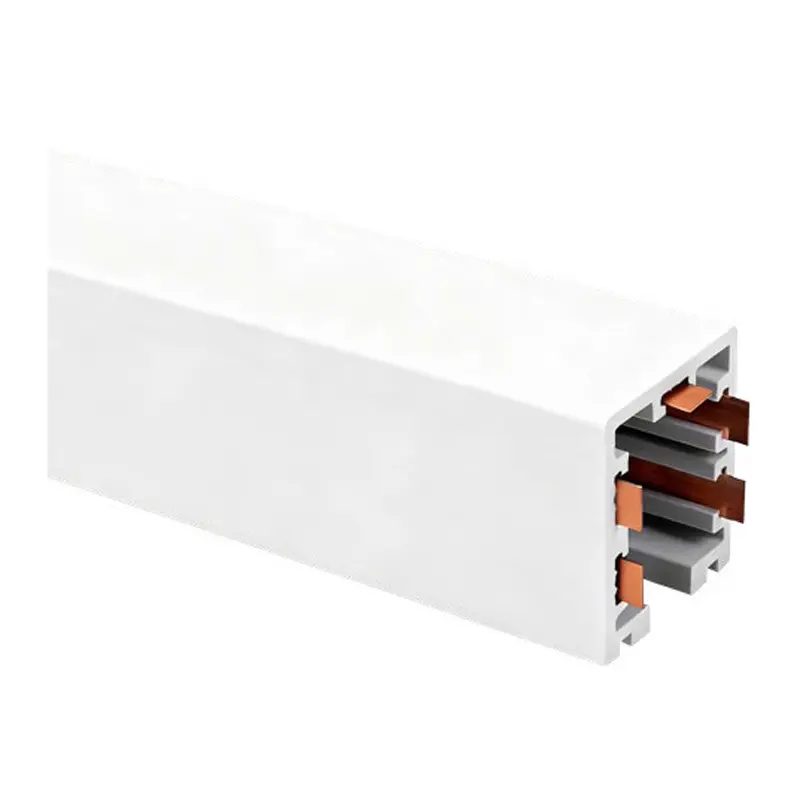
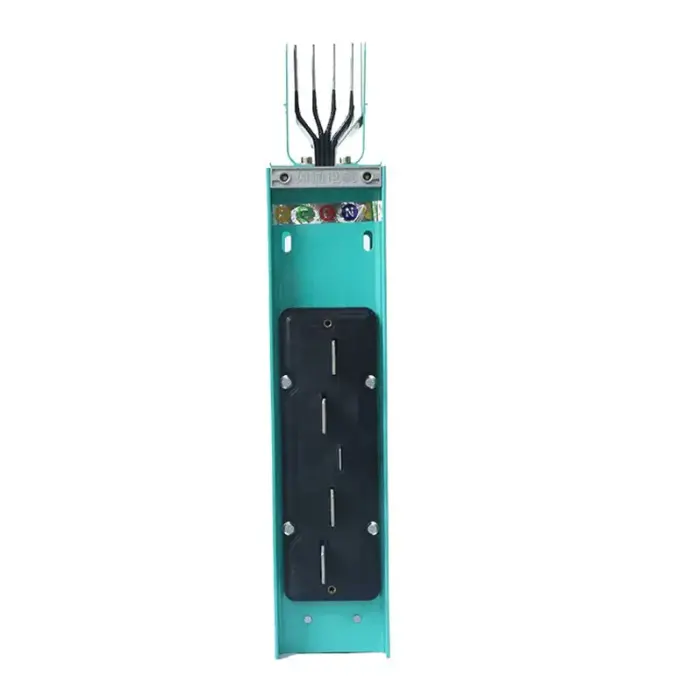
Common box busbar: It is a power transmission device in which multiple pieces of standard aluminum busbars (copper busbars) are installed on pillar-type insulators, and a cover box is made of external metal (usually aluminum) thin plates to protect the multi-phase conductors. Its installation can be suspended or supported. The outdoor installation part mostly adopts the support type, and uses channel steel to make bracket support. Indoors, a combination of suspension and wall laying is generally used. The connection between each section of busbar is bolted, the shell is connected by flange, and the flanges are sealed with rubber gaskets. Common box busbars are mainly used for connections between factory circuits, substations, small hydropower stations, generators and transformers. They can provide current levels up to 4000A and voltage levels of 10KV. They have a unique circular structure and a higher protection level than traditional common box busbars.
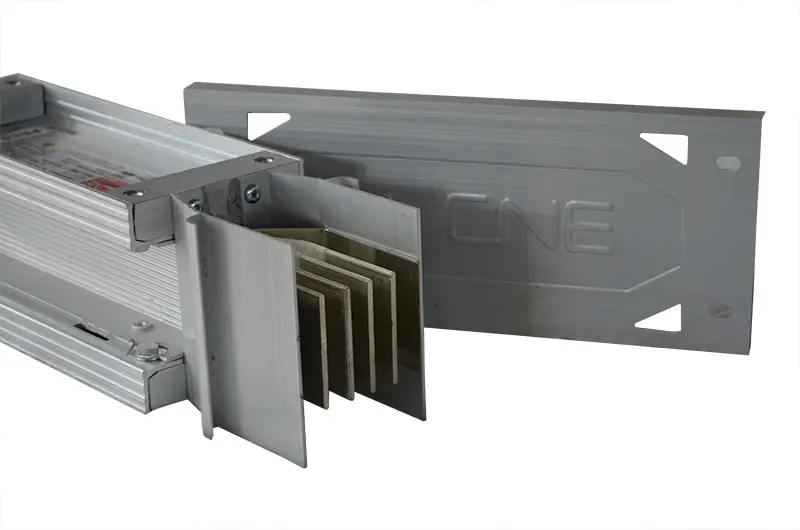
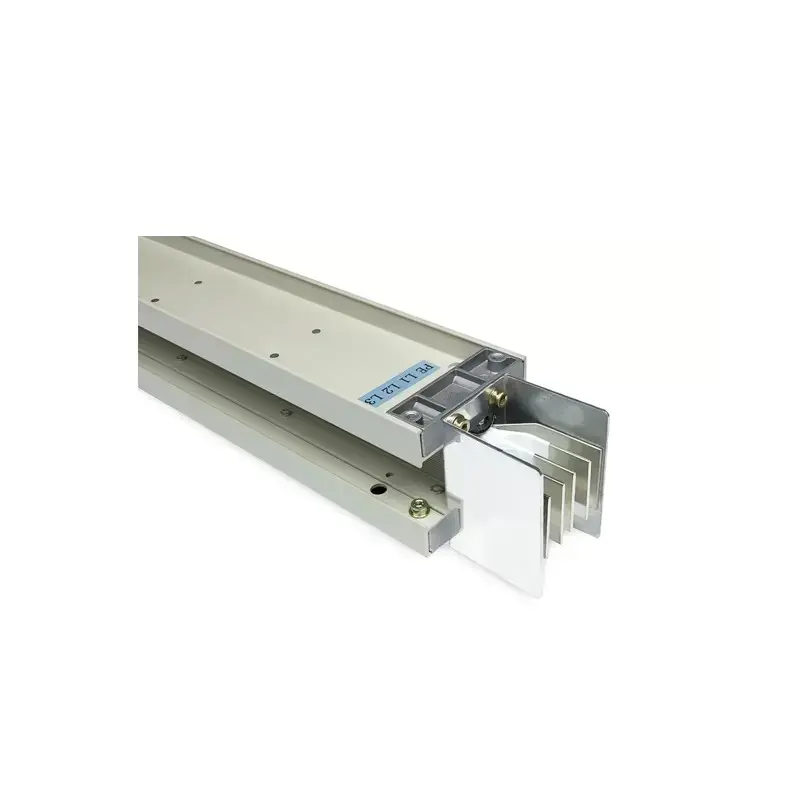
Intensive bus duct: It can directly dissipate heat through the shell, has high heat dissipation efficiency, and the protection level can reach IP66. It is dustproof, waterproof, and has good heat resistance. It can be used in heavily polluted working environments, such as chemical industry, steel, wood processing and other industries. , high dynamic stability, can withstand high short-circuit current, high node and dielectric strength, small space requirements, and compact structure.