





What is the difference between intensive bus duct and closed bus duct?
Intensive bus duct is a closed bus duct. There are several generations of Busbars at this stage. The first generation is called bus bridge, and the second generation is called bus duct. All bus ducts are closed, including intensive bus ducts, air bus ducts, fire-proof safety bus ducts, fire-proof bus ducts, cast bus ducts, etc.
Dense bus duct, also known as closed bus duct, is a closed bus duct, but closed bus duct is not only dense bus duct, such as gas bus duct, it is also closed bus duct. There are many types of closed bus ducts, mainly dense closed bus ducts and gas closed bus ducts. They are all closed bus ducts because they keep the conductors inside and protect them from the outside. There must be some minor differences. In fact, you can find a bus duct manufacturer for more professional consultation.
From the above we know that the product range of closed bus duct is wider, including dense bus duct, which is just a closed bus duct.
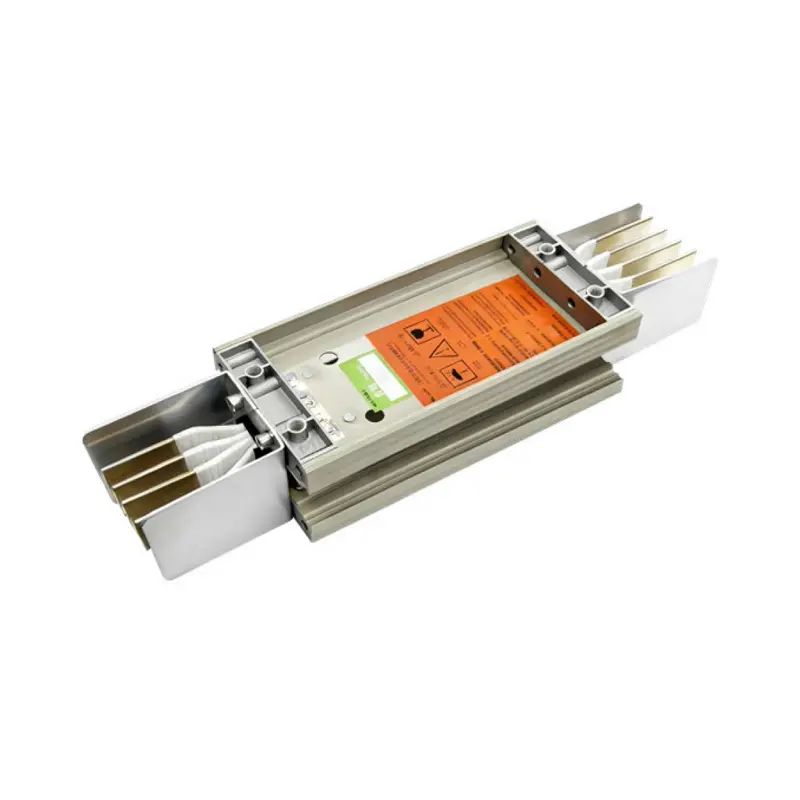
The intensive bus duct is a kind of bus duct. Both are closed busbars, but the dense busbar processing technology is relatively tight. The dense busbar is a formed busbar already produced by the manufacturer and generally only needs to be installed.
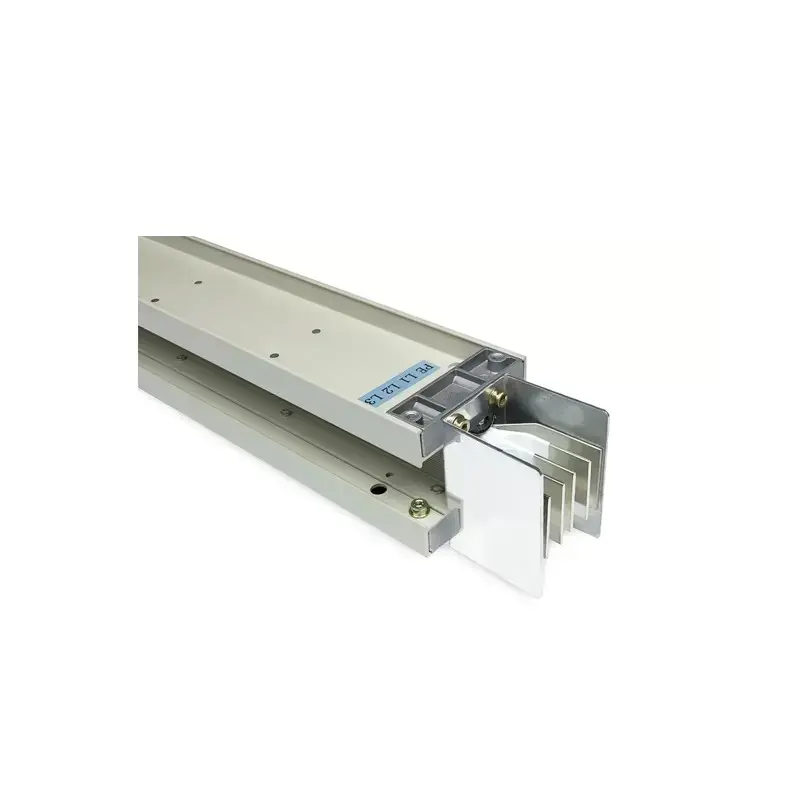
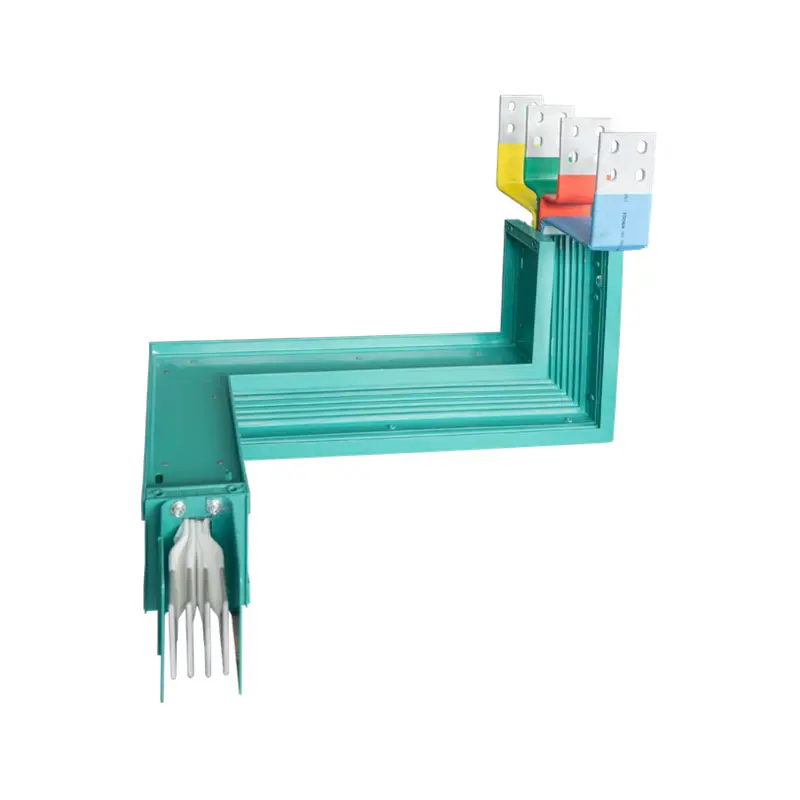
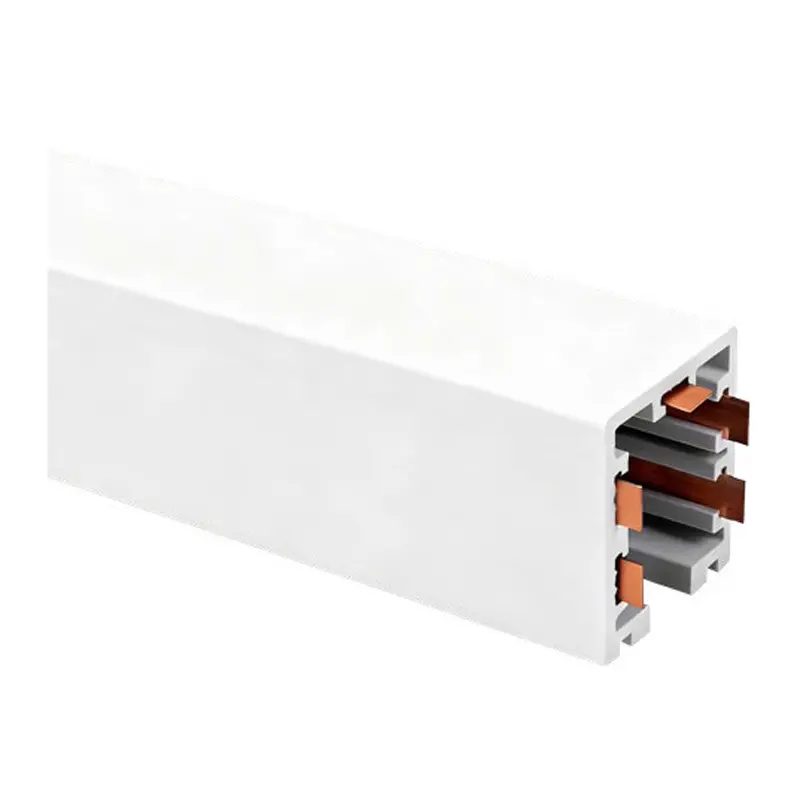
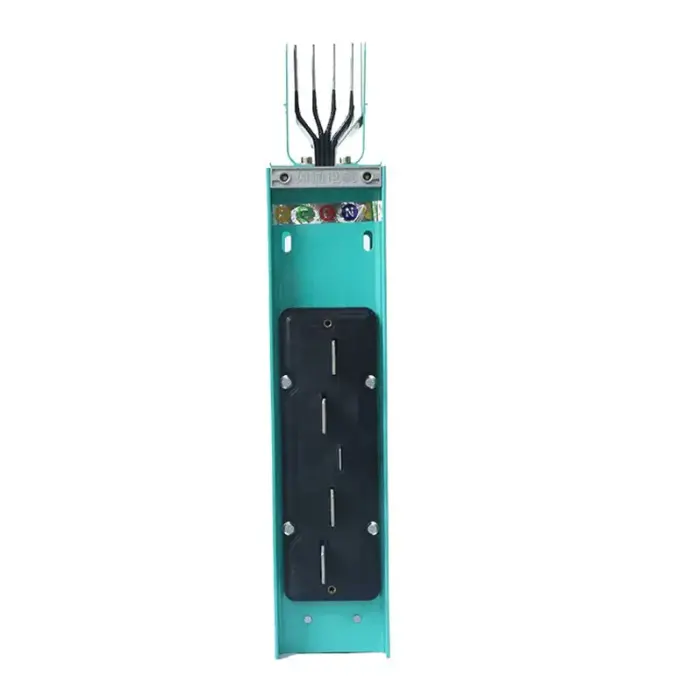
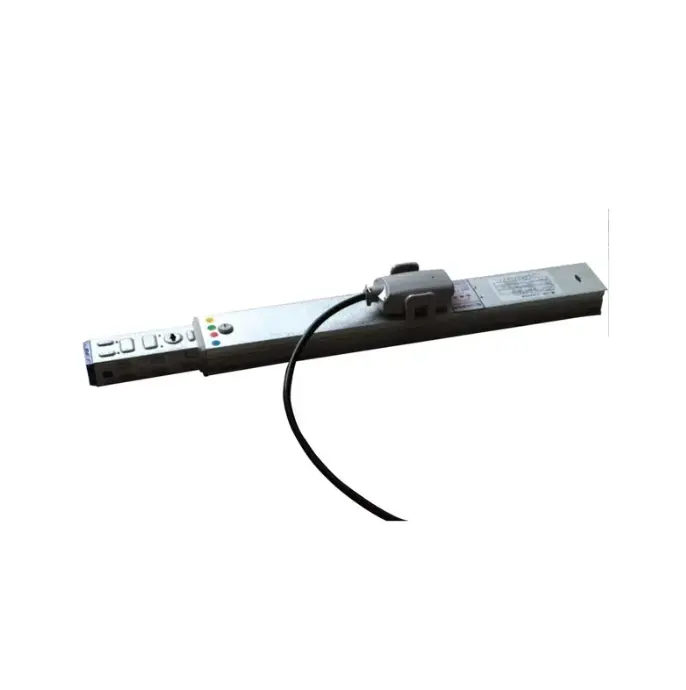
Generally speaking, closed bus duct (hereinafter referred to as bus duct) is a bus system composed of metal plates (steel plates or aluminum alloy plates) to protect the casing. Conductive row. Insulating layer materials and related accessories. It can be made into a plug-in closed bus duct with plug-in wiring boxes every certain distance, and it can also be made into a feed-type sealed bus duct without a plug-in wiring box in the middle. In the distribution lines of high-rise residential buildings, electrical engineering and lighting fixture routes are usually set separately. The bus duct serves as an important power distribution line and is installed vertically one or more times along the wall of the electrical pipe well. Depending on the application conditions, the bus duct is usually directly replaced by the original bus duct (with sockets and without sockets). L-shaped vertical (horizontal) bent busbar. Z-type vertical (horizontal) offset busbar. T-shaped vertical (horizontal) tee busbar. X-shaped vertical (horizontal) four-way busbar. Variable capacity bus duct. Expanding bus duct. Terminal equipment hydraulic seals. Terminal equipment power box. Related accessories and tightening equipment for busbar ducts. Bus ducts can be divided into gas-inserted bus ducts according to the insulation layer method.
Intensive bus duct is waterproof. Poor heat dissipation. In terms of waterproofing, the busbar is easy to absorb moisture and leak during operation, causing the ground resistance of the two colors to decrease. The key to heat dissipation from the busbar lies in the chassis. Due to the compact layout and installation between lines, the heat of the L2 and L3 phases is slowly released, resulting in high bus duct temperature. The insertion of the dense insulation layer into the bus duct is limited by the chassis plate, and can only be produced within a length of no more than 3m. Because the gap between the busbars is small, when the busbars pass a large current, it will cause a strong power flow, which will cause the accumulation of magnetic oscillation frequencies and cause excessive noise. The plug-in bus duct is a tree pole system with small size, compact structure and reliable operation. The amount of transmitted current is large. Easy to connect to the feed. Easy maintenance. Low energy consumption. It has good dynamic heat resistance and is widely used in multi-story buildings.
In general, dense wire troughs are closed busbars, but dense wire troughs are small in size, compact in structure, reliable in operation, large in transmission current, convenient in tap feeding, convenient in maintenance, low in energy consumption, and dynamic and heat-resistant. Advantages such as good sex are more prominent.