





Why can bus duct replace cables?
Systems such as wire and cable power supply systems, information transmission systems, and communication network systems play important roles. However, in recent years, people believe that the emergence of cable ducts can replace bus ducts. Does it really work? The following are the differences between the two,
Wires and cables are cable products used to transmit electrical (magnetic) kinetic energy, information and electromagnetic induction heat transfer. In theory, wires and cables are also called cables. On a small scale, a cable refers to an insulated cable, which can be defined as a combination of the following parts; one or several insulated cores and different platings, total protective layers and outer protective layers. Cables can also have additional uninsulated conductors.
Bus duct:
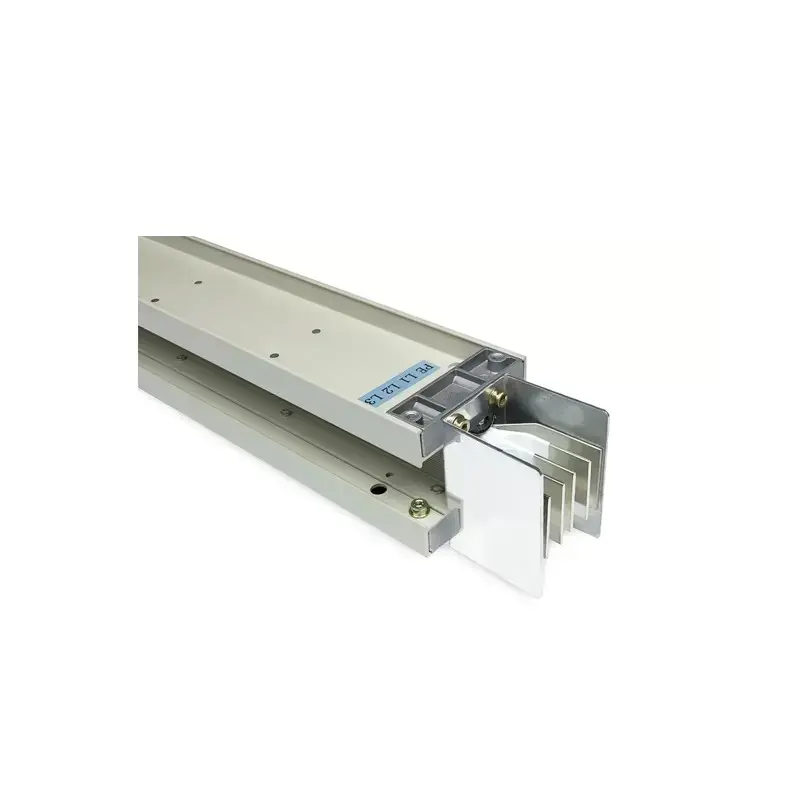
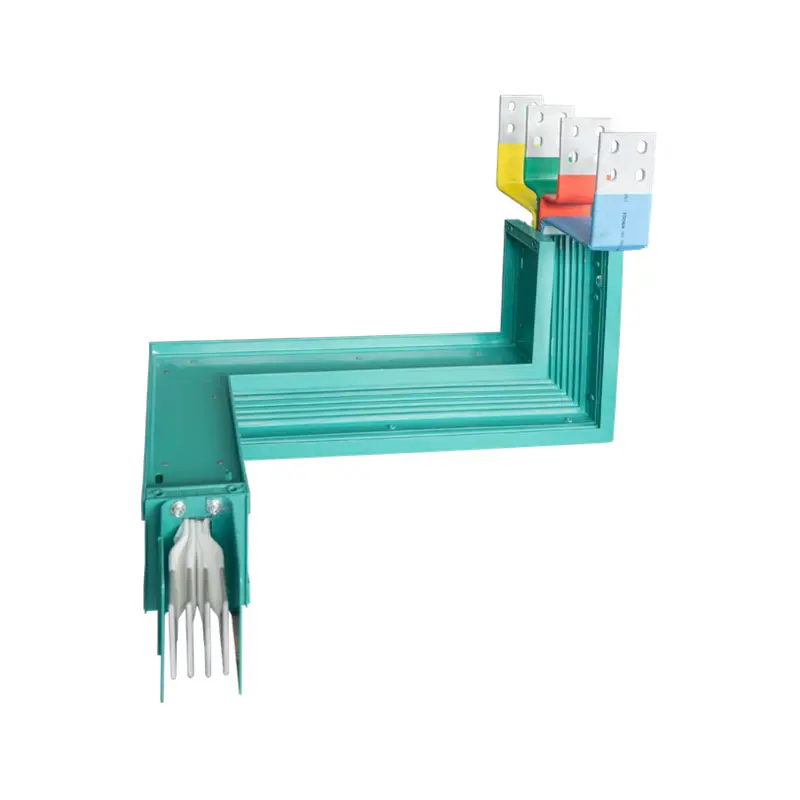
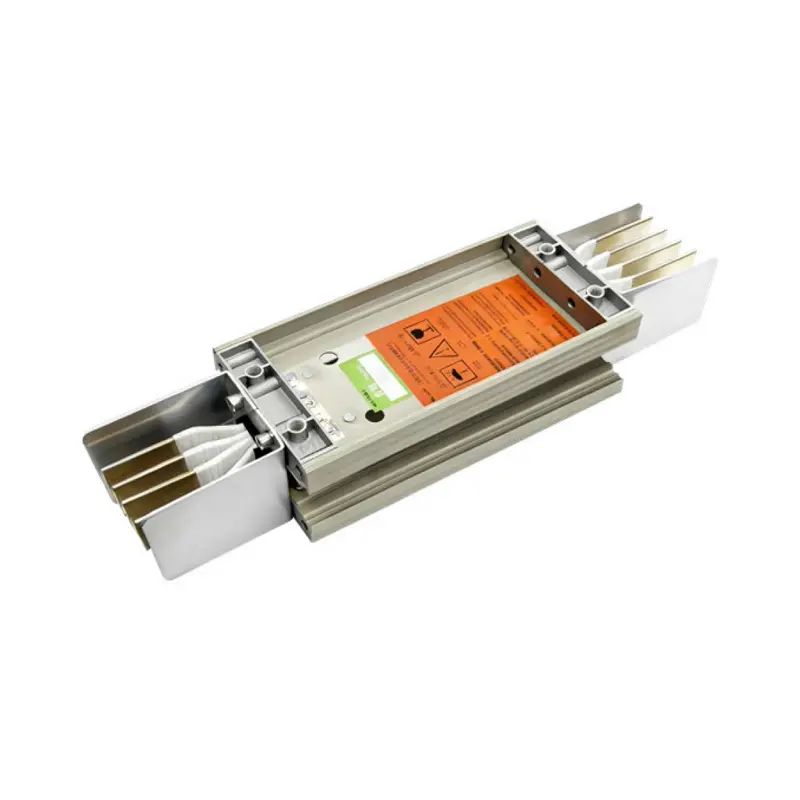
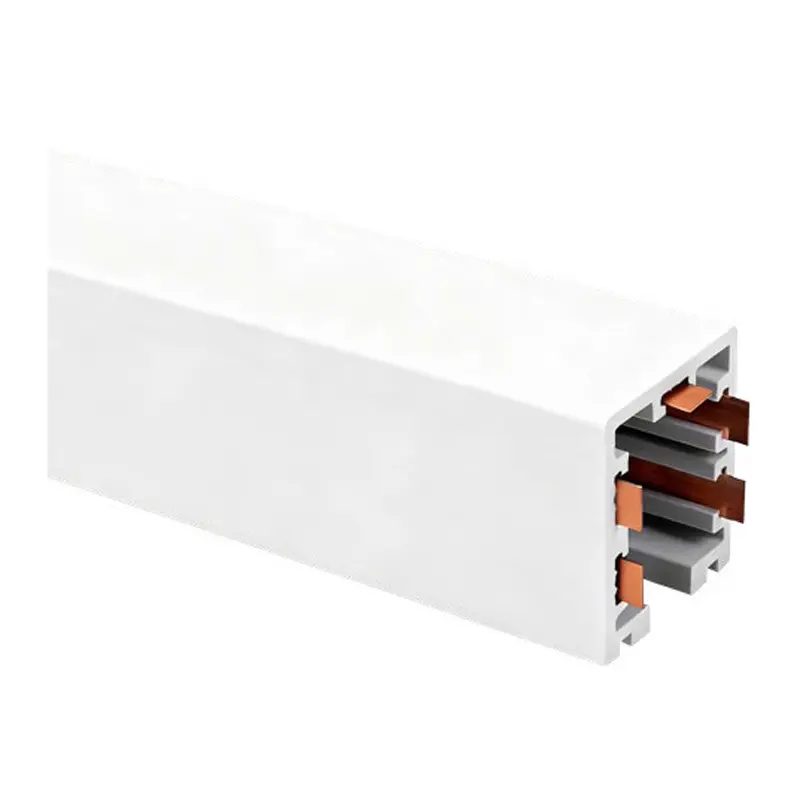
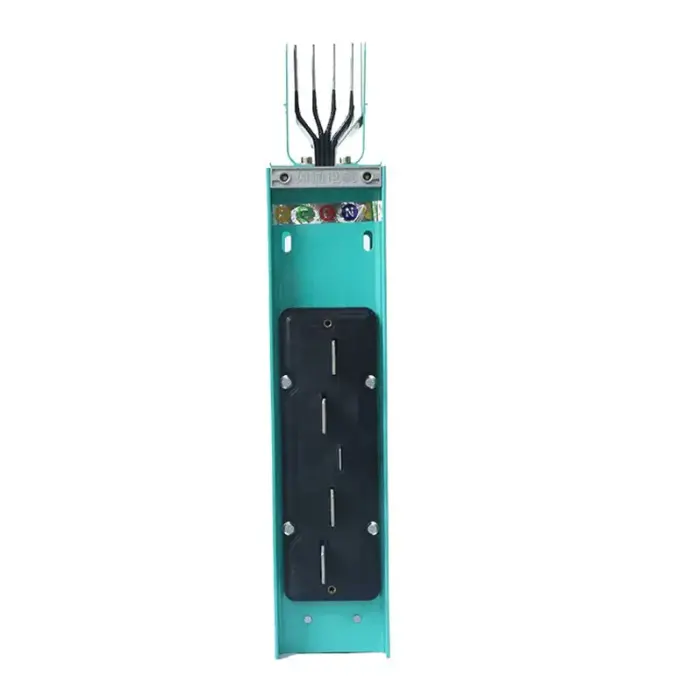
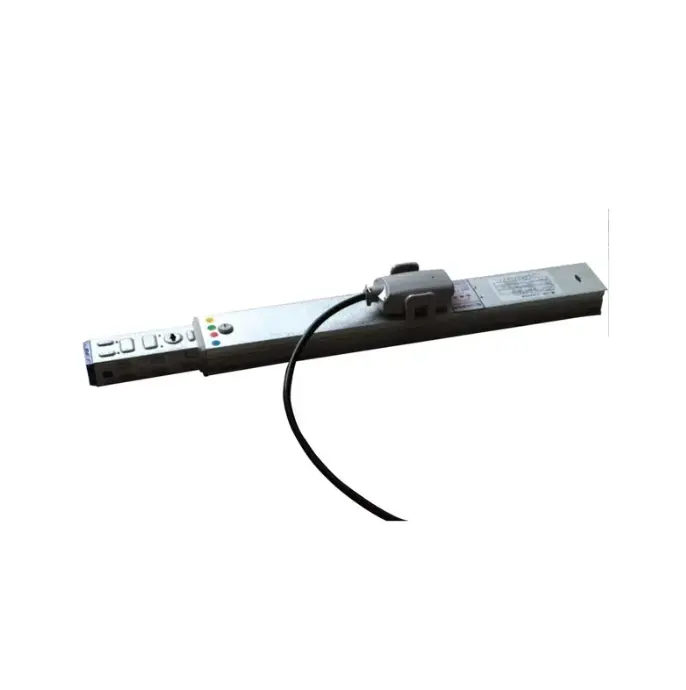
A bus duct is an enclosed metal device composed of copper Bus Bars and aluminum bus ducts used to distribute high power to each component of a distributed architecture. It has received marketing promotion in developed overseas countries in Europe and the United States and Hong Kong and Macau in China. In Guangzhou City, Guangdong Province, bus ducts are used for more than 90% of main lines in high and low voltage power distribution rooms of buildings with 12 or more floors, and bus ducts are used from 630kVA transformers to distribution boxes.
The selection of bus duct has many advantages. More and more cables are being replaced in main power transmission and distribution projects that are widely used in high and low voltage power distribution systems. Compared with cables or pre-branched cables, bus ducts have the characteristics of good heat dissipation, low characteristic impedance, and large cable carrying capacity. Compared with the process characteristics of 630A and above cables or pre-branched cables, 630A and above bus ducts can save 10-35% of copper and reduce functional losses by more than 15%.
Therefore, the Busbar distribution room system has been widely used in power transmission and distribution trunk projects, and increasingly replaced wires and cables. But in other industries, the characteristics of wires and cables are more obvious, so bus duct cannot completely replace wires and cables.