2026 Top Bus Duct Trunking System Suppliers
Choosing the right Bus Duct Trunking System supplier in 2026 requires more than comparing catalog prices. Reliable selection begins with evidence from real installations, verified testing, and responsive technical support. A strong supplier should demonstrate compliance with IEC 61439-6, clear short-circuit ratings, dependable joint systems, and accurate thermal performance data. These details matter when a busbar runs through a hot factory ceiling or a crowded commercial plant room.
Electrical educator Mike Holt has often expressed a practical truth: “Electricity is not forgiving.” That warning fits bus duct selection perfectly. Small errors in current capacity, tap-off protection, enclosure rating, or installation torque can create costly problems later. Experienced suppliers provide tested components, readable drawings, commissioning guidance, and replacement support after handover. Their engineers should also explain limitations instead of promising that one design suits every building.
This guide examines leading 2026 suppliers through product quality, engineering experience, customization, delivery capability, and after-sales service. It considers systems for data centers, manufacturing sites, hospitals, high-rise buildings, and renewable-energy facilities. A polished brochure is not enough. Site references matter more. So do factory inspections and independent test records.
No ranking is perfect. Some suppliers serve global projects well but struggle with smaller orders. Others offer impressive customization but limited local support. That contradiction deserves attention. The best Bus Duct Trunking System partner is not always the cheapest or most famous. It is the supplier that delivers safe performance, practical installation, transparent documentation, and dependable assistance when conditions become difficult.
What Is a Bus Duct Trunking System?
What Is a Bus Duct Trunking System?
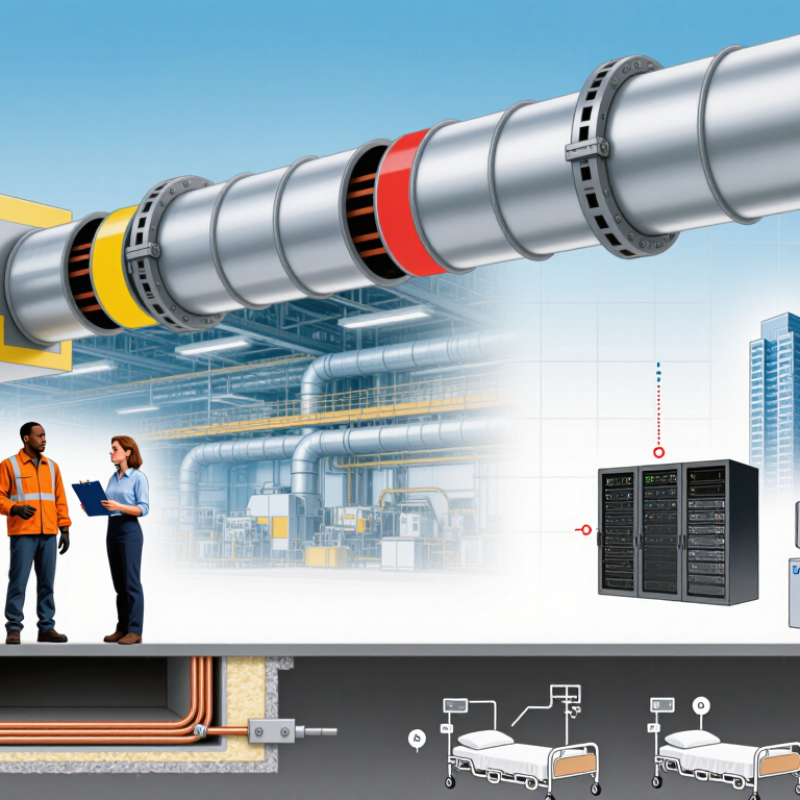
A bus duct trunking system is an enclosed electrical distribution assembly. It carries power through insulated copper or aluminum conductors. These conductors sit inside a protected metal housing. The housing reduces accidental contact, dust exposure, and cable clutter. Power can branch through tap-off boxes placed along the trunking route. Less clutter, better access.
Compared with traditional cable bundles, bus duct trunking uses a clearer, more structured path. Installers connect sections with certified joint assemblies instead of pulling long cable runs. A straight section may pass above production equipment, while a flexible connection handles small alignment changes. At each joint, correct tightening is essential. Loose connections can create heat, discoloration, and unexpected shutdowns. Small errors matter.
Reliable selection requires more than checking the rated current. Engineers should review voltage, short-circuit withstand, enclosure protection, ambient temperature, and future load growth. Site conditions also influence the design. A dusty workshop may need stronger enclosure protection, while a humid area requires careful corrosion control. Maintenance teams need safe access to inspection points and tap-off units. I would not treat every installation as identical; that assumption often causes trouble. Actual measurements, verified drawings, and qualified inspection remain important before energizing the system.
Bus duct trunking systems are prefabricated electrical distribution systems that use enclosed busbars instead of multiple parallel cables. The chart shows common nominal continuous-current rating points used in low-voltage busbar trunking specifications. Actual ratings depend on voltage, conductor material, enclosure design, temperature rise, short-circuit withstand requirements, and installation conditions.
How Bus Duct Trunking Systems Work
2026 Top Bus Duct Trunking System Suppliers
How Bus Duct Trunking Systems Work
A bus duct trunking system distributes electrical power through enclosed copper or aluminum conductors. These conductors sit inside a rigid metal housing. The housing provides mechanical protection and helps control accidental contact. Power enters through a feeder connection. It then travels along the busbars to selected outlets. Tap-off boxes connect equipment at planned points. They can supply motors, lighting panels, or production machines.
The system works through continuous electrical conductors and insulated supports. Joint packs link separate trunking sections securely. Each joint must maintain low resistance and correct phase spacing. A loose connection may create heat, noise, or insulation damage. It can also interrupt production. That risk makes torque checks and thermal scanning valuable during commissioning and maintenance.
On-site planning matters as much as product selection. Installers measure routes around beams, sprinklers, doors, and service corridors. They also check short-circuit ratings, voltage drop, enclosure protection, and future load growth. A good supplier should provide clear drawings, test records, installation guidance, and responsive technical support. Standards help, but paperwork alone cannot fix poor workmanship. Some designs look efficient on paper yet become difficult to access later. Leave working space around joints and tap-off points. Keep inspection records. Small oversights often become expensive faults.
Key Types, Components, and Applications
2026 Top Bus Duct Trunking System Suppliers: Key Types, Components, and Applications
Bus duct trunking systems use enclosed conductors to distribute high current through factories, towers, and data centers. The main types are sandwich, air-insulated, feeder, and plug-in systems. Sandwich busways reduce installation space, while air-insulated designs can simplify heat dissipation. Plug-in units add flexibility for changing production lines. Each choice depends on current rating, fault level, ambient temperature, and maintenance access.
Core components include copper or aluminum conductors, insulation, housing, joint packs, tap-off boxes, end flanges, and fire barriers. Reliable systems should align with IEC 61439-6 assembly requirements. Joint torque matters. A loose connection can create a hot spot hidden inside the enclosure. Thermal imaging during commissioning is practical, although it is sometimes skipped under schedule pressure. That shortcut deserves reconsideration.
Applications are expanding with electrification and digital infrastructure. The International Energy Agency’s Electricity 2024 report estimates data centers used about 460 TWh globally in 2022. It also projects demand could exceed 1,000 TWh by 2026. This growth increases the need for compact, scalable power distribution. In manufacturing, plug-in outlets can support conveyors, robots, and test stations without extensive cable rerouting. In high-rise buildings, vertical busways reduce shaft congestion and installation labor. However, supplier comparisons should examine tested short-circuit performance, spare-part availability, installation training, and documented temperature-rise results—not only price. Small detail, large consequence.
2026 Top Bus Duct Trunking System Suppliers
2026 Top Bus Duct Trunking System Suppliers
The leading bus duct trunking system suppliers in 2026 will compete through verified performance, not polished catalogues alone. Experienced buyers examine conductor materials, rated current, enclosure protection, and installation records before approving a system. Copper and aluminum options should include clear thermal-rise data and short-circuit withstand results. Testing matters.
A reliable supplier provides coordinated drawings, joint layouts, tap-off box details, and realistic delivery dates. For a 4,000-ampere installation, engineers should check joint temperature, support spacing, and access for maintenance. Compliance with recognized assembly standards also strengthens technical confidence. Factory inspection reports, serial-number traceability, and responsive site support reveal more than sales claims. Small details matter.
No supplier is perfect. Some documentation may arrive late, or a promised delivery window may change after approval. That weakness deserves attention, not concealment. Buyers can reduce risk by requesting sample inspection records, installation references, spare-part policies, and written warranty conditions. A capable supplier should explain voltage-drop calculations in plain language and identify limitations without pressure. Practical experience often exposes problems that brochures miss, especially around crowded risers, humid plant rooms, and difficult lifting routes. Suppliers that listen carefully, correct drawings quickly, and remain accountable after energization deserve serious consideration in 2026.