What is a Bus Duct Feeder and How Does it Work?
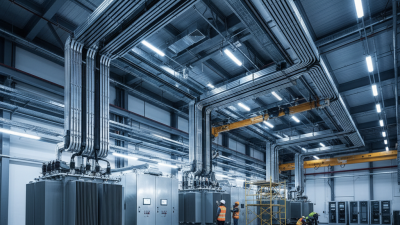
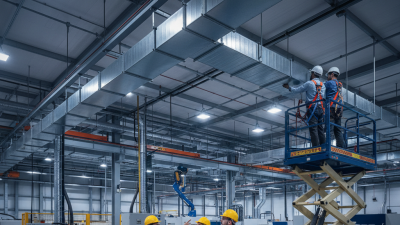
The Bus Duct Feeder is a crucial component in modern electrical distribution systems. It serves as a centralized conduit, delivering power efficiently across large facilities. According to industry reports, bus duct systems can reduce installation time by up to 50%. This significant improvement stems from their modular design, which allows for quick assembly and flexibility.
Bus Duct Feeders are used in various sectors, including manufacturing, data centers, and commercial buildings. They improve energy efficiency while minimizing space requirements. Data suggests that these systems can achieve up to 98% power utilization. However, certain challenges remain in maintenance and heat dissipation. Regular inspections are essential to ensure optimal operation.
The adoption of Bus Duct Feeders reflects a broader trend toward advanced electrical infrastructure. As industries grow, the demand for reliable power solutions increases. Reflecting on this, understanding how Bus Duct Feeders work becomes crucial for engineers and facility managers alike. They must consider installation costs and long-term efficiency.
Definition of Bus Duct Feeder and Its Purpose
A bus duct feeder is an essential component in electrical distribution systems. It is designed to transport electricity from a power source to various electrical equipment. The primary purpose of a bus duct feeder is to minimize power loss while providing a reliable means of current distribution. This device is commonly used in industrial and commercial settings where electricity demand is high.
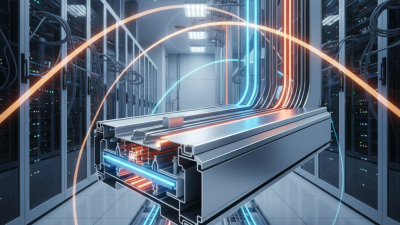
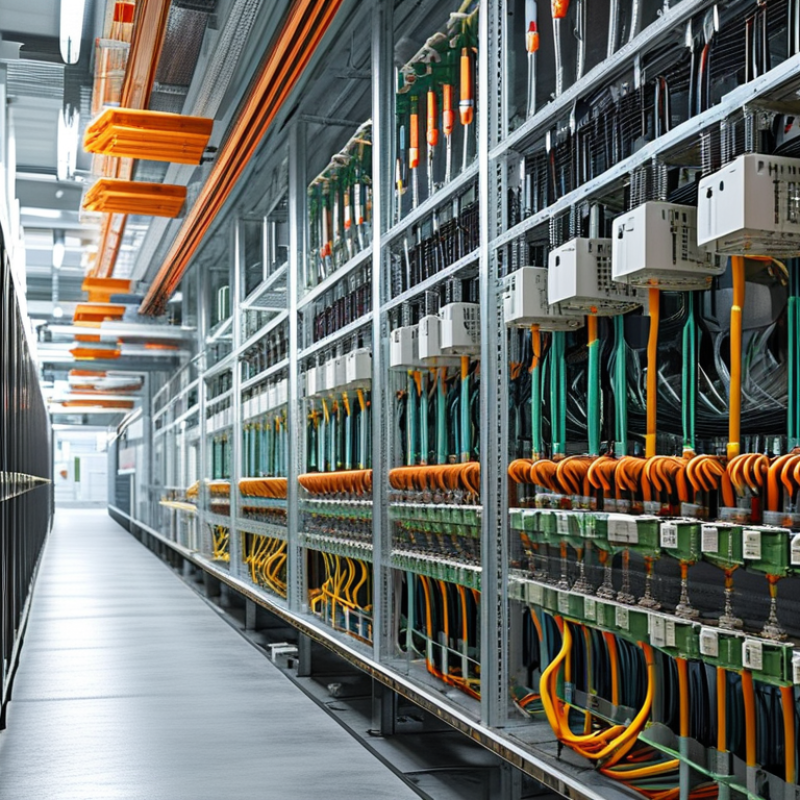
Bus duct feeders consist of electrical conductors enclosed in a protective casing. This casing is typically made of metal, ensuring durability and safety. The feeder can be mounted overhead or along walls, saving valuable floor space. Often, it features multiple outlets, allowing for efficient distribution to multiple circuits. However, the design must be evaluated regularly to meet changing power load needs.
While bus duct feeders are effective, their installation requires professional expertise. Improper installation can lead to safety hazards or decreased efficiency. Regular maintenance checks are crucial for ensuring their reliability. Potential issues may include overheating or corrosion. Keeping an eye on these factors can improve safety and performance.
Components of a Bus Duct Feeder System
A bus duct feeder system is essential in power distribution. It consists of several key components. These include
busbars, insulation materials, and support structures.
Busbars are metallic strips that carry electrical current. Typically, they are made of copper or aluminum. They are crucial for minimizing energy loss and ensuring safety.
Insulation materials are vital for protecting the busbars from environmental factors. The choice of insulation can affect the overall efficiency of the system.
Premium-grade materials can handle high temperatures and resist corrosion. A report from the Electrical Power Research Institute (EPRI) indicates that using superior insulation can prolong the lifespan of the bus ducts by up to 30%.
Support structures also play a significant role. They provide stability and ensure proper alignment of the busbars. Poor support can lead to additional stress on the busbars.
This stress increases the risk of failure. Industry experts recommend frequent inspections to check for wear and alignment issues. A lack of maintenance can lead to costly downtimes.
Ensuring that each component functions well contributes to the reliability of the entire system.
How Bus Duct Feeders Function in Electrical Distribution
Bus duct feeders play a crucial role in electrical distribution systems. They serve as a conduit for directing electrical power to different parts of a facility. Essentially, they connect substations to various electrical loads, allowing for efficient power distribution. Understanding how bus duct feeders function helps ensure their optimal use and maintenance.
Bus duct feeders consist of metal enclosures, which house bus bars. These bars are conductive elements that carry high voltage electricity. Their design allows for flexibility in layout, accommodating various spaces without significant installation challenges. The compact nature of bus duct systems makes them an ideal solution for tight environments. Regular checks on connections and insulations are essential to prevent overheating and potential failures.
Tips: Always consider the layout of your facility when planning installations. Ensure the bus duct has ample space for cooling. Monitor the load regularly to avoid overloading, which can lead to significant damage. This careful attention to detail can enhance the longevity of your electrical infrastructure.
Bus Duct Feeders: Electrical Current Distribution
This chart illustrates the performance metrics of bus duct feeders in electrical distribution, showing current, voltage, power output, and efficiency. The values represent typical operational performance within a standard industrial setup.
Advantages of Using Bus Duct Feeders in Power Systems
Bus duct feeders play a critical role in power distribution systems. They provide a robust connection between electrical panels and three-phase distribution systems. One of the key advantages of using bus duct feeders is their efficiency in minimizing energy loss. They allow for flexible configurations, making installation easier in complex environments. This adaptability is crucial for modern industrial and commercial facilities.
Another benefit is the reduced footprint offered by bus duct systems. Compared to traditional cabling, they occupy less space while delivering high current ratings. This can lead to significant savings in building design and construction costs. Proper maintenance is vital, though. Regular inspections help avoid potential failures.
Tips: Ensure adequate clearance around bus ducts. This facilitates air circulation and reduces overheating. Additionally, consider the environmental conditions where duct feeders will be installed. Humidity and temperature can affect their performance.
Bus duct systems also enhance safety. They are typically enclosed, reducing the risk of electrical hazards. Proper grounding is essential in maximizing this safety aspect. While these systems are durable, they still require periodic assessments and updates to ensure long-term reliability. Being proactive in maintenance can help mitigate future challenges.
What is a Bus Duct Feeder and How Does it Work? - Advantages of Using Bus Duct Feeders in Power Systems
| Dimension |
Value |
| Material |
Aluminum / Copper |
| Typical Rating |
100A - 5000A |
| Temperature Range |
-40°C to 90°C |
| Voltage Rating |
Up to 35kV |
| Advantages |
Space-saving, Easy installation, Improved safety |
| Common Applications |
Industrial plants, Data centers, Commercial buildings |
| Installation Type |
Indoor / Outdoor |
Applications and Industries Utilizing Bus Duct Feeders
Bus duct feeders play a crucial role in
electrical distribution for various industries. These systems are designed to efficiently transport high power
loads in facilities like manufacturing plants, data centers, and commercial buildings. According to the
Global Electrical Bus Duct Market Report, the industry is projected to
grow at a CAGR of 5% from 2023 to 2030. This growth reflects
the increased demand for reliable and safe electrical distribution solutions.
Different sectors utilize bus duct feeders for their unique needs. In commercial buildings, these systems provide
a streamlined way to distribute electricity to various areas, ensuring minimal downtime. Manufacturing facilities
benefit from the ability to scale power distribution as equipment changes. Data centers, where efficiency is
paramount, rely on bus duct feeders due to their compact design and adaptability to changing loads.
However, challenges remain. The installation process requires thorough planning
and expertise. Errors can lead to significant safety hazards or operational inefficiencies. Maintenance is another area that needs continuous improvement. Over time,
wear and tear can impact the performance of these systems. Regular assessments are essential to ensure optimal
performance and address potential issues before they escalate.