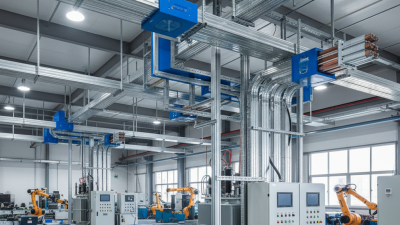
Best Busways in Electrical Systems for Efficient Power Distribution?
Efficient power distribution is critical in modern electrical systems. Busways in Electrical play a vital role in ensuring optimal performance. According to the International Energy Agency, over 20% of energy loss occurs in outdated electrical distribution systems. This highlights the need for innovative solutions.
Expert John Smith, a leading authority in electrical systems, emphasizes, "The efficiency of busways in electrical distribution can save companies significant costs." With energy demands increasing, upgrading to advanced busway systems is more essential than ever. These systems reduce energy loss and improve safety.
However, implementing new busways isn't without challenges. Companies must evaluate their current infrastructure and potential costs. The transition requires careful planning and expert consultation. Striking a balance between efficiency and reliability is imperative. The conversation around busways in electrical systems should focus on optimizing performance while addressing real-world limitations.

Overview of Busways in Electrical Power Distribution Systems
Busways play a critical role in electrical power distribution systems. These systems allow for the efficient transport of electricity. They connect various power sources to loads within buildings and industrial setups. According to a recent IEEE report, the use of busways can improve energy efficiency by up to 30%. This efficiency is vital as companies seek to reduce operational costs.
When selecting busways, factors such as material, size, and layout matter significantly. Copper and aluminum are common choices for conductors, each with unique properties. For instance, copper has a lower resistance but is costlier. On the other hand, aluminum is lightweight and more economical. Restructuring existing busways can often yield better performance outcomes but may require an initial investment.
Tips: Consider the space available when laying out busways. A well-planned layout can significantly reduce energy losses. Inspecting connections regularly ensures reliability and safety. Small maintenance tasks can prevent larger issues down the line. Always refer to local regulations to stay compliant while upgrading systems. Conducting a thorough analysis of current usage patterns can guide improvements that enhance overall efficiency.
Types of Busways and Their Applications in Various Industries
Busways serve as essential components in electrical systems, facilitating efficient power distribution across various industries. These systems consist of conductors housed within a protective enclosure. They can be configured in multiple ways to meet specific needs. For instance, a standard busway can carry high current loads, making it ideal for manufacturing plants. Their modular design allows for easy expansion and reconfiguration, adapting to changing power demands.
Different busway types exist, each suited for unique applications. For example, insulated busways are prevalent in commercial buildings, ensuring safety while minimizing electromagnetic interference. Meanwhile, open busways are often preferred in industrial settings due to their robust construction and ability to handle large loads. However, the choice of busway does pose challenges; improper selection can lead to inefficiencies or safety risks.
Practitioners must consider critical factors like load requirements and environmental conditions. For example, busways installed in corrosive environments need extra protection. Ignoring such factors can result in costly downtime. While the benefits of busways are clear, understanding their limitations is equally important for optimal performance.
Factors Influencing the Efficiency of Busways in Power Distribution
When considering busways for power distribution, several factors impact their efficiency. Material selection is crucial. Copper and aluminum are common choices, each with unique conductivity properties. Copper, while more conductive, can be heavier and costlier. Aluminum is lighter but has higher resistance. Understanding these properties can significantly influence the overall efficiency of the busway system.
Another important consideration is the installation environment. Temperature fluctuations can affect material performance. High temperatures may lead to increased resistance and energy losses. Proper ventilation and installation methods can mitigate these effects. Additionally, busway design plays a key role. A compact design with minimal bends reduces energy losses and simplifies maintenance. However, space constraints can lead to design compromises, affecting overall system performance.
Finally, it is essential to examine the connection points. Loose or corroded connections can introduce resistance and heat. Regular inspections can help detect these issues early. However, maintenance can often be overlooked, resulting in inefficiencies. Addressing these factors not only improves performance but also ensures system reliability. Striking a balance between design, materials, and maintenance is fundamental for optimal power distribution.
Advantages of Using Busways Over Traditional Cable Systems
Busways are increasingly popular in electrical systems for efficient power distribution. They offer several advantages over traditional cable systems. First, busways provide significant space savings. Their compact design allows for advanced configurations without sacrificing performance. In crowded electrical rooms, this is invaluable.
Another benefit is ease of installation. Busways are generally faster to install compared to traditional cabling. Their modular design allows for quick adjustments and expansions. Flexibility in layout reduces downtime during modifications.
Tips: Regular maintenance checks on busway connections can prevent potential failures. Ensure all terminations are securely fastened. Consider using thermal imaging to identify hot spots before they become issues. Always review installation guidelines to match your specific needs. Efficient planning upfront can save time and costs later.
Best Practices for Designing and Implementing Busway Systems
When designing and implementing busway systems, attention to detail is crucial. Busways are essential for efficient power distribution in electrical systems. According to the 2022 Global Electrical Research Report, poorly designed systems can lead to energy losses of up to 30%. Crafting an optimal system can drastically reduce operational costs.
Consider the layout and sizing of the busway. Proper sizing ensures that current levels align with the load requirements. A mismatch can cause overheating, leading to potential system failure. It is beneficial to follow the National Electrical Code (NEC) guidelines during the design phase. These standards provide safety frameworks protecting both systems and users.
Installation practices are equally important. Following specified manufacturer guidelines can foster reliability. Training staff on busway handling during installation helps prevent damages. Yet, the industry often overlooks post-installation assessments. Regular checks can identify wear and maintenance needs. Ignoring this step can result in unexpected downtimes, which could harm productivity.