Best Busways In Electrical Solutions For Global Sourcing?
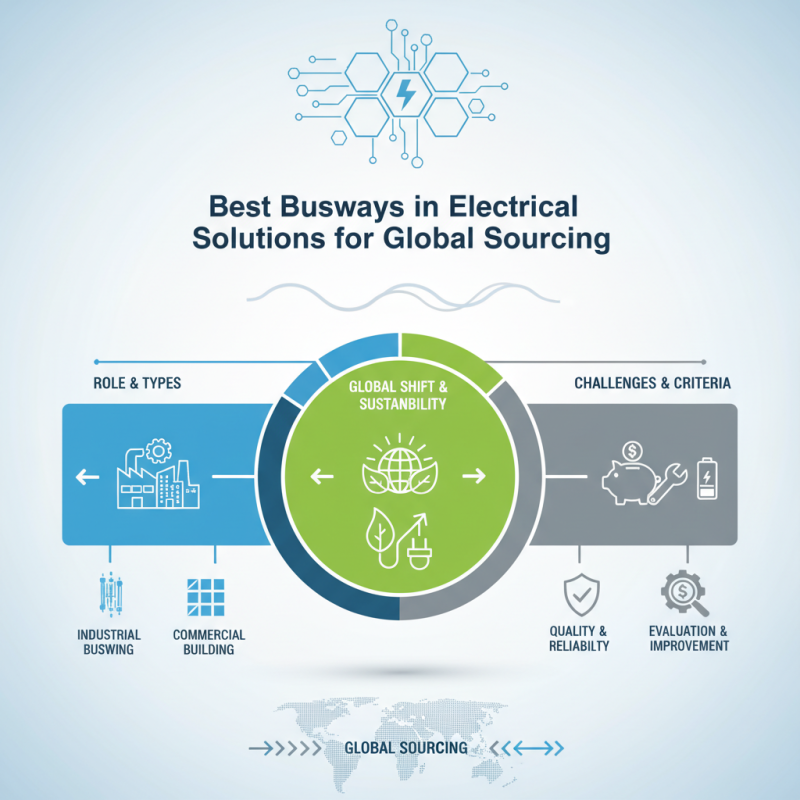
In the realm of electrical solutions, busways play a crucial role. These systems provide efficient power distribution for various applications. With the global shift towards sustainable solutions, understanding the best busways in electrical systems is vital.
Busways in electrical settings vary in design and functionality. Some are suited for industrial usage, while others excel in commercial buildings. This diversity reflects the need for tailored solutions. Companies must consider their specific requirements when choosing busways. Yet, challenges persist. Cost and installation logistics can complicate sourcing decisions. It's essential to weigh these factors carefully.
Industry experts often highlight the importance of quality and reliability in busway systems. Trustworthy manufacturers provide robust solutions that enhance safety and efficiency. However, not all products meet these standards, which can lead to operational issues. Continuous evaluation and improvement are necessary to ensure optimal performance.
Importance of Busways in Electrical Distribution Systems
Busways play a crucial role in electrical distribution systems, notably in commercial and industrial applications. These systems facilitate the efficient transfer of electrical power. Recent reports indicate that the global busway market is projected to grow significantly, reaching a valuation of
$5 billion by 2028. This surge emphasizes the critical need for reliable and efficient power distribution methods.
Busways offer several advantages, including reduced installation times and enhanced scalability. They can be easily reconfigured to meet changing power demand. However, there are challenges, such as potential overheating and electrical losses that can occur in poorly designed systems. Effective
thermal management becomes essential in optimizing performance and ensuring safety.
In many facilities, busways replace traditional cabling methods. This transition leads to improved space utilization and reduced material costs. Yet, the initial investment for quality busways can somewhat deter some decision-makers. It's vital to balance upfront costs with longer-term energy savings and maintenance benefits. Properly implemented busway systems can lead to a more
resilient electrical infrastructure.
Types of Busways Used in Global Electrical Solutions
Busways play a crucial role in modern electrical distribution systems. These systems are designed to efficiently transport electrical power across various facilities. The most common types of busways include metal-clad, non-metallic, and insulated busways. Each type offers distinct advantages depending on the application.
Metal-clad busways are often preferred for large-scale industrial settings. They provide a robust solution for high-power applications. According to industry reports, metal-clad busways account for about 50% of the global market. Their durability and safety features make them a reliable choice.
Non-metallic busways are gaining traction in environments with corrosive elements. These busways are lighter and easier to install. They are also less expensive and often offer better insulating properties. Insulated busways, on the other hand, focus on minimizing electrical losses. They are ideal for sensitive applications where efficiency is critical.
Tip: When selecting a busway type, consider both installation environment and load requirements. Careful analysis can prevent costly inefficiencies later.
Reflecting on the evolution of busway technology reveals areas for improvement. Many facilities continue to overlook maintenance needs. Regular inspections can prolong the lifespan of busways and ensure safety. Emphasizing reliability in these solutions is vital for sustainable energy management.
Key Benefits of Choosing Busways for Electrical Infrastructure
Busways have emerged as a vital component in modern electrical infrastructure. Their modular design offers flexibility that traditional wiring methods often lack. This adaptability allows for easier installation and reconfiguration, saving both time and labor costs. In large facilities, busways reduce the clutter associated with extensive wiring, leading to a cleaner and more organized environment.
One key benefit of busways is their safety. With an enclosed design, they minimize the risk of electrical faults. However, proper installation and regular maintenance are crucial to maximize their potential. Users sometimes overlook routine checks. This negligence can lead to unforeseen issues.
Additionally, busways are energy-efficient. They can reduce power losses during distribution. However, the initial investment may deter some facilities. Weighing the long-term benefits against immediate costs is essential. Adopting busways encourages a more sustainable approach to energy management, highlighting the importance of forward-thinking in electrical solutions.
Best Busways In Electrical Solutions For Global Sourcing? - Key Benefits of Choosing Busways for Electrical Infrastructure
| Dimension |
Description |
Key Benefits |
| Efficiency |
Busways allow for rapid deployment of electrical distribution. |
Reduces installation time and labor costs. |
| Scalability |
Busways can be easily expanded to meet growing electrical needs. |
Flexibility to adapt to changing requirements. |
| Safety |
Busways are designed with safety standards to minimize risks. |
Enhances safety for maintenance personnel. |
| Cost-Effectiveness |
Lower overall cost compared to traditional wiring systems. |
Long-term savings on maintenance and energy efficiency. |
| Maintenance |
Minimized maintenance requirements due to robust design. |
Reduces downtime and operational interruptions. |
Leading Manufacturers and Suppliers of Busway Systems Worldwide
Busway systems are essential in electrical distribution and global sourcing. These systems provide efficient power distribution with reduced installation time and maintenance costs. Recent industry reports indicate that the global busway market is expected to grow significantly, reaching over \$10 billion by 2025. This growth is fueled by the increasing demand for energy-efficient solutions and advancements in technology.
Leading manufacturers and suppliers of busway systems are focusing on innovation and sustainability. Many companies are investing in research and development to enhance performance and reliability. For instance, the rise of smart grids is transforming how busways operate. These systems are being integrated with advanced monitoring and control technologies, ensuring improved functionality.
Tip: When sourcing busway systems, consider the manufacturer’s reputation and service support. Research their experience in the industry. It's crucial to choose a supplier that adheres to international standards.
However, not all manufacturers deliver the same quality. Some have faced issues with product consistency and reliability. It’s vital to evaluate performance data and customer feedback before making decisions. Discrepancies in product quality can lead to increased operation costs.
Tip: Always request references and case studies to assess a supplier's track record. This can help avoid potential pitfalls in the purchasing process.
Best Busways in Electrical Solutions for Global Sourcing