China Best Busway Electrical System Benefits and Features Explained?
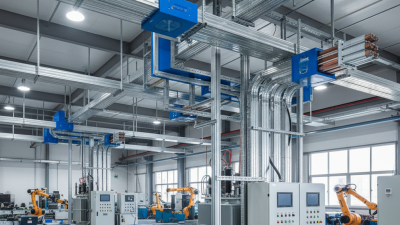
The Busway Electrical System in China represents a significant advancement in energy distribution technology. This innovative system is designed to enhance efficiency and adaptability in modern infrastructure. With growing urbanization, energy demands have surged. The Busway Electrical System meets these challenges effectively.
One of its key benefits is flexibility. It can be customized to fit different building layouts and energy requirements. Additionally, the system promotes safety through its robust design. This minimizes risks associated with electrical faults. Many companies have adopted it, recognizing its reliability and efficiency.
However, there are areas for improvement. Not all installations have been seamless, indicating a need for better training and understanding. The success of the Busway Electrical System hinges on proper implementation. Stakeholders must reflect on practices to ensure its full potential is realized. Continuous learning is vital in maximizing these systems' benefits for future growth.

China's Busway Electrical System: Overview of Technological Advancements
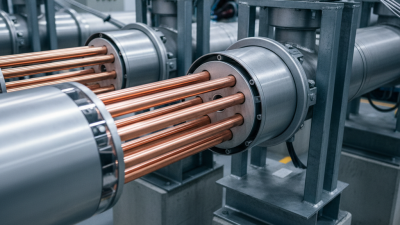
China's busway electrical system represents a significant leap in transportation technology. It integrates advanced features to improve efficiency and reliability. The design incorporates modular components, allowing for easy upgrades and maintenance. This modularity ensures reduced downtime and enhances operational capabilities.
Key advancements include real-time monitoring systems. These systems help operators track energy consumption and system health. Additionally, user-friendly interfaces allow for quick adjustments. However, despite these advancements, certain challenges persist. Some installations face connectivity issues due to environmental factors. This can impact overall performance and require ongoing evaluation.
The development of smart busway systems reflects China's commitment to innovation. The emphasis on sustainability is commendable, yet there are questions about long-term impact. Striking a balance between innovation and practicality remains a focal point for future advancements. The pursuit of technology will continue, but reflection on these challenges is essential for growth.
Benefits of China's Busway Electrical System
Key Benefits of Busway Electrical Systems in Modern Transportation
Busway electrical systems are transforming modern transportation. They are efficient and reliable, offering several key benefits.
One notable advantage is flexibility. Busways can easily adapt to changing infrastructure needs. As cities grow, the system can expand without major disruptions.
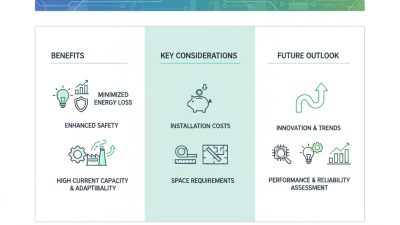
Another significant benefit is safety. Busway systems prioritize safety through robust design and advanced technology. They reduce the risk of electrical failures that could lead to accidents. Enhanced safety features are essential for public transport systems, ensuring a secure environment for commuters.
However, there are some challenges. Installation costs can be high, and training for maintenance is necessary. Cities must weigh these factors against the long-term benefits. Effective planning is crucial for maximizing the impact of busway electrical systems. This balance ensures that modern transportation is efficient, safe, and adaptable.
Comparative Analysis of Efficiency: Busway vs. Traditional Electric Systems
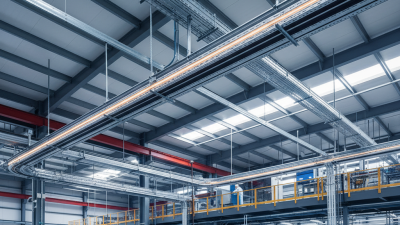
The efficiency of a busway electrical system shines when compared with traditional electric systems. Busway systems feature an integrated design, allowing for easy installation and reduced installation time. This is particularly significant for large facilities needing rapid energy delivery. Traditional systems often involve cumbersome wiring that can result in inefficiencies.
Busway systems also showcase flexibility. They can be easily reconfigured without major rewiring. This agility is crucial in dynamic environments like manufacturing. Traditional systems, however, often lock users into specific layouts, making modifications costly and time-consuming. As companies evolve, they require energy solutions that adapt quickly.
Tips: Consider energy use carefully. Monitor fluctuations with real-time data. Also, invest in training for staff. Knowing how to operate these systems enhances efficiency. Proper understanding can prevent minor issues from escalating. Regular maintenance checks are vital. This maximizes lifespan and minimizes unexpected outages.
Environmental Impact: Reducing Carbon Footprint with Busway Technology
The busway electrical system in China is a game-changer for sustainable transport. This innovative technology significantly reduces carbon emissions. By utilizing cleaner energy sources, busways can limit air pollution and enhance urban air quality. The switch to electric buses leads to less dependency on fossil fuels. This is crucial for cities striving for greener futures.
Implementing busway systems means revitalizing urban infrastructure. It encourages public transport usage over personal vehicles. As cities embrace these systems, greenhouse gas emissions can drop substantially. Communities may experience improved air quality and reduced congestion. However, it requires careful planning and investment. Not all cities can quickly adapt to this technology.
Tips for cities considering busway adoption include assessing existing infrastructure. Evaluate how the current transport system can integrate with busway technology. Engaging with local communities is essential for understanding their needs. Also, focus on long-term environmental benefits. Making short-term sacrifices can lead to lasting positive changes.
Future Trends in China's Busway Electrical Systems: Innovations on the Horizon
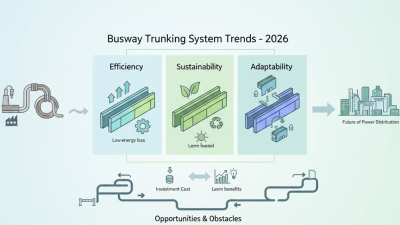
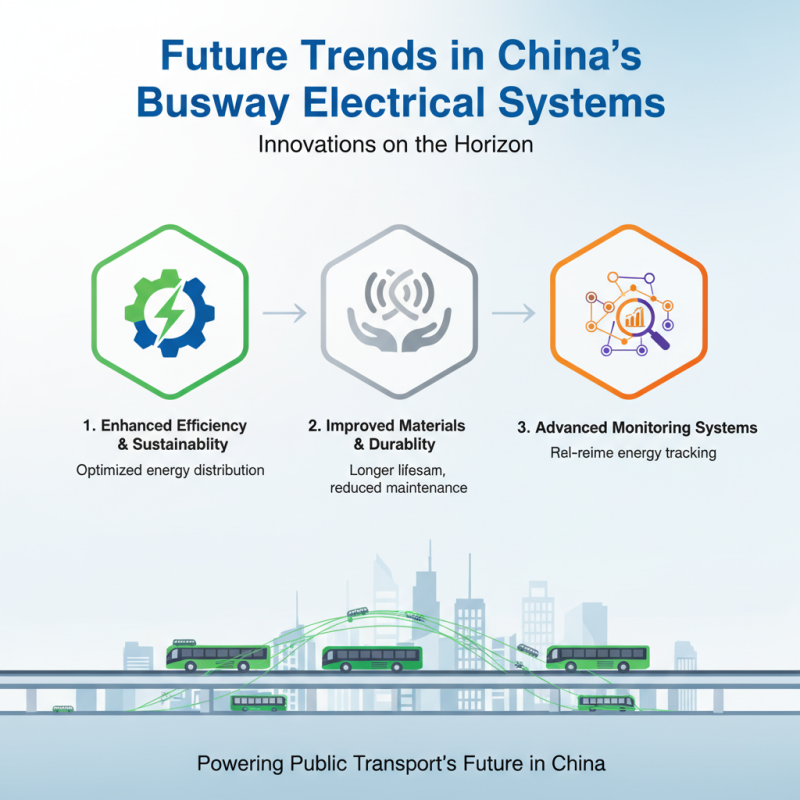
China's busway electrical systems are undergoing significant innovations. As urbanization increases, demand for reliable energy distribution grows. New designs focus on efficiency and sustainability, addressing concerns in public transport networks. These innovations include improved materials that enhance durability. Advanced monitoring systems are also being integrated. They help track energy usage in real-time.
The shift toward smart technology is noticeable. Automated controls optimize energy flow. These systems respond quickly to changes, reducing waste. Energy storage solutions are increasingly used. They store excess energy, which can be vital during peak demands. However, challenges persist. Implementing these technologies across diverse landscapes is complex. Infrastructure must adapt, and training is essential for operators.
Future trends suggest a blend of renewable energy sources. This approach will likely reduce the carbon footprint. However, integration of these systems into existing networks needs careful planning. Many cities face outdated infrastructure. Addressing these gaps is critical. Without improvements, the potential benefits may remain unfulfilled. These transformations will require collaborative efforts to ensure success.