Leave Your Message

What Is Bus Bar Trunking and Which Type Is Best?

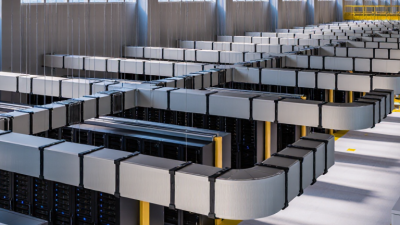
Bus Bar Trunking is a modular electrical distribution system for factories, offices, data centres, and commercial buildings. It places copper or aluminium conductors inside a protected metal enclosure. Plug-in tap-off units then deliver power along the route. Imagine a 30-metre production line with machines connected through compact outlets, rather than scattered cable trays. The arrangement can look cleaner. More importantly, it can simplify future changes.

Market evidence supports its growing relevance. Grand View Research reported that the global busbar trunking system market was valued at approximately USD 10.3 billion in 2023. Its analysis also projects continued growth through 2030. MarketsandMarkets identifies data centres, industrial facilities, and commercial construction as important demand areas. These figures show momentum, but they do not prove that every project needs trunking. That assumption deserves scrutiny.

“Busbar trunking provides a flexible alternative to traditional cable distribution,” explains Christophe Prévé, an electrical-network specialist and author of Protection of Electrical Networks. His observation captures the central decision. Flexibility, heat dissipation, fault protection, installation access, and future load expansion must be assessed together. Copper systems often suit high-current applications and demanding environments. Aluminium can reduce weight and material cost. However, joint quality and installation accuracy remain critical. A poorly assembled joint can undermine an excellent design. The best type depends on current rating, enclosure protection, short-circuit withstand, ambient temperature, and maintenance access. This guide compares those choices with practical engineering evidence. It also questions convenient claims, because real sites rarely behave like clean drawings.
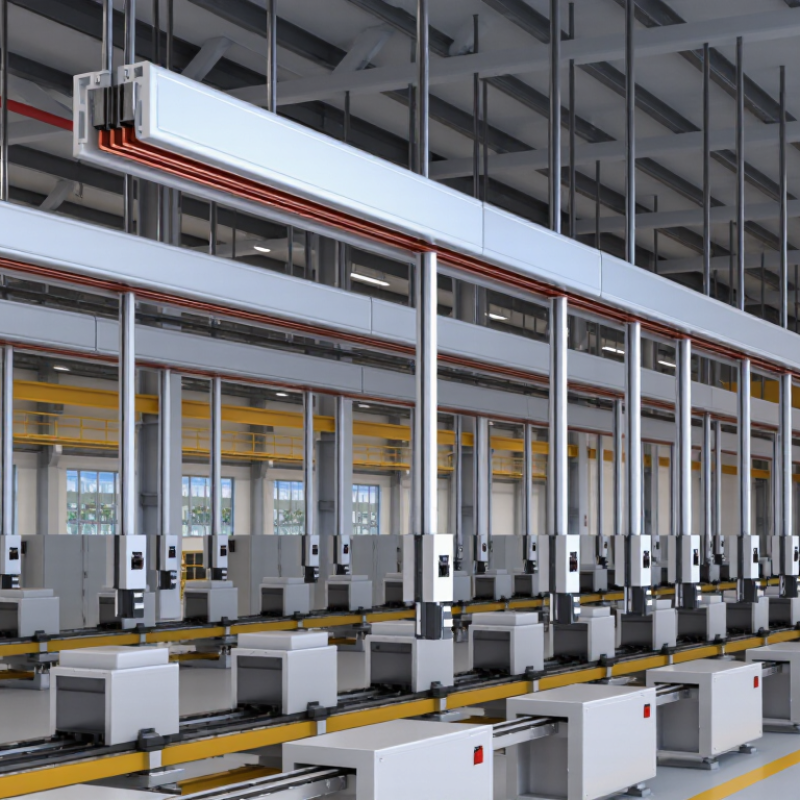
What Is Bus Bar Trunking and Which Type Is Best?

What Is Bus Bar Trunking and How Does It Work?

Busbar trunking is a prefabricated electrical distribution system. It uses insulated copper or aluminum conductors inside a protective enclosure. Power enters through a feeder unit. It then travels along a straight, enclosed route. Tap-off boxes connect equipment at selected points. Shorter routes. Cleaner access.

Inside the trunking, conductors are separated by insulation and fixed supports. The enclosure protects them from dust, impact, and accidental contact. When a tap-off unit closes onto a prepared outlet, spring contacts or bolted connections draw power from the conductors. Protective devices in the unit help isolate faults. Correct earthing remains essential. Without it, a strong enclosure can still create danger.

Choosing a type depends on current, voltage, environment, and future changes. Sandwich systems suit compact buildings because their conductors sit closely together. Air-insulated systems may support heat dissipation and easier inspection, but they need more space.

Plug-in designs help factories add loads without rebuilding long cable runs. Yet, easy installation is not automatic. Joints must be torqued correctly, phase identification must be checked, and thermal derating must reflect ambient temperature. A tidy route may still be poorly designed. Engineers should verify short-circuit withstand, ingress protection, voltage drop, and maintenance access against applicable standards. Site measurements matter more than a catalogue estimate.
Main Components and Structural Features of Bus Bar Trunking

What Is Bus Bar Trunking and Which Type Is Best?

Bus bar trunking is a prefabricated power distribution system. It uses insulated copper or aluminium conductors inside a protective enclosure. The main components include bus bars, insulation, housing, joint packs, tap-off units, end feeds, and protective earth paths. Joint packs connect straight sections while maintaining electrical continuity and mechanical alignment. Tap-off units provide controlled connection points for lighting, motors, and distribution boards.

Its structure is compact and modular. A sandwich design places closely spaced conductors between insulation layers, reducing magnetic fields and installation space. Air-insulated designs leave wider gaps, improving heat dissipation but increasing enclosure size. The enclosure usually uses galvanized steel or aluminium. It must resist impact, moisture, and corrosion in its service environment. IEC 61439-6 specifies requirements for busbar trunking assemblies, including temperature rise, dielectric strength, and short-circuit performance. Design details matter.

Market data reflects this demand. MarketsandMarkets estimates the global busway market could grow from about USD 10.8 billion in 2023 to USD 17.5 billion by 2028. The report links growth to industrial expansion, data centers, and building electrification. The IEA’s Electricity 2024 report also forecasts strong global electricity demand growth through 2026. That pressure makes flexible distribution valuable. Still, the highest current rating is not always the best choice. A compact system may restrict heat inspection. A cheaper joint design may create maintenance concerns. Real installations are less tidy than drawings. Engineers should verify load diversity, fault levels, ingress protection, thermal conditions, and future expansion before selecting sandwich or air-insulated construction.

Common Types of Bus Bar Trunking and Their Applications

Bus bar trunking, also called busway, distributes electrical power through enclosed copper or aluminium conductors. Its design supports safer, cleaner installations than many traditional cable arrangements. Choosing the right type depends on current capacity, building layout, environmental conditions, and maintenance access.

Sandwich-type bus bar trunking uses closely packed conductors with strong insulation between phases. It suits factories, commercial buildings, and data centres where space is limited and high current demand is expected. Air-insulated trunking leaves more space around the conductors, improving heat dissipation. However, it usually needs a larger installation route. It can work well in industrial areas with moderate environmental exposure.

Feeder busbar systems carry power between main switchboards and distribution points. They are suitable for long, fixed routes with few connection points. Plug-in busbar trunking includes tap-off outlets along the route. This makes it practical for workshops, warehouses, and multi-floor buildings that need flexible equipment connections. Rising busbar systems serve vertical power distribution in high-rise buildings. They reduce crowded cable shafts and simplify floor-by-floor metering.

In field inspections, poor joint alignment remains a common concern. A compact system is not automatically the best system. Space matters. Engineers should verify short-circuit ratings, temperature rise, enclosure protection, fire performance, and expansion requirements before selection. Installation quality can still undermine a well-designed product. That part deserves more attention.

How to Choose the Best Bus Bar Trunking System

What Is Bus Bar Trunking and Which Type Is Best?

How to Choose the Best Bus Bar Trunking System

Bus bar trunking is a prefabricated power distribution system using enclosed copper or aluminium conductors. It can replace long cable runs in factories, offices, and high-rise buildings. The best choice depends on load demand, installation conditions, and future expansion. Start with the expected current, voltage, fault level, and route length. Space is limited.

Sandwich-type trunking offers a compact structure and short installation routes. It suits buildings where vertical shafts or ceiling space are restricted. Air-insulated trunking usually provides better heat dissipation and easier visual inspection. However, it may require more room. Lighting trunking works well for lower-power circuits and frequent outlet changes. Do not select a type only because its purchase price is lower.

Check the rated current, temperature rise, insulation level, and short-circuit withstand rating. Confirm the enclosure’s IP rating when dust or water may affect performance. In practical projects, joint alignment often causes more trouble than conductor sizing. Leave enough access around joints and tap-off points. Use tested components and installation procedures that follow applicable electrical standards, such as IEC 61439-6. A qualified engineer should verify protection coordination and earthing continuity. Details matter.

Consider maintenance, spare capacity, fire barriers, transport paths, and emergency access before ordering. Record torque settings during installation, then inspect connections after commissioning. A 20% expansion allowance may help, but the correct margin depends on the project. No choice is perfect. Review the design after actual operating data becomes available.

Installation, Protection, and Maintenance Requirements

What Is Bus Bar Trunking and Which Type Is Best?

Bus bar trunking needs careful installation, not just correct sizing. IEC 61439-6 requires design verification for temperature rise, short-circuit withstand, and mechanical strength. Installers should confirm alignment, joint torque, phase identification, and enclosure continuity. A sandwich-type system usually offers compact dimensions and lower impedance. An air-insulated system may suit longer routes or easier visual inspection. The best choice depends on load, environment, fault level, and access requirements.

Keep joints clean. Moisture is unforgiving. Select an enclosure rating under IEC 60529 according to dust and water exposure. In outdoor or washdown areas, sealed construction may be necessary. Protective devices must coordinate with the trunking’s rated current and prospective fault current. Poor coordination can damage joints before a breaker clears the fault. NFPA’s Electrical Fires report estimates that U.S. fire departments responded to about 27,900 annual home fires involving electrical distribution and lighting equipment from 2017 to 2021. That statistic is not specific to busbar systems, but it reinforces the danger of neglected distribution equipment.

Maintenance should include thermal scanning, torque checks, insulation testing, and inspection after overloads or water ingress. Uptime Institute’s 2024 Global Data Center Survey continues to identify power-related failures as a major outage concern. My practical concern is simple: a tidy trunking run can still hide a loose joint. Maintenance records should show readings, test dates, defects, and corrective actions. Guesswork is not a maintenance strategy.