How to Choose the Right Bus Bar Trunking System for Your Needs?
Choosing the right Bus Bar Trunking system is crucial for efficient power distribution. With various options available, it can feel overwhelming. You want a solution that meets your specific requirements while ensuring reliability and safety.
Understanding your power demands is key. Different systems offer varying capacities and configurations. Think about the space in your facility. The design should fit seamlessly without compromising accessibility. Quality materials and reliable manufacturers enhance longevity.
Additionally, consider installation and maintenance aspects. A complex setup can lead to unexpected costs. Choosing a system you can manage easily is vital. Reflection on your current and future needs will guide you. Making informed decisions will ensure optimal performance and cost-efficiency in the long run.
Understanding Bus Bar Trunking Systems: An Overview
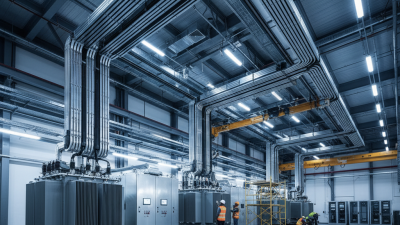
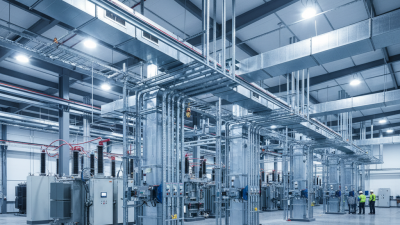
Bus bar trunking systems (BBTS) offer a modern solution for electrical distribution. These systems consist of insulated conductors housed in a casing, making them a safer and more efficient option compared to traditional wiring. According to the latest market analysis, the global bus bar trunking system market is projected to reach $5.5 billion by 2028, reflecting an increasing demand for efficient power distribution in large commercial and industrial facilities.
When choosing a bus bar trunking system, consider factors like load capacity, installation space, and environmental conditions. Make sure to evaluate your specific requirements carefully. It's essential to select a system that can handle your electrical load while allowing for future scalability. A report from the International Electrotechnical Commission emphasizes that incorrect sizing can lead to energy inefficiencies and increased operational costs.
Tip: Always consult an experienced electrical engineer before making a final decision.
Remember, quality matters. Not all bus bar systems are created equal. There can be inconsistencies in installation quality or material durability among options. It's important to scrutinize the specifications and standards each system adheres to. Researching user experiences can provide insight into potential issues with longevity or performance.
Tip: Gather feedback from industry professionals to avoid common pitfalls.
How to Choose the Right Bus Bar Trunking System for Your Needs?
| Dimension |
Specifications |
Advantages |
Considerations |
| Current Rating |
Up to 4000A |
High load capacity |
Ensure compatibility with your application |
| Protection Rating |
IP30, IP55 |
Dust and water resistance options |
Assess environmental conditions |
| Material |
Copper, Aluminum |
Good conductivity and durability |
Weight and cost differences |
| Installation Type |
Surface-mounted, Flush-mounted |
Versatile installation options |
Space constraints and aesthetics |
| Length Options |
1m, 2m, Custom |
Flexible in design |
Confirm required length needs |
Factors to Consider When Choosing a Bus Bar Trunking System
Choosing the right bus bar trunking system requires careful consideration. Start by evaluating your power distribution needs. The system must support your load requirements, ensuring efficiency and safety. Identify the maximum current capacity your setup will require. Remember, underestimating can lead to overheating and equipment failure.
Assess the environmental factors where the trunking system will be installed. Outdoor installations must withstand the elements, while indoor settings may face space constraints. Compatibility with existing electrical systems is also crucial. You want to avoid unexpected integration issues later on.
Tip: Always consult with a professional. They can offer insights based on their experience. A small miscalculation can lead to significant costs.
Another point to ponder is the maintenance required for the trunking system. Some systems may need more frequent checks than others. Choose a solution that aligns with your maintenance capabilities.
Tip: Look for systems with easy access points. This can simplify routine inspections and repairs. A cumbersome design may deter proactive maintenance, leading to performance issues.
Types of Bus Bar Trunking Systems and Their Applications
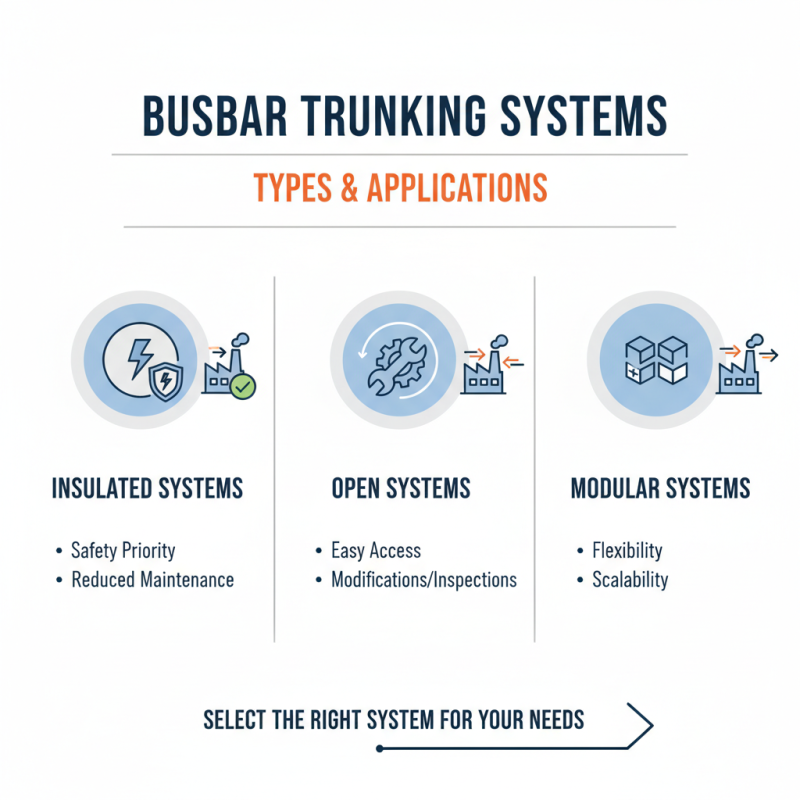
When selecting a bus bar trunking system, understanding the types and their applications is essential. There are several variations available. The most common types include insulated, open, and modular systems. Insulated systems are suitable for environments where safety and reduced maintenance are priorities. They effectively minimize the risk of electric shocks. Open systems, in contrast, facilitate easier access for modifications and inspections, making them ideal for dynamic industrial settings.
Different applications require specific configurations. For instance, modular bus bar trunking systems are highly flexible and suitable for large commercial buildings. They allow easy expansion while maintaining optimal performance. Alternatively, insulated systems are beneficial in harsh environments such as power plants. Their robust design offers longevity and reliability.
**Tip:** Consider future expansions when choosing a bus bar trunking system. Flexibility can save costs later.
Moreover, installation requirements vary by type. Some installations may require less space than others. Understanding your unique needs is crucial for avoiding costly adjustments down the line.
**Tip:** Always consult with engineering experts to assess installation environments. Early input can prevent mistakes in the long run.
Evaluating Efficiency and Cost-Effectiveness for Your Needs
When selecting a bus bar trunking system, efficiency and cost-effectiveness are crucial factors. According to industry reports, a well-designed bus bar can improve energy distribution efficiency by up to 30%. This reduction not only lowers operational costs but also extends the lifespan of electrical components. Users should consider the initial investment versus long-term savings. For instance, systems with higher current ratings may have a higher upfront cost but offer substantial energy savings over time.
Cost-effectiveness often hinges on maintenance requirements. Some systems demand more frequent upkeep, resulting in additional expenses. Research indicates that simplified designs reduce maintenance by 40%. Users unsure about their needs should analyze their load requirements and future expansion plans. Not every trunking system fits all scenarios. Investing in a customizable solution may incur greater initial costs but provides flexibility in the long run.
Ultimately, the balance between efficiency and cost must be tailored to specific applications. Companies that overlook these details may face unexpected expenses. A thorough evaluation of both current capacities and future needs ensures that the chosen system is both efficient and aligns with budget expectations. This thoughtful approach can prevent costly miscalculations, guiding users towards a more sustainable and economically sound choice.
Efficiency and Cost-Effectiveness of Bus Bar Trunking Systems
Installation and Maintenance Requirements for Bus Bar Systems
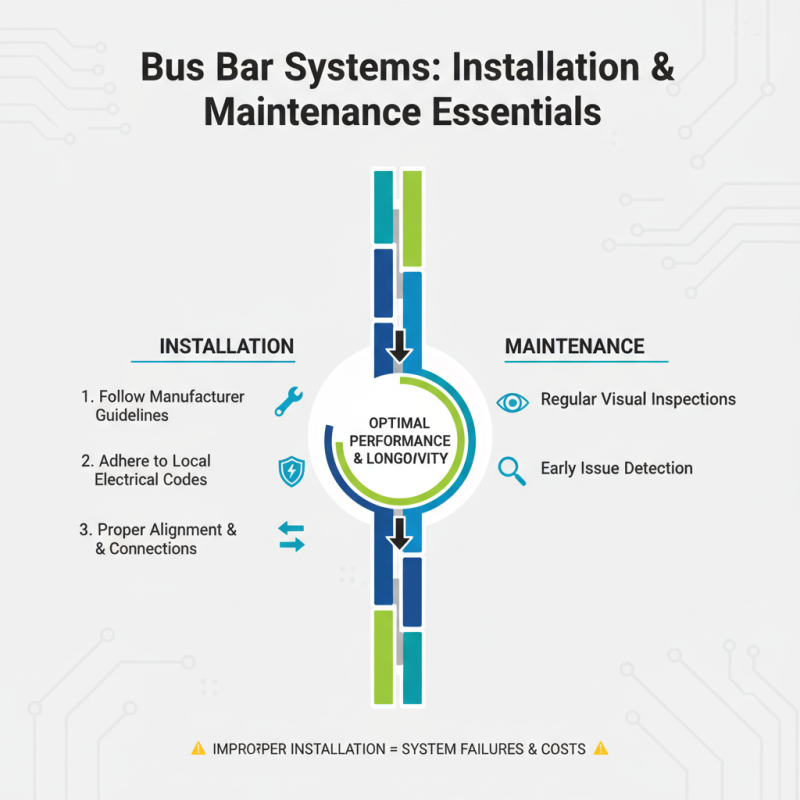
When selecting a bus bar trunking system, understanding installation and maintenance is crucial. Proper installation ensures optimal performance and longevity. Industry reports suggest that improper installation can lead to system failures, costing organizations both time and money. It’s essential to follow manufacturer guidelines and local electrical codes during installation. Regular checks can help detect potential issues early, reducing downtime.
Maintenance is another critical aspect. According to research from electrical industry analysts, around 30% of maintenance issues arise from inadequate upkeep. Schedule inspections at least twice a year. Look for signs of wear, such as overheating or unusual noises. Cleaning the bus bar system helps maintain efficiency. Dust and debris can lead to poor conductivity.
Tips: Always have a trained technician perform the installation. Consider creating a maintenance log to track inspections and repairs. Evaluate your system every few years; this can uncover hidden problems before they escalate. Keeping good records aids in compliance and future decisions. A proactive approach will help maximize the lifespan of your bus bar trunking system.