China Top Busway Systems Electrical Innovations and Trends?
The landscape of Busway Systems Electrical is rapidly evolving. Recent reports indicate a significant push towards electrical innovations in public transportation systems across China. With urbanization increasing, the demand for efficient systems grows. According to the "2022 China Intelligent Transportation Report," key cities are investing heavily in modern Busway Systems.
Innovative design plays a crucial role in this sector. Busways must accommodate higher capacities efficiently. Reports show a 30% increase in the need for bus electrical systems over the past five years. Despite this growth, challenges remain. Many existing infrastructures struggle to adapt to these new technologies, leading to operational inefficiencies. Industry insights indicate that without proper upgrades, cities may face service disruptions.
Sustainability is another pressing concern. As China aims for carbon neutrality by 2060, greener Busway Systems Electrical options become essential. Transitioning to electric buses can reduce emissions significantly. However, the current power supply frameworks may need reevaluation. Investing in more advanced electrical systems ensures a reliable transition. Ultimately, the future of Busway Systems Electrical will depend on overcoming these challenges.
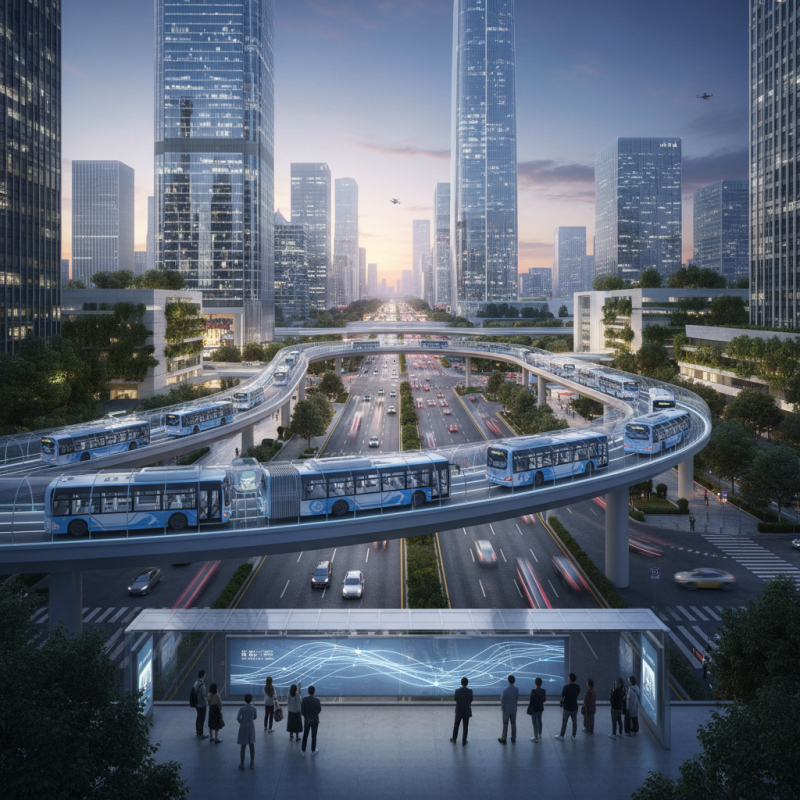
China's Leading Busway Systems: An Overview
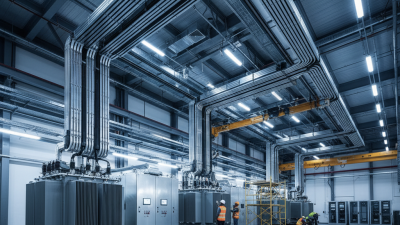
China has rapidly advanced in busway systems, becoming a leader in engineering and design. These busway systems are essential for efficient electricity distribution in large facilities. Recent studies indicate that the market for busway systems in China is projected to reach over $3 billion by 2025. Such growth highlights the importance of innovation in the sector.
The focus on electrical innovations includes the integration of smart technology. Many busway systems now feature monitoring capabilities for better energy management. This shift toward smart solutions aims to minimize energy losses and enhance reliability. However, this rapid advancement raises questions about cybersecurity vulnerabilities. As systems become more connected, protecting them from cyber threats must be a priority.
Moreover, sustainability is a central theme in busway system development. Manufacturers are increasingly exploring eco-friendly materials. Recent reports mention that using recyclable materials could reduce environmental impact significantly. Yet, the industry still faces challenges, such as balancing cost and sustainability. Addressing these concerns will be crucial for the future of busway systems in China.
Key Electrical Innovations in China's Busway Technology
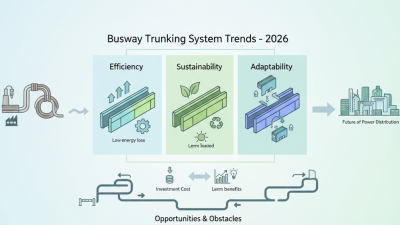
China's busway systems are rapidly evolving, driven by electrical innovations that enhance performance and sustainability. A significant trend is the integration of smart technologies. These systems utilize IoT sensors to monitor electricity flow. This real-time data helps optimize energy consumption and improve reliability.
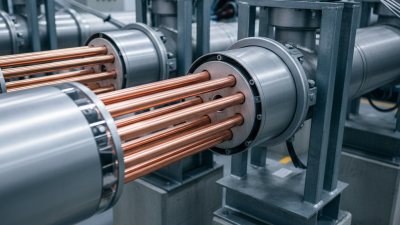
Another key innovation is the development of lightweight materials for busway components. This reduces the overall weight and enhances efficiency. Some designs now feature modular components for easy installation and maintenance. However, the challenge lies in maintaining durability amidst these innovations.
Moreover, the push for renewable energy sources is reshaping busway technology. Solar panels are being incorporated to power the systems. Yet, there are concerns about the efficiency of energy conversion. In addition, the reliance on tech-heavy systems raises questions about long-term sustainability and maintenance costs. As China advances in this field, continuous improvement and assessment will be vital.
Key Electrical Innovations in China's Busway Technology
Emerging Trends in Busway System Design and Efficiency
Emerging trends in busway system design focus on enhancing efficiency and sustainability. New innovations incorporate lightweight materials that reduce energy consumption. Furthermore, integrated smart technology enables real-time monitoring of energy use. These advancements can facilitate faster adjustments during peak hours and minimize downtime.
Regular maintenance is crucial for optimal performance. Over time, wear and tear can affect busway systems. Ensure that checking connections and replacing outdated components becomes part of your routine. By doing so, you can enhance overall reliability.
Another trend is the shift towards modular designs. Modular busways allow for easier installation and upgrades. They can adapt to changing urban environments and improve scalability. However, developers must consider potential challenges, such as compatibility with existing infrastructure. Constructive reflection on these elements can lead to better solutions.
Comparative Analysis of Chinese and Global Busway Solutions
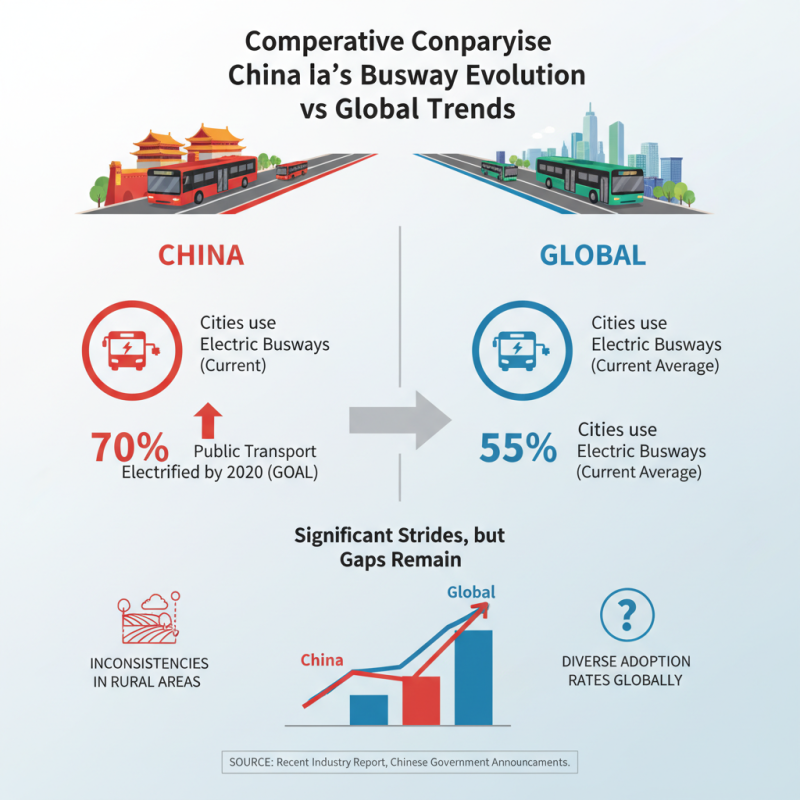
China has made significant strides in busway systems, yet global comparisons highlight gaps. In a recent industry report, 70% of cities in China now utilize some form of electrical busway technology. This is higher than the global average of 55%. The Chinese government aims to have over 80% of its public transport electrified by 2030. However, implementation has often been inconsistent in rural areas.
The technological advancements in Chinese busway systems include rapid charging capabilities. These buses can recharge during brief stops, boosting operational efficiency. In contrast, many global systems still rely on slower charging methods. Data shows that urban transit times can improve by up to 25% with rapid charging technologies. Nonetheless, urban congestion remains a persistent issue in major cities.
Furthermore, investments in electric bus infrastructure continue to rise. By the end of 2022, funding reached approximately $10 billion. Despite this, challenges such as battery disposal and maintenance costs require deeper analysis. It's essential for China to learn from global best practices while recognizing its unique challenges. Balancing rapid growth and sustainable practices is key for the future of public transportation in China.
Future Prospects for Busway Electrification in Urban Transport
Urban transport is undergoing a significant transformation with the introduction of
busway electrification. This innovation aims to reduce reliance on
fossil fuels and improve air quality in cities. The trend is evident in many urban areas where
electric busways are being implemented. This shift not only enhances efficiency
but also aligns with global sustainability efforts. Cities are recognizing the urgency to embrace
renewable energy solutions for public transportation.
Tips: Look for cities leading in electric busway projects. These examples can provide insights into effective practices and potential challenges.
As busway systems evolve, so do the technologies powering them. Innovations in
battery systems and
charging infrastructure play a crucial role in this evolution.
Fast-charging stations are now being integrated to facilitate quicker turnarounds. However, the scalability of these technologies remains
a challenge. Cities must consider infrastructure investments to accommodate
growing electric fleets.
Tips: Consider potential partnerships with local governments to support infrastructure development.
Collaboration can be key to overcoming logistics challenges in electrification.
The future of busway electrification is promising yet uncertain. While advancements are being made, cities face hurdles in
funding and public acceptance. The transition to electric systems
must engage communities for broader support. These challenges highlight the need for ongoing
dialogue and innovative solutions in urban transport.