What is a Feeder Busduct and Its Benefits for Businesses?
In today’s industrial landscape, the efficiency of electrical distribution systems is paramount. Feeder Busduct systems represent a modern solution for businesses aiming to optimize their power management. According to a report by the International Electrotechnical Commission, the market for busducts is projected to grow significantly, driven by the demand for energy-efficient solutions.
The Feeder Busduct is a compact and versatile conductor system that offers various benefits, including reduced installation costs and improved reliability. Emerging data shows that they can decrease installation time by up to 30%. This advantage can substantially lighten the overhead burden for companies undertaking renovations or new constructions.
However, not all businesses fully understand the complexities of integrating a Feeder Busduct into their infrastructure. Some firms may overlook potential challenges, such as initial investment concerns or maintenance requirements. Addressing these issues is crucial for maximizing the benefits of adopting this technology while ensuring a seamless transition.
Definition of Feeder Busduct and Its Components
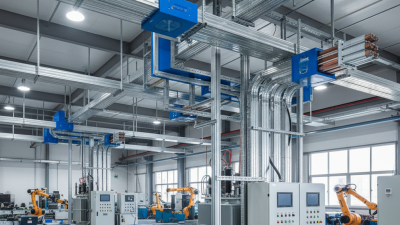
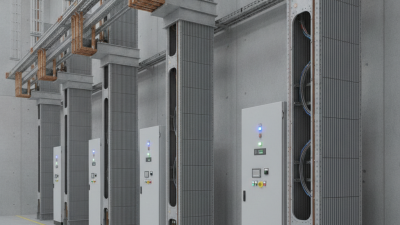
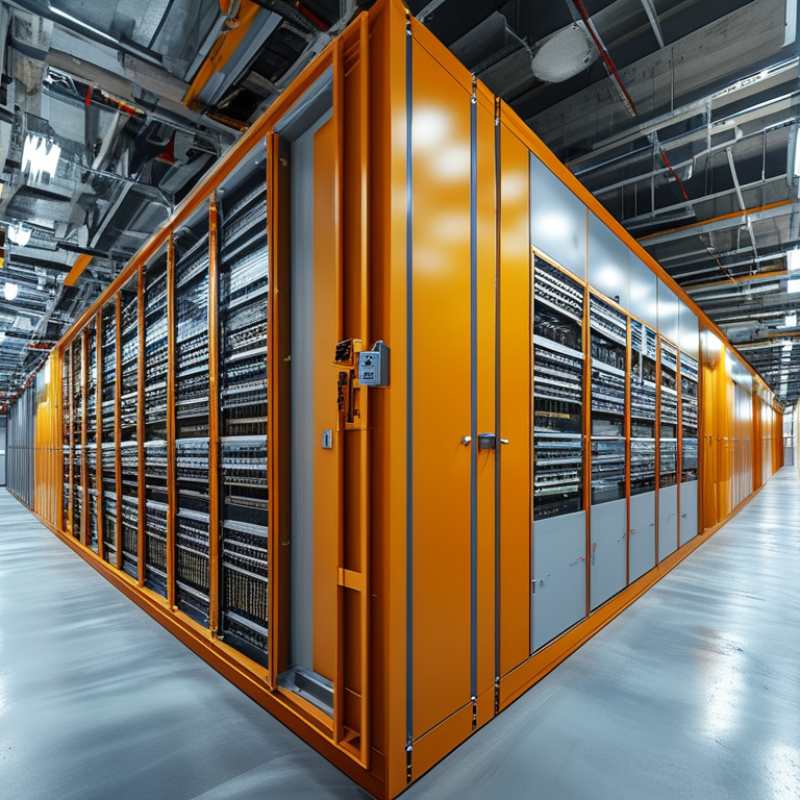
A feeder busduct is a vital electrical distribution system used in various industries. It serves as a bridge between transformers or switchgear and electrical equipment. Its main components include bus bars, insulation materials, and enclosure systems. Bus bars are the conductive elements that carry electrical current. The insulation material is crucial for safety, preventing short circuits and electrical failures. The enclosure protects the entire system from environmental factors and physical damage.
One key benefit of a feeder busduct is its efficient space utilization. Unlike traditional wiring, which requires extensive cabling, a busduct significantly reduces the need for additional installation space. This is particularly beneficial in industrial settings where space is limited. Furthermore, installation can be faster and require fewer labor resources. However, improper installation could lead to serious issues, highlighting the need for skilled professionals.
When considering a feeder busduct, remember its scalability. These systems can grow with your business needs. Still, it's essential to evaluate future demands accurately. Overestimating capacity can lead to increased costs, while underestimating may result in inefficiencies. Careful planning and consultation with experts are crucial in this regard. It's this blend of technical insight and practical application that makes understanding feeder busducts essential for businesses today.
Benefits of Feeder Busduct for Businesses
Advantages of Feeder Busduct for Industrial Applications
Feeder busduct systems are essential in modern industrial applications. They offer a streamlined way to distribute electrical power to various equipment. This setup reduces the risks associated with traditional wiring methods. The modular design allows for easy installation and maintenance.
One significant advantage of feeder busducts is their space efficiency. They require less physical space compared to conventional cabling systems. This is particularly beneficial in factories and manufacturing units where every square foot counts. Additionally, feeder busducts provide excellent thermal performance. This can help prevent overheating and enhance overall system reliability.
However, there are considerations to address. The initial investment can be higher than conventional wiring. Businesses must weigh the long-term benefits against upfront costs. Proper installation and regular inspections are crucial to maximize the system’s efficiency. Investing in trained professionals is vital to ensure optimal performance. Balancing cost and reliability is key for any organization considering feeder busduct systems.
What is a Feeder Busduct and Its Benefits for Businesses? - Advantages of Feeder Busduct for Industrial Applications
| Benefit |
Description |
Applications |
Efficiency Improvement (%) |
| Space Saving |
Feeder busducts have a compact design that saves floor space compared to conventional wiring methods. |
Factories, Warehouses |
30% |
| Improved Safety |
Reduced risk of electrical hazards due to enclosed design and better insulation. |
Commercial Buildings, Industrial Sites |
50% |
| Easy Installation |
Simplified setup process reduces installation time and labor costs. |
Renovations, New Constructions |
40% |
| Flexibility |
Allows for easy reconfiguration of power distribution without significant downtime. |
Manufacturing, Data Centers |
20% |
| Reduced Maintenance |
Longer lifespan and fewer components lead to lower maintenance needs. |
Utilities, Large Facilities |
25% |
Comparison of Feeder Busduct with Traditional Power Distribution Systems
Feeder busduct systems offer distinct advantages over traditional power distribution methods. They maximize space efficiency by utilizing compact design. This allows for easy installation in various environments, from large factories to commercial buildings. Unlike bulky cable systems, busducts streamline wiring, reducing clutter and enhancing accessibility.
When comparing feeder busducts to conventional systems, safety is a significant factor. Busducts are generally enclosed, minimizing the risk of electrical hazards. Traditional systems often expose wiring, increasing the chances of damage or short circuits. With a busduct, maintenance becomes simpler and safer, as technicians can access the system without navigating complex cable layouts.
Despite their advantages, feeder busducts are not without drawbacks. Initial installation costs can be higher than traditional methods. Some businesses may hesitate to adopt them due to perceived complexity. Transitioning from existing systems requires careful planning and assessment. Further, understanding their full benefits may take time. A thorough evaluation can reveal if a feeder busduct is the right choice for a particular application.
Installation Considerations for Feeder Busduct in Businesses
When considering the installation of a feeder busduct, businesses must evaluate several critical factors. Feeder busducts provide an efficient way to distribute electrical power. However, proper planning is essential. A well-installed busduct can enhance power distribution efficiency by up to 25%, leading to lower operational costs. The system's layout should accommodate the facility's future growth and potential expansions.
It is vital to assess the load requirements accurately. Studies indicate that incorrect sizing can lead to overheating and system failures. Conducting a thorough analysis of current and future power needs can help avoid these issues. Additionally, the physical environment impacts installation. Factors like humidity and temperature should be considered for long-term reliability.
Safety is another crucial aspect. Ensuring that busducts meet relevant electrical codes and standards is fundamental. Regular maintenance safeguards the overall system integrity. Many businesses overlook this, leading to costly downtime. By prioritizing these considerations, companies can better leverage the advantages of feeder busduct systems while ensuring a stable and efficient power supply.
Cost-Efficiency and Sustainability Benefits of Using Feeder Busduct
Feeder busduct systems are gaining popularity in modern electrical infrastructure. These systems offer numerous advantages, particularly in cost-efficiency and sustainability. A recent industry report highlights that businesses can reduce energy losses by up to 30% with the implementation of feeder busducts. This efficiency directly translates into significant cost savings on electricity bills.
Sustainability is another critical aspect. Feeder busducts are designed for reduced copper usage compared to traditional wiring systems. For instance, studies show that using busduct can decrease raw material consumption by approximately 20%. This shift not only lowers material costs but also minimizes the environmental impact. Businesses adopting this technology often find themselves aligning better with green initiatives, making them more appealing to eco-conscious consumers.
However, the installation and maintenance of feeder busducts can be challenging. Companies must ensure that their staff are adequately trained to handle these systems. It is also essential to evaluate whether the initial investment aligns with long-term savings goals. Without proper planning, some businesses may face unexpected costs. Balancing upfront expenses against future benefits is a common dilemma that requires careful consideration.