Top 10 Busways in Electrical Systems for Efficient Power Distribution?
In the increasingly complex world of electrical distribution, the importance of busways in electrical systems cannot be overstated. Industry expert Dr. Angela Hargrove, a leading consultant in electrical engineering, once remarked, “The efficiency of power distribution hinges on our choice of busways.” This statement highlights the critical role busways play in modern electrical systems.
Busways in electrical systems are integral components that facilitate efficient power distribution. Their design impacts performance, safety, and overall reliability of electrical systems. Various types exist, each serving unique functions and environments. Selecting the right busway can make or break system effectiveness. It’s essential to evaluate their specifications carefully, as this decision influences operational costs and energy savings.
However, it's essential to acknowledge that not all busway systems are flawless. Some may face issues like overheating or inadequate load capacity under specific conditions. Understanding these potential pitfalls enables engineers to design more resilient systems. The exploration of the top ten busways in electrical systems will provide insights into effective solutions that maximize efficiency.
Overview of Busways in Electrical Distribution Systems
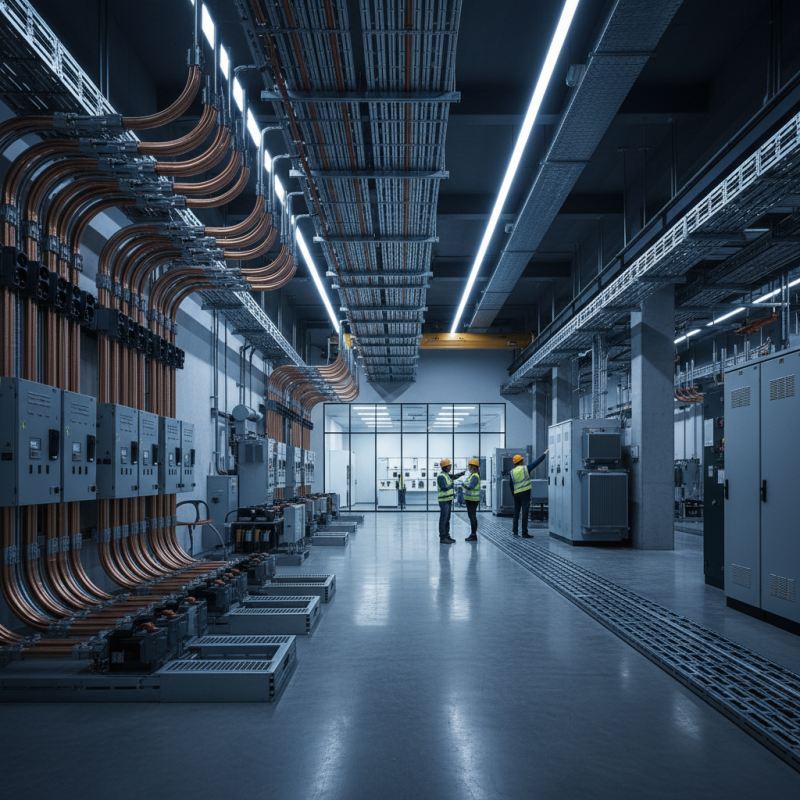
Busways are essential in electrical distribution systems. They enable efficient, high-capacity power distribution across various industries. A recent report indicated that using busways can enhance energy efficiency by up to 20%. This is largely due to their compact design and reduced resistance. A well-designed busway system minimizes energy losses and ensures stable voltage levels throughout the network.
Moreover, busways offer flexibility in installation and room for future expansion. For instance, the National Electrical Manufacturers Association (NEMA) emphasizes the adaptability of busways for changing facility layouts. This is particularly important in sectors where technology rapidly evolves. However, the initial installation cost can be higher than traditional wiring methods. Careful planning is essential, and organizations need to weigh the long-term benefits against initial expenses.
Safety is another critical aspect. Proper grounding and installation practices are vital in ensuring reliability. According to the International Electrotechnical Commission (IEC), inadequate installation can lead to increased fault currents. This emphasizes the importance of expert installation and adherence to standards. While busways offer many advantages, ignoring safety protocols can lead to significant risks. Understanding both the benefits and challenges of busway implementation is crucial for effective power distribution.
Top 10 Busways in Electrical Systems for Efficient Power Distribution
| Busway Type |
Material |
Current Rating (A) |
Efficiency (%) |
Applications |
| Copper Busway |
Copper |
4000 |
98 |
Industrial, Commercial |
| Aluminum Busway |
Aluminum |
3000 |
95 |
Data Centers, Factories |
| Square D Busway |
Steel |
2000 |
97 |
Commercial Building |
| Glass Reinforced Busway |
Composite |
2500 |
96 |
Power Plants |
| Modular Busway |
Aluminum |
1800 |
94 |
Telecommunication |
| Open Busway |
Copper |
3500 |
99 |
Mining Operations |
| Flexible Busway |
Aluminum |
500 |
90 |
Temporary Installations |
| Insulated Busway |
Insulated Metal |
1500 |
92 |
Transportation Sector |
| High-Density Busway |
Copper |
4200 |
97 |
Heavy Industries |
| Bussed Busway |
Steel |
600 |
93 |
General Use |
Comparison of Various Busway Types and Their Applications
Busways are pivotal in electrical systems, delivering efficient power distribution across various applications. They consist of conductors housed within a protective casing, offering advantages such as reduced space and easier installation. The type of busway chosen can significantly impact efficiency and cost.
For instance, a report by the Electric Power Research Institute highlighted that copper busways can be 10-15% more efficient than aluminum. However, aluminum busways are lighter and often more cost-effective. Applications in commercial buildings often prefer copper for its superior conductivity, while industrial settings might choose aluminum for budget considerations.
Tips: Consider intended usage before selecting a busway type. Assess installation space and potential load requirements to make the best choice.
It's essential to acknowledge that while busways offer several benefits, they also have limitations. For example, proper installation practices must be followed to avoid overheating. Miscalculated load factors can lead to failures, negatively impacting system performance. Ensuring that engineers are well-trained can mitigate these failures.
Tips: Regular maintenance checks can prevent long-term issues. Always stay updated with the latest industry standards for optimal performance.
Design Considerations for Efficient Busway Installation
When designing busways for efficient power distribution, several critical considerations arise. The layout should optimize space without sacrificing accessibility. Proper spacing between busbars allows for better air circulation. This minimizes overheating, a common issue in densely packed electrical installations. Additionally, easy access to connections ensures quicker maintenance and troubleshooting.
Load calculations are essential in the planning phase. Engineers must account for potential electrical demands. Overestimating or underestimating loads can lead to inefficient power distribution. Integrating design redundancy is wise. This can prevent failures during peak demands. Furthermore, ensuring grounding and bonding measures are in place enhances safety. Many may overlook these details, but they are vital for compliance and reliability.
Material selection is another cornerstone of busway installation. The choice impacts both efficiency and longevity. Suitable materials can withstand harsh environments and mitigate wear over time. However, cost is always a factor. Striking a balance between quality and budget can be challenging. Ultimately, understanding these design considerations ensures a well-functioning electrical system. Careful planning fosters confidence in your installation.
Advantages of Using Busways Over Traditional Wiring Methods
Busways have gained popularity in electrical systems for several compelling reasons. They offer flexibility in design and installation. Unlike traditional wiring methods, busways allow easy reconfiguration as system demands change. This adaptability is crucial in modern facilities that undergo regular upgrades. Furthermore, busways often reduce installation time, which can help lower labor costs.
Choosing busways can also enhance safety. They minimize the risk of overheating compared to conventional wiring. The enclosed design helps to contain energy and limits exposure. Thus, the risk of electrical faults decreases.
Tips for implementation: Consider future needs when designing the layout. Busways should accommodate potential expansions. Regular maintenance checks are essential to ensure system reliability. Additionally, training staff on proper usage can enhance safety and efficiency. Think critically about your electrical distribution. Reflect on whether you can replace outdated methods with more effective solutions.
Future Trends in Busway Technology and Innovations
In recent years, innovations in busway technology have gained traction within the electrical systems sector. For instance, the global busway market is expected to grow at a compound annual growth rate (CAGR) of 6.5% by 2026, reaching around $7 billion. This growth is driven by the increasing demand for efficient power distribution systems in commercial and industrial settings.
One notable trend is the integration of smart technologies. Smart busways can monitor electrical parameters in real time. They significantly enhance system reliability and efficiency. Additionally, these systems can include advanced diagnostics features that predict maintenance needs. Reports suggest that predictive maintenance could reduce downtime by up to 30%.
Another area of development is sustainability. Many manufacturers are now focusing on eco-friendly materials. These initiatives aim to minimize the carbon footprint of busway installations. However, challenges remain. Finding the right balance between cost, durability, and environmental impact is difficult. Innovations must be practical and economically viable for widespread adoption. As the industry evolves, fostering collaboration between engineers and manufacturers will be essential in meeting these demands.
Top 10 Busways in Electrical Systems for Efficient Power Distribution