The Best 10 Busduct Electrical Solutions for Efficient Power Distribution?
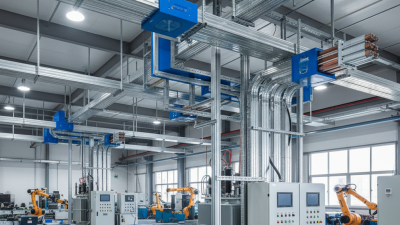
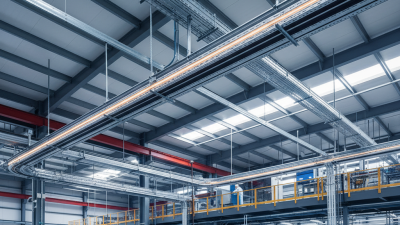
Busduct Electrical systems play a vital role in modern power distribution. Industry expert John Smith, a leading authority on electrical solutions, states, “Efficient power distribution hinges on the right busduct design.” As urban energy demands surge, businesses require reliable electrical solutions that minimize losses and enhance efficiency.
Busducts offer several advantages. Their compact design allows for easier installation in limited spaces. They are also more adaptable to future expansions. However, not all busduct electrical systems are created equal. Selecting the right busduct requires careful consideration of factors like current capacity and installation environment.
While busducts can improve efficiency, they may pose challenges. Installation costs can be higher than traditional systems. Additionally, improper design choices can lead to ineffective power distribution. Therefore, thoughtful planning is essential. The pursuit of optimal busduct electrical solutions continues to evolve as technology advances.

The Importance of Busducts in Modern Electrical Systems
Busducts play a crucial role in modern electrical systems. They provide an efficient solution for power distribution in commercial and industrial buildings. Unlike traditional wiring methods, busducts are safer and easier to install. They can handle higher electrical loads and save valuable space. Proper installation and maintenance of busducts are essential for ensuring system reliability.
When considering busduct systems, think about the overall layout. Optimize the design to reduce energy loss and improve efficiency. Choose quality materials that can withstand harsh environments. Regular inspections can prevent issues from snowballing into costly problems.
Consider these tips when working with busducts. Ensure proper grounding, as poor grounding can lead to electrical failures. Use thermal imaging to identify hotspots that could indicate loose connections. Additionally, always adhere to local safety codes and standards. Regular training for maintenance staff can enhance their understanding of busduct systems.
The Best 10 Busduct Electrical Solutions for Efficient Power Distribution
This chart presents the power distribution efficiency of various busduct types. As seen in the data, Busduct Type D exhibits the highest efficiency at 95%, while Busduct Type F shows the lowest at 70%. Understanding these efficiencies is crucial for selecting the right electrical solutions for modern systems.
Key Benefits of Using Busducts for Power Distribution Efficiency
Busducts have become a key player in efficient power distribution systems. They provide an innovative solution to power delivery in commercial and industrial settings. One significant advantage is their ability to handle high power loads. This reliability ensures that facilities operate smoothly without interruptions.
In addition to their capacity, busducts offer flexible installation options. They can be adapted to various layouts, making them suitable for changing environments. This flexibility allows businesses to modify their power distribution as needed. However, selecting the right configuration can be challenging. It requires careful consideration of the specific needs and future growth of a facility.
Another advantage is the reduced installation time. Unlike traditional wiring systems, busducts can be installed quickly. This quick installation minimizes downtime for businesses. However, it’s vital to involve qualified professionals in the installation process. Proper installation is crucial for ensuring long-term reliability. Businesses should always assess their unique needs before making decisions.
Comparative Analysis of Busduct Materials: Aluminum vs. Copper
When considering busduct electrical solutions, the choice between aluminum and copper materials is crucial. Aluminum is lightweight and cost-effective. It has a higher resistance to corrosion, making it ideal for humid or industrial environments. However, aluminum has lower conductivity compared to copper. This means that larger cross-sectional areas may be required.
On the other hand, copper boasts superior electrical conductivity. It occupies less space for the same current capacity. This can lead to more compact installations. However, copper is heavier and typically more expensive. Its corrosion resistance is slightly lower than that of aluminum, which can be a concern in certain conditions.
Both materials have their advantages and drawbacks. The decision often hinges on specific project needs. Is cost a driving factor? Or is space a constraint? Sometimes, opting for a slightly lower performance may prove beneficial in budget-sensitive projects. Always consider long-term impacts on efficiency and maintenance. Balancing these factors can lead to optimal power distribution solutions.
The Best 10 Busduct Electrical Solutions for Efficient Power Distribution
| Material |
Conductivity (IACS %) |
Weight (kg/m) |
Cost ($/m) |
Thermal Conductivity (W/mK) |
Durability (Years) |
| Aluminum |
61 |
10.5 |
15 |
205 |
50 |
| Copper |
100 |
8.96 |
30 |
401 |
40 |
| Aluminum Alloy |
50 |
10.7 |
20 |
180 |
45 |
| Tin-Plated Copper |
95 |
8.9 |
35 |
390 |
35 |
| Carbon Steel |
10 |
7.85 |
12 |
50 |
30 |
Current Ratings and Thermal Management in Busduct Applications
In the realm of busduct applications, current ratings play a crucial role in ensuring safe and efficient power distribution.
It's essential to select busducts that can handle the required current load without overheating. Proper thermal management directly impacts the system's reliability.
Misjudged ratings may lead to equipment failure or system downtime.
Thermal management techniques are diverse, including air cooling and thermal insulation.
Implementing effective cooling strategies is vital. Failure to address heat buildup can result in insulation damage or even fire hazards.
Regular thermal assessments help identify potential issues before they escalate.
However, not all installations meet ideal conditions. Factors such as environmental constraints and installation variables can complicate matters.
Rigorous testing and simulations are necessary to gauge performance under different loads.
It's important to remain vigilant and adjust systems based on real-time data.
Adjustments are key to optimizing performance and longevity in busduct applications.
Innovative Busduct Designs Enhancing Safety and Reliability
Innovative busduct designs are truly transforming the landscape of electrical distribution. They enhance safety and reliability in a way traditional systems cannot. For example, advanced insulation materials greatly reduce the risks of electrical faults. This leads to fewer outages and greater operational efficiency. As systems evolve, effective heat dissipation designs contribute to longevity. Improved airflow keeps components cool and functional.
However, innovation often comes with challenges. New designs require careful integration with existing infrastructure. Upgrading can be costly, and not all facilities can accommodate these changes. Additionally, the learning curve for installation and maintenance might hinder smoother transitions. While innovation is essential, it is crucial to ensure the workforce is prepared. Training staff effectively will help mitigate these issues and foster a culture of safety.
Collaboration among engineers, electricians, and manufacturers is vital for long-term success. Continuous feedback loops can guide improvements in busduct systems. Frequent evaluations of both performance and safety protocols can identify opportunities for growth. Real-world applications can reveal flaws that may require strategic adjustments. Emphasizing a culture of reflection ensures that innovations meet the highest standards of safety and reliability.