Essential Tips for Choosing the Right Bus Duct in Electrical Systems?
When it comes to designing electrical systems, the selection of the right bus duct is crucial. James Thompson, a leading expert in bus duct installations, emphasizes, "Choosing the appropriate bus duct can significantly impact system efficiency and reliability." His words resonate in an industry where precision matters.
Bus ducts serve as the backbone of electrical distribution. They facilitate power transfer while ensuring safety. However, selecting the wrong bus duct can lead to inefficiencies or even failures. Consider factors like current ratings, environmental conditions, and material quality. Each element can influence the overall performance of the electrical system.
Despite advancements, challenges remain. Some engineers overlook the importance of thorough calculations and testing. This can result in costly retrofits or increased maintenance. It's essential to reflect on these details. A careful, informed choice in bus duct selection can make all the difference in any electrical project.
Understanding Bus Duct: Definition and Applications in Electrical Systems
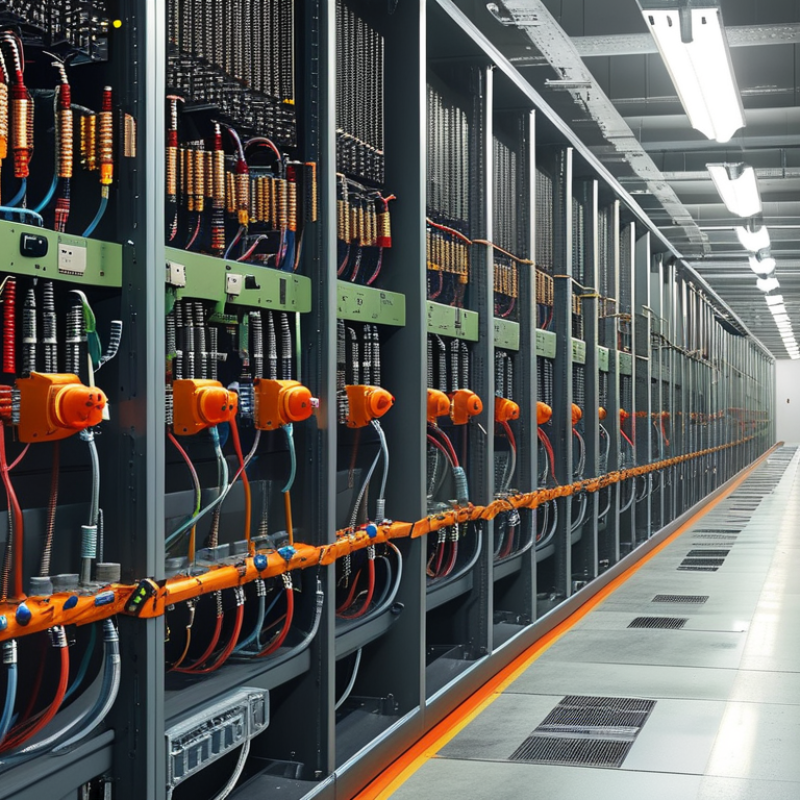
Bus ducts are vital components in electrical systems. They serve as conduits for electricity, connecting transformers and distribution panels. This system enhances efficiency, safety, and reliability. According to industry reports, bus ducts reduce the risk of electrical faults and minimize energy losses by up to 10%. This is crucial for industrial and commercial applications where power management is essential.
Understanding the applications of bus ducts is fundamental. In manufacturing facilities, they provide flexible connections for heavy machinery. Data centers use them to facilitate power distribution without excessive wiring. A survey by the Electrical Power Research Institute highlighted that over 30% of power interruptions are caused by wiring failures. Bus ducts, with their robust design, can mitigate this issue.
Considerations for selecting a bus duct include conductor material, insulation type, and system layout. Copper and aluminum are common materials, each with distinct advantages. Copper offers better conductivity but is more expensive. Aluminum is lighter and often used in large installations. Understanding these differences can lead to more effective choices in installation, ensuring long-term performance. Potential drawbacks, such as installation complexity and maintenance needs, should also be anticipated.
Key Factors to Consider When Selecting a Bus Duct
Choosing the right bus duct for your electrical system is crucial. Bus ducts ensure efficient power distribution. They connect transformers to switchgear and distribute electricity to various loads. Selecting the appropriate type can impact your system’s reliability and efficiency.
When considering a bus duct, focus on its material and design. Aluminum and copper are common materials, each with advantages. Copper conducts better but is heavier. Aluminum may be lighter, yet it requires care in connection methods. Pay attention to the environmental factors as well. Excessive heat or moisture can affect performance.
Don't overlook current rating and voltage drop. Ensure the bus duct can handle the maximum load without overheating. Evaluate the design to minimize resistive losses. A good design may require additional investment, but it pays off in energy savings. Consulting with experts can help navigate these decisions, but always weigh their advice against your unique needs. Sometimes, the best choice is not the most obvious one, and it’s worth reflecting on your specific requirements.
Material Selection for Bus Ducts: Pros and Cons
When selecting the right material for bus ducts in electrical systems, the decision can profoundly impact performance. Common materials include aluminum and copper, each with distinct advantages and drawbacks. Aluminum is lightweight and cost-effective, but it may not provide the same conductivity as copper. This could lead to increased energy loss, which is something that should be considered during the selection process.
Copper offers excellent conductivity and durability. However, it can be significantly heavier and more expensive than aluminum. This factor may create logistical challenges in installation and maintenance. Sometimes, the upfront investment in copper pays off in energy efficiency, but it requires careful evaluation of specific project needs.
It's important to also consider environmental factors. For example, what happens when materials degrade over time? Metals can corrode in harsh environments, leading to potential failures. Understanding the context in which a bus duct will operate is essential. Regular assessments and maintenance plans can help mitigate these risks. Ultimately, making an informed choice is vital for ensuring system reliability and longevity.
Evaluating Electrical Ratings and Specifications for Bus Ducts
When selecting bus ducts in electrical systems, evaluating electrical ratings and specifications is vital. These factors ensure that the bus duct meets the operational demands of your project. A recent industry report indicated that 70% of electrical failures stem from improper ratings. Choosing a bus duct with the right current carrying capacity is critical. For example, a duct rated for 1000A may not suffice if your system requires 1200A under peak conditions.
Furthermore, consider the voltage ratings carefully. Overvoltage can lead to insulation failure, which may disrupt operations. The National Electrical Manufacturers Association (NEMA) suggests that systems should have a safety margin in voltage ratings. Durability is another aspect to examine. Materials vary widely, and using substandard options can lead to system failures. An analysis shows that aluminum conductors, while lightweight and cost-effective, are prone to corrosion compared to copper alternatives.
Don’t overlook environmental ratings. The bus duct needs to withstand specific ambient conditions. For instance, a duct exposed to high humidity may require additional sealing. Insufficient protection can lead to degradation of the system over time. Data from the Institute of Electrical and Electronics Engineers (IEEE) highlights that 55% of installations fail due to environmental factors. Always question if the selected specifications truly align with your project needs.
Essential Tips for Choosing the Right Bus Duct in Electrical Systems
Installation and Maintenance Best Practices for Bus Duct Systems
When planning the installation of bus duct systems, attention to detail during the setup phase is critical. Industry studies indicate that approximately 30% of electrical system failures stem from improper installation techniques. This highlights the need for trained professionals to handle these systems, ensuring that connections are secure and the components align correctly. Proper torque settings should be strictly adhered to when fastening connections, as insufficient tightness can lead to overheating and potential failures.
Routine maintenance is essential for the longevity and reliability of bus duct systems. Experts suggest inspecting connections every six months. Cleaning and tightening connections can prevent problems later. It’s advisable to use specialized thermal imaging tools during inspections. These tools can identify hotspots that indicate a failing connection. Keeping a detailed log of inspections also helps to spot patterns that may require intervention.
Furthermore, always consider environmental factors. Humidity, dust, and temperature can all affect the performance of bus ducts. A recent report states that environments with high dust concentration see an increase in electrical interruptions by up to 20%. These factors should not be overlooked when selecting the location for installation. Being aware of these challenges will help in planning an effective maintenance schedule that mitigates risks and enhances the system's durability.