Top Benefits of Non Segregated Bus Duct for Efficient Power Distribution?
In the realm of electrical infrastructure, efficient power distribution is crucial. One highly regarded solution is the Non Segregated Bus Duct. This system enhances connectivity in various settings, from industrial plants to commercial spaces. It allows for streamlined power flow, reducing the risks of failures and downtime.
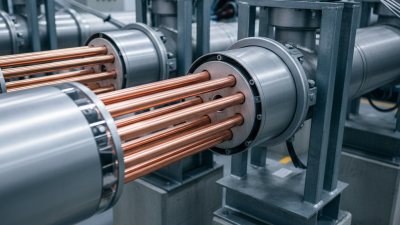
The Non Segregated Bus Duct features a compact design, making installation easier in tight spaces. Its construction minimizes heat loss, which is vital for maintaining system efficiency. However, users must understand that while the bus duct is designed for durability, it still requires regular maintenance for optimal performance.
While the advantages are compelling, potential challenges exist. For instance, improper installation can lead to safety hazards. Additionally, there may be cost considerations that affect project budgets. Recognizing these factors is essential for making informed decisions in power distribution systems. Ultimately, understanding the benefits and drawbacks of Non Segregated Bus Duct can lead to more effective and reliable energy management.
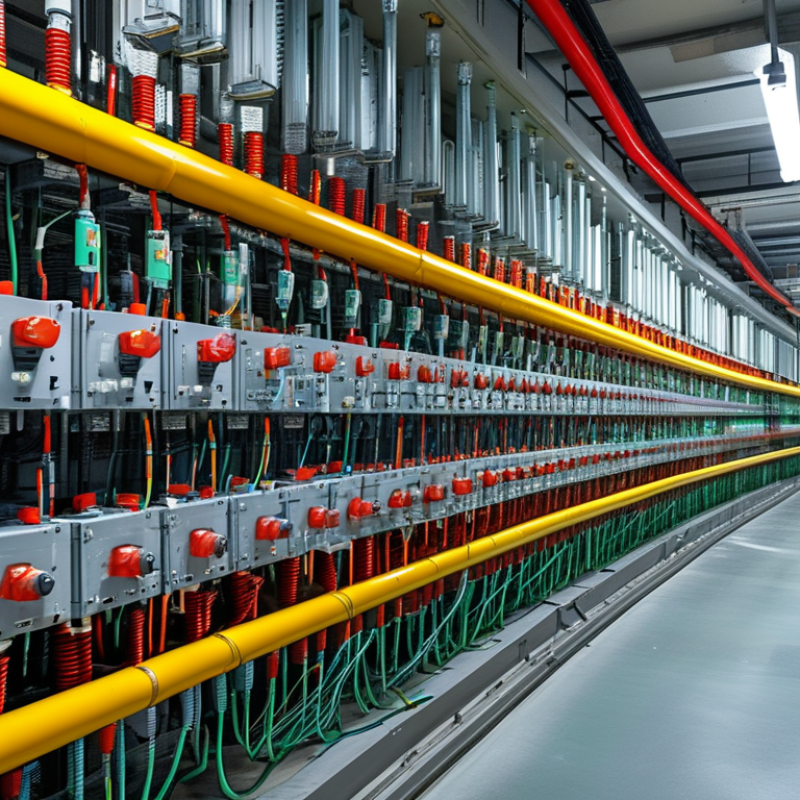
Understanding Non-Segregated Bus Duct and Its Functionality
Non-segregated bus ducts play a crucial role in modern power distribution systems. They are designed to carry large amounts of electrical power efficiently. According to a report from the International Energy Agency, non-segregated bus ducts can improve energy distribution efficiency by up to 15%. This makes them an attractive option for facilities with high energy demands.
The functionality of non-segregated bus ducts is rooted in their compact design. They allow for flexible layouts in electrical systems, which is beneficial for large industrial spaces. These systems require less space than traditional power distribution methods. However, attention must be given to installation best practices. Improper installation may lead to overheating or increased maintenance costs.
Moreover, non-segregated bus ducts are known for their lower risk of failure compared to other power distribution methods. A study in the Journal of Electrical Engineering found that facilities using these systems report 30% fewer outages. Still, continuous monitoring is essential to ensure long-term reliability. Regular inspections can prevent costly downtimes and maintain efficiency, highlighting the importance of a proactive maintenance approach.
Top Benefits of Non Segregated Bus Duct for Efficient Power Distribution
| Benefit |
Description |
Impact on Efficiency |
| Compact Design |
Non-segregated bus ducts have a smaller footprint than traditional cable systems. |
Maximizes space utilization in facilities. |
| Lower Installation Costs |
Easier and faster to install compared to cable systems. |
Reduces labor costs and project timelines. |
| Improved Safety |
Designed to minimize the risk of electrical faults and hazards. |
Enhances overall workplace safety. |
| Enhanced Heat Dissipation |
Allows for better heat management than cable systems. |
Supports operational efficiency and longevity of equipment. |
| Flexibility in Design |
Can be easily routed to fit complex building designs. |
Facilitates future expansion and modifications. |
| Reduced Maintenance Needs |
Requires less frequent checks and repairs. |
Lowers long-term operational costs. |
Key Advantages of Non-Segregated Bus Duct in Power Distribution
Non-segregated bus ducts offer significant advantages in power distribution systems. Their design allows for efficient space utilization, which is critical in modern industrial settings. According to a report from the International Electrotechnical Commission, a well-designed bus duct can reduce installation space by 30% compared to traditional methods. This optimization is crucial, especially in crowded facilities where every square foot counts.
Moreover, non-segregated bus ducts enhance safety and reliability. They minimize the risk of electrical faults by providing better insulation and reducing short-circuit risks. Data from the IEEE suggests that facilities using non-segregated systems experience up to a 40% reduction in electrical outages. This reliability translates directly to lower operational costs and increased productivity. Yet, it’s worth reflecting on installation challenges. Proper alignment and securing of bus ducts can be complex, requiring skilled labor and planning.
Another benefit is flexibility in design and expansion. Non-segregated bus ducts can adapt to future growth, making them a strategic choice for expanding businesses. A study by the National Electrical Manufacturers Association highlighted that nearly 60% of companies prefer systems that allow easier upgrades. However, unplanned expansions could lead to inefficiencies if the system is not designed with future needs in mind. Balancing current requirements with future scalability remains a critical consideration for professionals in the field.
Comparison of Non-Segregated and Segregated Bus Duct Systems
When comparing non-segregated and segregated bus duct systems, some key differences emerge. Non-segregated bus ducts utilize a single enclosure for conductors, which can enhance space efficiency. This design minimizes installation costs by reducing the number of required enclosures. Industry reports show that non-segregated systems can save up to 30% in material costs compared to their segregated counterparts. This is significant in large-scale installations, where space and budget constraints are common.
On the other hand, segregated bus ducts offer enhanced safety features. Each conductor is housed separately, reducing the risk of phase-to-phase faults. According to a study by the IEEE, segregated systems can lower fault current levels, making them ideal for critical infrastructures. However, these systems typically incur higher installation costs. Some projects could face challenges justifying the expense when non-segregated options deliver adequate performance.
Both systems have unique advantages and drawbacks that warrant careful consideration. While non-segregated ducts may be efficient, evaluating specific project details is essential. Some organizations may prioritize safety over cost. Hence, the decision should reflect the operational context and specific safety requirements.
Comparison of Non-Segregated and Segregated Bus Duct Systems
This chart compares the performance metrics between Non-Segregated and Segregated Bus Duct Systems in terms of efficiency, cost-effectiveness, space utilization, installation time, and maintenance. Non-Segregated systems show superior efficiency and cost-effectiveness, whereas Segregated systems excel in maintenance aspects.
Applications of Non-Segregated Bus Duct in Industrial Settings
Non-segregated bus ducts are increasingly popular in industrial settings. They are designed to provide efficient power distribution while minimizing space requirements. This allows industries to optimize their layouts for better workflow. According to a recent industry report, non-segregated bus duct systems can reduce installation costs by up to 25% compared to traditional systems.
These systems are particularly useful in manufacturing plants and large commercial facilities. They can support heavy electrical loads and facilitate easy maintenance. The compact design enables easier access for technicians, promoting safety and efficiency. Industries can benefit from shorter downtimes and increased productivity. However, proper installation is crucial to ensure reliability and performance.
**Tips:** Always consult with qualified electrical engineers during installation. Conduct regular inspections to address potential issues early. Remember, inadequate maintenance can lead to costly mistakes. Prioritize quality materials and installation practices to maximize system longevity.
Maintenance and Safety Considerations for Non-Segregated Bus Duct Systems
Non-segregated bus duct systems are becoming more popular for efficient power distribution. While their advantages are clear, maintenance and safety are crucial factors to consider. Regular inspections play a vital role in preventing potential hazards. According to a recent industry report, nearly 25% of electrical failures in facilities are linked to poor maintenance practices. Implementing a maintenance schedule can significantly mitigate these risks.
When installing non-segregated bus ducts, safety must not be overlooked. They should be accessible for maintenance but also shielded from unauthorized access. A study indicates that up to 40% of electrical accidents occur due to improper maintenance routines. Therefore, proper training for personnel is essential. Workers should understand the unique challenges of these systems. Overlooking minor issues during regular checks can lead to severe consequences, including system outages or even fires.
Additionally, selecting the right materials can improve safety. Non-segregated bus ducts should be constructed from durable, heat-resistant materials. Often, issues arise from inadequate insulation or wear and tear. These factors can lead to electrical failures. Continuous monitoring can prevent dangerous situations. Yet, despite these guidelines, facilities sometimes struggle to implement them effectively. Addressing these gaps requires ongoing commitment from management and staff alike.