Top 10 Busway Electrical Systems in China for Efficient Power Distribution?
In recent years, the demand for efficient power distribution systems has surged in China. Among various solutions, Busway Electrical systems have emerged as a leading choice. These systems enhance power efficiency while ensuring safety and reliability.
China's rapid urbanization and industrial growth necessitate robust electrical infrastructure. Busway Electrical systems cater to this need by providing flexible and scalable energy distribution. Companies are increasingly adopting these innovations to optimize their operations. Power outages and inefficiencies can lead to significant losses. Embracing Busway Electrical technology can help mitigate these risks.
However, not all Busway Electrical systems are created equal. Some may promise efficiency but fail in real-world applications. It's essential to choose systems that are tried and tested. Careful evaluation of specifications, installation practices, and supplier reputation is crucial. Investing in the right solution can ensure long-term benefits for both businesses and the environment.
Overview of Busway Electrical Systems in China
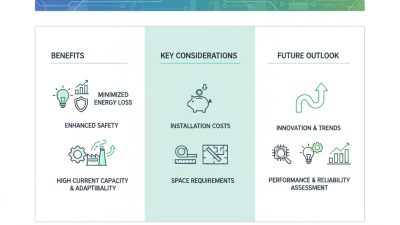
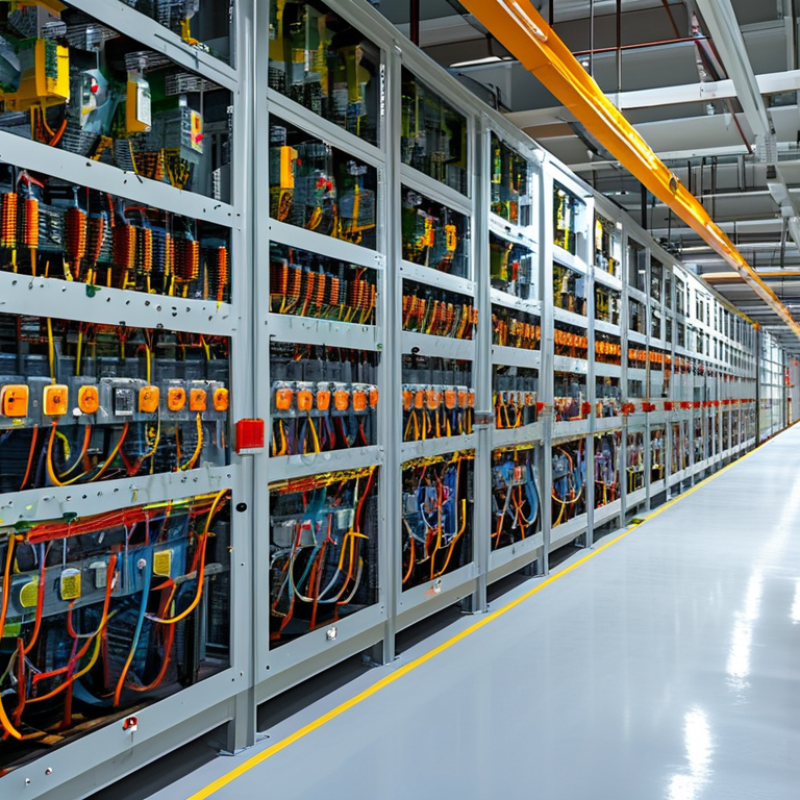
Busway electrical systems play a crucial role in efficient power distribution across various sectors in China. Their design minimizes energy loss and ensures reliable connectivity. These systems excel in large infrastructures, including commercial buildings and industrial sites. However, each installation must be carefully planned to achieve maximum efficiency.
The advantages of busway systems are clear. They offer flexibility in layout and reduce the clutter associated with traditional wiring. Installation is quicker, leading to lower labor costs. However, one must recognize potential drawbacks. Improper planning can lead to overheating or insufficient capacity for future needs. Regular maintenance checks are essential to address these issues early.
Tips: When considering busway systems, focus on load requirements and future expansion plans. Ensure that all safety standards are met for optimal efficiency. Continuous monitoring will help maintain system integrity and performance. For large-scale projects, consulting experts can provide invaluable insights into the most suitable configurations.
Key Characteristics of Efficient Power Distribution Systems
Efficient power distribution systems are crucial for modern infrastructure. In China, busway electrical systems stand out due to their design and functionality. These systems offer a compact and flexible solution for power distribution, accommodating various requirements in commercial and industrial settings.
A key characteristic of these systems is their ability to reduce energy losses. By minimizing connections and using high-quality conductors, they enhance overall efficiency. This design leads to improved load distribution and safety. Moreover, the modular nature of busway systems allows for easy expansion or modification. This is essential for rapidly changing energy demands.
Reliability is another critical aspect. These systems are built to withstand harsh conditions. Regular maintenance can ensure longevity, but the initial setup must be done correctly. Over time, wear and tear can impact performance. Addressing these issues proactively is vital. High-quality materials should be emphasized. This helps maintain a resilient infrastructure. Each component plays a role in ensuring that power distribution remains efficient and dependable.
Top 10 Busway Electrical Systems in China for Efficient Power Distribution
The chart above illustrates the key characteristics of the top 10 busway electrical systems in China, emphasizing their efficiency in power distribution. Each characteristic is rated on a scale of 1 to 10 based on performance metrics like capacity, design versatility, and safety features.
Top 10 Busway Electrical Systems Used in China
In recent years, busway electrical systems have gained traction in China, primarily for their effective power distribution capabilities. These systems use metal enclosures to house electrical conductors. According to a report from the China Electricity Council, the busway market is projected to grow by 12% annually through 2025. This growth illustrates the increasing demand for efficient energy solutions in urban areas.
One notable aspect of busway systems is their space-saving designs. In many projects, these systems occupy less space compared to traditional cabling systems. Additionally, their modular nature allows for easy modifications and expansions. Data from industry studies indicate that facilities using busways can reduce installation time by 30%. However, potential challenges include the high initial costs and maintenance complexity.
Innovative designs are emerging to improve efficiency further. Companies are exploring advanced materials and technologies to enhance reliability. Nevertheless, there are concerns about the long-term sustainability of some materials used in production. Continuous research is necessary to address these issues. Finding ways to optimize material choices could lead to increased longevity and overall efficiency.
Top 10 Busway Electrical Systems in China for Efficient Power Distribution
| Rank |
System Type |
Rated Current (A) |
Features |
Applications |
| 1 |
Aluminum Busway |
2000 |
Lightweight, corrosion resistant |
Commercial buildings |
| 2 |
Copper Busway |
4000 |
High conductivity, durable |
Industrial facilities |
| 3 |
Insulated Busway |
3000 |
Safety and efficiency |
Data centers |
| 4 |
Flexible Busway |
2500 |
Customizable, space-saving |
Manufacturing plants |
| 5 |
Plug-in Busway |
1500 |
Easy to install, modular |
Retail stores |
| 6 |
Busway with Integrated Transformer |
5000 |
Space-efficient |
Power plants |
| 7 |
Outdoor Busway |
3000 |
Weather resistant |
Substations |
| 8 |
Heavy-duty Busway |
6000 |
High capacity, rugged |
Heavy industries |
| 9 |
Busway with Smart Monitoring |
4000 |
Real-time data, energy management |
Smart buildings |
| 10 |
Compact Busway |
1500 |
Space-saving design |
Small businesses |
Advantages of Busway Systems for Industrial Applications
Busway systems are gaining traction in industrial applications for their ability to distribute power efficiently. These systems utilize a compact design, which reduces installation space. According to a recent industry report, busway systems help to save energy costs by up to 10% compared to traditional cabling. The lower resistance in busway systems results in reduced heat generation, making them ideal for high-demand environments.
One prominent advantage of busway systems is their scalability. They can easily adapt to changing power requirements without extensive rewiring. This flexibility is crucial for industries that experience fluctuations in load. A study indicated that industries using busway systems reported a 20% improvement in operational efficiency. Enhanced safety is another aspect; fewer connections reduce potential failure points in electrical distribution.
Tip: Regular maintenance of busway systems can prolong their lifespan. Conducting periodic inspections will catch issues early. Consider using thermal imaging to identify hotspots.
It's essential to weigh the initial installation cost against long-term savings. While busway systems may require a larger upfront investment, reports show a significant return on investment due to efficiency gains over time. A strategic approach to planning and integration can lead to better outcomes. Reflections on existing installations may reveal areas for improvement—consistency in assessment is key.
Future Trends in Busway Electrical System Technology
The future of busway electrical systems in China is vibrant and promises innovative solutions for efficient power distribution. As urban density rises, the demand for reliable power distribution systems increases. Emerging technologies are optimizing performance in this area. Intelligent monitoring systems enhance safety and efficiency. These systems can reduce downtime by detecting issues early.
Another trend is the integration of renewable energy sources. Solar and wind power can be more easily channeled through modern busway systems. This aligns with China’s commitment to sustainability. However, adapting existing infrastructure presents challenges. Upgrading older systems can be costly and complex. Solutions need careful planning and expert input to avoid disruptions.
Smart grid technology also plays a critical role. It enables real-time data analysis and dynamic power management. This ensures that electricity flows where it is needed most. Notably, the interoperability of different technologies can create unforeseen complications. Stakeholders must navigate these challenges with caution. Embracing these advancements means facing the uncertain landscape of technology transition. The future is bright, but it requires thoughtful implementation.