Top Benefits of Busway and Bus Duct Systems for Efficient Power Distribution?
In today's rapidly evolving energy landscape, the need for efficient power distribution systems is more pressing than ever. Experts like John Smith, a leading authority on Busway and Bus Duct systems, emphasize their significance. He states, "Busway and Bus Duct systems streamline power distribution, offering both safety and efficiency." These systems are critical for modern infrastructures, providing a reliable way to transport electricity.
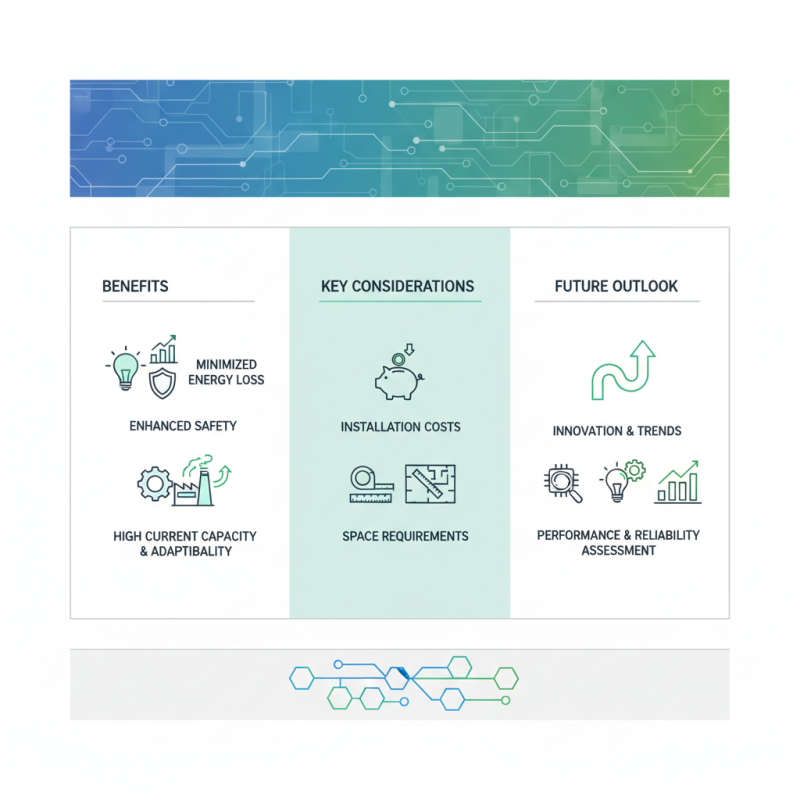
The advantages of Busway and Bus Duct systems are manifold. They minimize energy loss while enhancing safety features. With the ability to handle high currents, they adapt to the growing demands of industrial and commercial applications. However, challenges still exist, such as installation costs and space requirements. It's essential for decision-makers to weigh these factors against long-term benefits, ensuring an informed choice.
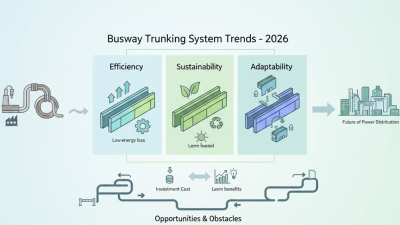
Moreover, as the industry evolves, innovations will continue to shape Busway and Bus Duct technology. Staying abreast of trends and potential setbacks can help businesses optimize their power distribution strategies. In this dynamic field, continuously assessing performance and reliability remains crucial.
Advantages of Busway Systems for Industrial Applications
Busway systems offer significant advantages for industrial applications. They provide flexible and efficient power distribution, which is critical in modern manufacturing environments. According to industry reports, businesses can reduce installation costs by up to 25% when using bus ducts compared to traditional cabling systems. This not only allows for smoother operations but also enhances the scalability of electrical systems.
Safety is another top priority in industrial settings. Busway systems are designed to minimize electrical hazards. Insulated and modular designs can help prevent accidental contact and electrical faults. Data from safety audits show that facilities implementing bus duct systems observe a 40% decrease in electrical accidents. These systems promote a safer working environment for employees.
However, it's essential to consider that not all industries may benefit equally from busway installations. Facilities with fluctuating power needs might find these systems less adaptable. In addition, maintenance of bus ducts can be more complex compared to traditional wiring, leading to potential disruptions. Regular assessments ensure efficiency but can reveal areas for improvement. Balancing these factors is key to maximizing the advantages of busway systems.
Comparison of Bus Duct and Traditional Wiring Methods
Bus duct systems offer an innovative alternative to traditional wiring methods in power distribution. They consist of enclosed conductive pathways, designed for efficient operation. Unlike conventional wiring, which can be cumbersome and less flexible, bus ducts are lightweight and compact. This design not only saves space but also enhances installation speed. In instances of system expansion or modification, bus ducts allow for easier adjustments.
One notable advantage of bus ducts is their improved thermal management. Traditional wiring can generate significant heat, especially under heavy load. This can lead to energy loss and potential hazards. Bus ducts, however, are engineered to dissipate heat more effectively. They are also less prone to wear and tear, reducing maintenance needs over time. However, installation costs can be higher initially, causing some reluctance in adoption.
Flexibility in power distribution is another critical aspect of bus duct systems. They can support varying current loads and be easily reconfigurable. This adaptability aligns well with modern facilities that often undergo changes. Traditional wiring lacks this level of versatility and can become outdated quickly. The decision to switch should consider both immediate costs and long-term benefits, as investments in bus ducts potentially yield greater efficiency and safety.
Impact on Energy Efficiency and Cost Saving Potential
Busway and bus duct systems play a significant role in enhancing energy efficiency and reducing costs in power distribution. These systems provide a compact and reliable alternative to traditional wiring methods. According to a report by the International Energy Agency, efficient power distribution systems can lead to a reduction of up to 30% in energy losses. This is crucial for industries that rely heavily on power, as every bit of saved energy translates directly into cost savings.
Implementing busway systems can also streamline installation and maintenance. Traditional cabling can be cumbersome and require extensive labor. In contrast, bus ducts can be quickly installed, reducing labor costs significantly. For example, an analysis showed that labor savings could reach 15-20% when switching to bus ducts. This not only enhances operational efficiency but also allows for quicker adjustments to power needs as businesses evolve.
Energy efficiency does not solely depend on the installation but also on the management of the system. Proper monitoring can identify inefficiencies. In certain cases, companies reported that 25% of their electrical consumption came from outdated equipment. Conducting regular audits on busway systems can minimize these losses. Ultimately, businesses need to critically assess their power distribution strategies to fully harness the potential savings from modern systems.
Top Benefits of Busway and Bus Duct Systems for Efficient Power Distribution
This chart illustrates the advantages of utilizing Busway and Bus Duct Systems for power distribution, showcasing the expected energy efficiency increase, cost savings, reduced installation time, and minimized maintenance requirements compared to traditional systems.
Safety Features and Benefits of Busway Systems
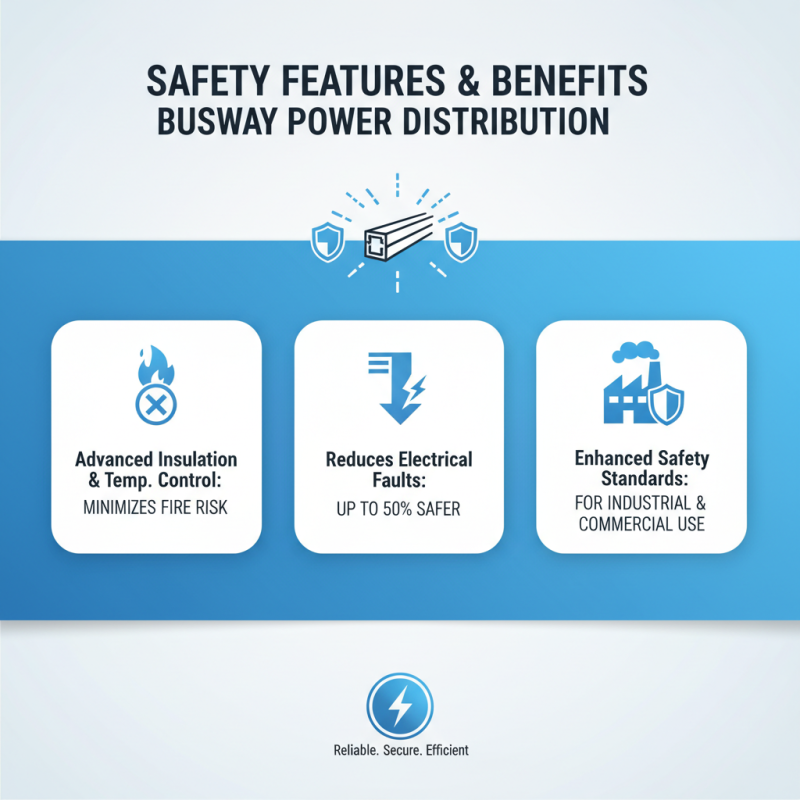
Busway systems are increasingly recognized for their safety features and benefits in power distribution. They integrate advanced insulation and temperature control, minimizing fire risks. According to a recent industry report, busway systems can decrease electrical faults by up to 50%. This significant reduction highlights their role in enhancing safety standards in commercial and industrial environments.
Regular maintenance checks are vital to maximize safety. Keeping connections tight and ensuring that there are no signs of wear can prevent unexpected failures. It’s wise to invest in periodic inspections. These checks can identify potential risks early, ensuring a safer operation.
In terms of installation, bus ducts offer simplicity. They reduce the likelihood of electrical hazards with their enclosed design. This feature protects personnel from live wires and allows for easier access during maintenance. However, it's essential to select the right specifications based on the facility's needs. Misjudgments can lead to inefficiencies or even safety hazards. Think carefully about capacity and environmental factors to ensure optimal performance.
Design Flexibility and Customization Options for Power Distribution
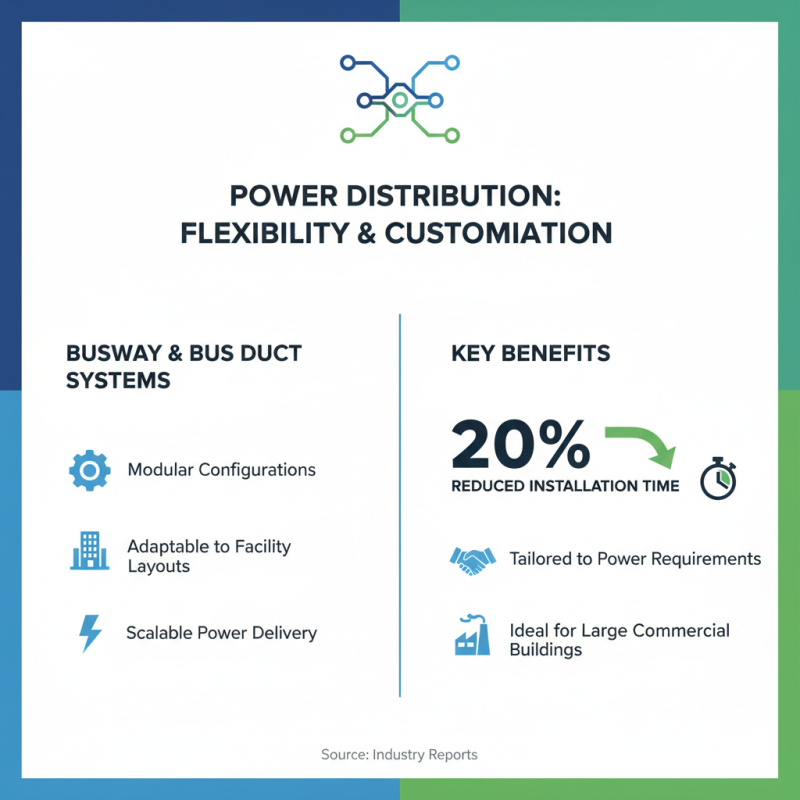
The design flexibility of busway and bus duct systems is crucial for modern power distribution. These systems offer a variety of configurations, accommodating different facility layouts and power requirements. According to industry reports, facilities see a 20% reduction in installation time when utilizing busway systems. This is particularly beneficial for large-scale commercial buildings needing adaptable power delivery solutions.
Customization options allow engineers to tailor systems to specific project needs. Bus ducts can be designed in various lengths and configurations. This ensures efficient space utilization and effective heat dissipation, which are essential for high-demand environments. Furthermore, studies indicate that customized systems can enhance energy efficiency by up to 15%. Such statistics highlight the impact of thoughtful design.
**Tip:** Always consider future growth when designing power distribution systems. Leaving some flexibility for expansion can save costs in the long run.
**Tip:** Engage with manufacturers who understand local building codes and safety regulations. Their expertise can prevent costly redesigns.
While the benefits of busway and bus duct systems are significant, there can be challenges. Installation errors can lead to inefficiencies. Regular audits during installation can prevent these issues. Reflecting on design choices and installation practices can lead to improved outcomes.