What is a Bus Duct Trunking System and How Does It Work?
In today's evolving electrical infrastructure, the Bus Duct Trunking System plays a crucial role. This system simplifies power distribution in industrial and commercial settings. According to a recent report by Research and Markets, the global bus duct market is projected to reach USD 6.02 billion by 2025, driven by increasing urbanization and the demand for efficient power systems.
Expert Jack Thompson, a leading figure in electrical distribution technology, emphasizes the importance of this system. He states, "A well-designed Bus Duct Trunking System enhances safety and efficiency, reducing the risk of electrical failures." His insight highlights the growing reliance on these systems in dynamic environments.
Bus Duct Trunking Systems improve power distribution reliability. Components are modular, allowing for easy installation and modification. However, challenges such as installation complexity and maintenance requirements arise. Evaluating the balance between efficiency and potential pitfalls is essential for optimal performance. As industries evolve, understanding these systems deepens our capacity to adapt and innovate.
What is a Bus Duct Trunking System?
A Bus Duct Trunking System is an efficient solution for distributing electrical power. It consists of a series of metal conduits that carry high voltage electricity. These systems are designed for industrial applications, where reliability and safety are critical. According to a recent industry report by MarketsandMarkets, the demand for bus duct systems is expected to grow at a CAGR of 6.5% from 2021 to 2026. This trend highlights the increasing reliance on efficient power distribution methods.
Bus ducts are typically mounted overhead or along walls. This positioning saves valuable floor space. They provide a secure, organized way to manage electrical wiring. Each duct can support multiple circuits, reducing installation complexity. Furthermore, they often allow for easy modifications and expansions. However, planning and installation must consider heat dissipation and load capacity to prevent failures.
Tips: Regular maintenance is crucial. Inspect connections regularly to ensure optimal performance. Keep ducts clean and free from obstructions to avoid overheating.
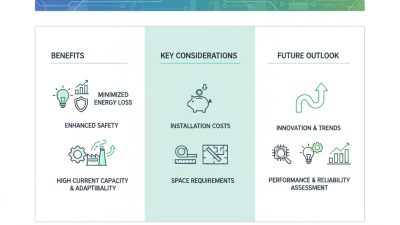
While bus duct systems offer numerous advantages, there are drawbacks. Initial costs can be higher than traditional wiring methods. Understanding the long-term benefits and potential challenges is vital for decision-makers. Investing in a bus duct system should align with the facility's future needs and scalability goals.
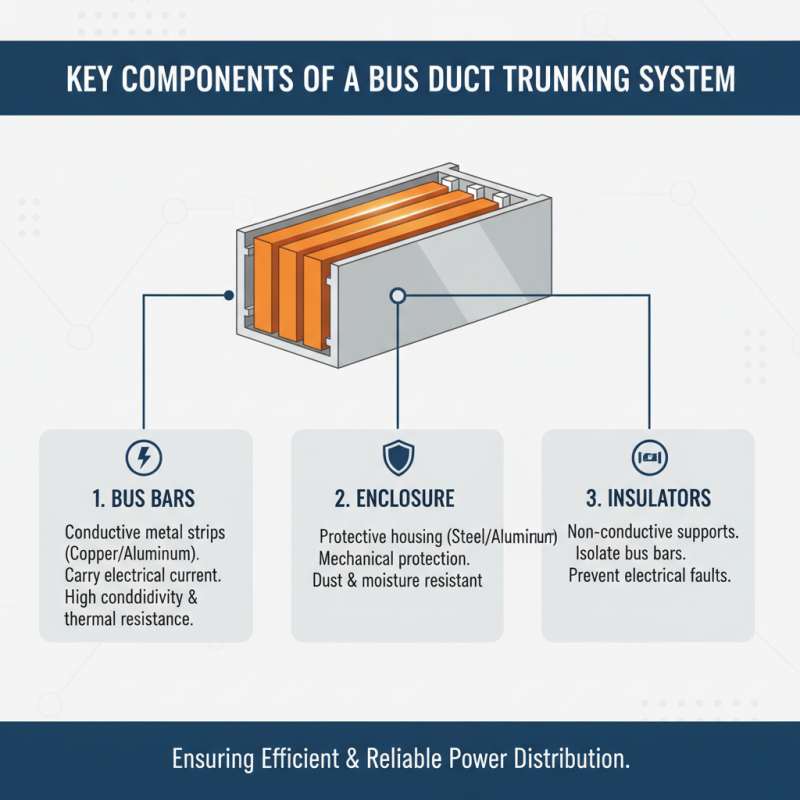
Key Components of a Bus Duct Trunking System
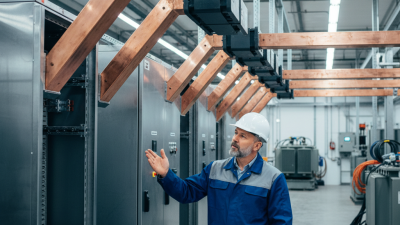
A Bus Duct Trunking System consists of several key components that work together to ensure efficient power distribution. One of the most vital parts is the bus bar, a conductive metal strip that carries the electrical current. Typically made from copper or aluminum, bus bars are designed for high conductivity and thermal resistance.
Another important component is the enclosure that holds the bus bars. This enclosure not only protects the bus bars from external damage but also enhances safety. It usually features insulating materials to prevent accidental contact with live parts. Additionally, ventilation is crucial. Poorly ventilated systems can overheat, leading to potential hazards. Careful design consideration is needed to balance accessibility and protection.
Connection units are also essential in a bus duct trunking system. They facilitate the linking of power sources to the bus bars. These connections must be robust to withstand fluctuations and mechanical stress. Engineers often reflect on how design changes can improve performance or address past failures. Each component is significant, and their interplay dictates overall system reliability.
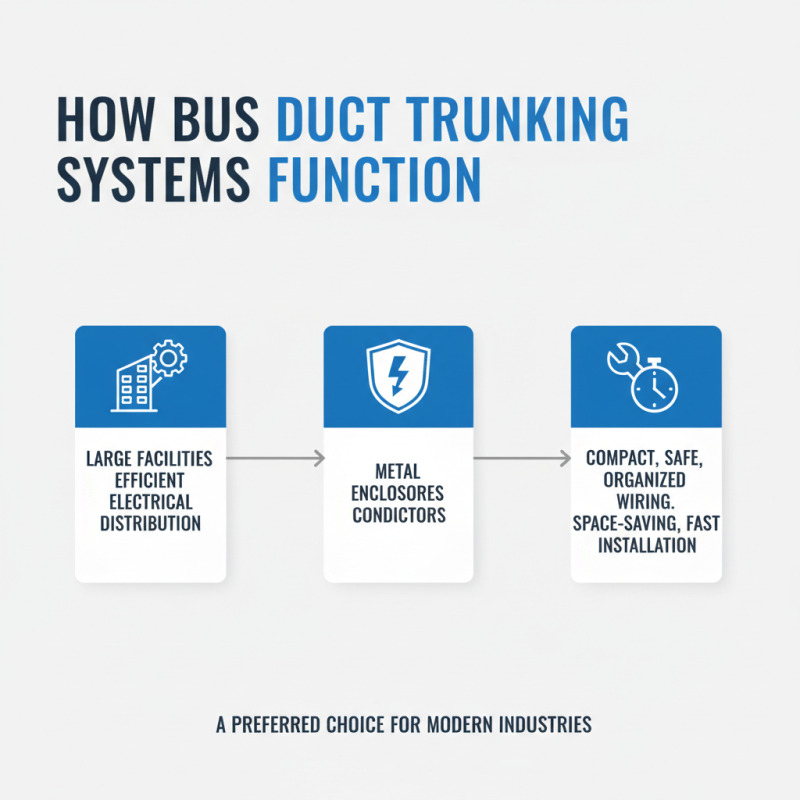
How Bus Duct Trunking Systems Function
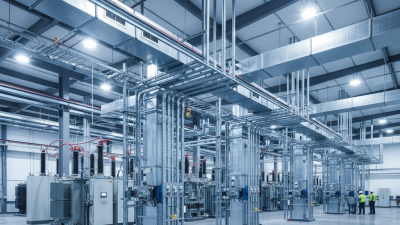
Bus duct trunking systems are vital for efficient electrical distribution in large facilities. They consist of metal enclosures that contain conductors for distributing electricity. This design allows for a compact, safe, and organized method of wiring. The systems are not only space-saving but also streamline the installation process, making them a preferred choice for many industries.
These systems function by allowing electrical current to flow through copper or aluminum conductors housed within the ducts. This arrangement minimizes electrical losses and reduces heat generation. Each section of the duct may connect to circuit breakers or distribution boards, providing flexibility in power management. However, the installation process requires careful planning. Missteps can lead to overheating or potential failures. Regular maintenance checks are necessary to ensure reliability and safety.
Moreover, while bus duct systems enhance efficiency, they are not foolproof. Environmental factors, such as dust and moisture, can impact performance. It's important to consider these aspects during the design phase. Assessing the installation environment helps in choosing the right materials and configurations. Adapting to specific challenges is an ongoing process and requires constant reflection and modification.
Advantages of Using Bus Duct Trunking Systems
Bus duct trunking systems are essential for efficient energy distribution in large facilities. These systems consist of metal enclosures that house electrical conductors, connecting various electrical equipment. A notable advantage is their space-saving design. In confined areas, bus ducts can significantly reduce the footprint compared to traditional cabling. This can lead to a more organized layout, improving safety and maintenance access.
Moreover, bus duct trunking systems offer enhanced flexibility. According to a recent report by industry analysts, nearly 70% of facility managers prefer bus ducts due to their adaptability. These systems allow easy reconfiguration of electrical layouts without extensive downtime. The quick installation often results in lower labor costs. The ability to scale in response to changing operational needs makes bus ducts a practical choice for growing businesses.
While highly beneficial, bus duct systems require careful planning and installation. Improper design or installation can lead to inefficiencies. Facilities must ensure compliance with safety standards. Regular maintenance becomes critical to maximize system longevity and performance. Understanding the intricacies of bus duct systems can minimize risks and enhance operational effectiveness.
Applications of Bus Duct Trunking Systems in Industry
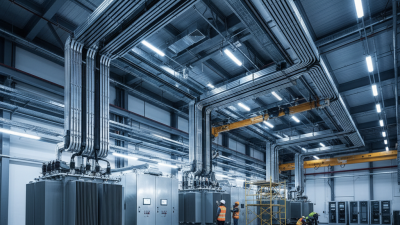
Bus duct trunking systems play a crucial role in various industrial applications. They provide a reliable method for distributing electrical power across large facilities. These systems consist of metal enclosures housing multiple bus bars. They ensure efficient power transfer while minimizing energy loss.
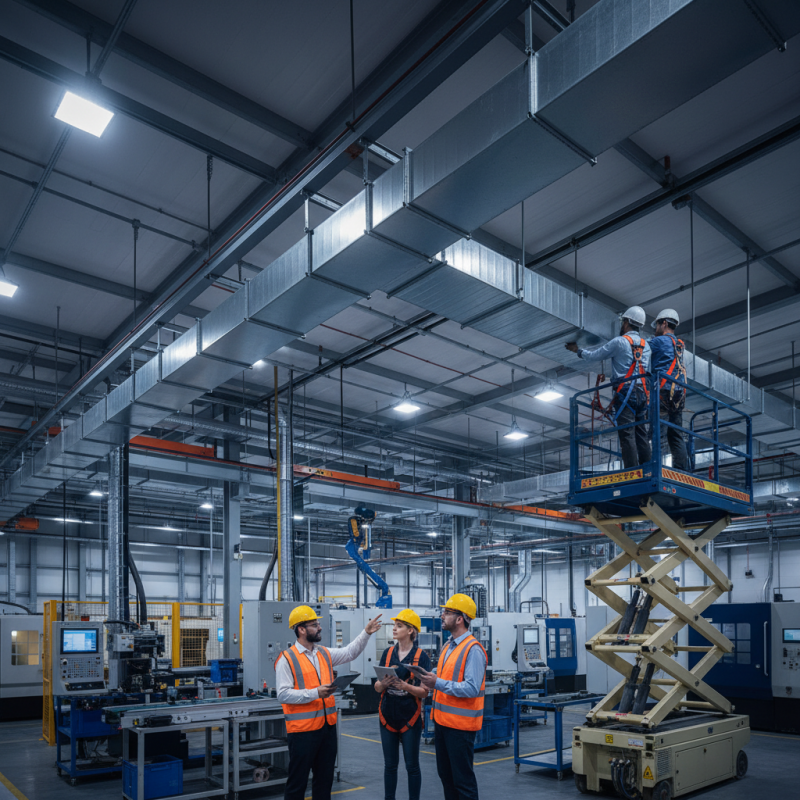
In manufacturing plants, bus duct systems are common. They provide a safe and efficient way to connect power sources to machinery. This reduces the risk of electric shock and fire hazards. Facilities with heavy machinery benefit from the compact design. These systems save space while offering flexibility for future expansions. In data centers, they ensure uninterrupted power supply. Reliability is critical in such environments.
However, installation can be tricky. Improper connections may lead to overheating. Periodic maintenance is necessary to ensure efficiency. Users must also consider potential limitations regarding load capacity. Adapting these systems to specific needs requires careful planning. Addressing common issues can enhance performance and reliability over time.
Applications of Bus Duct Trunking Systems in Industry