Top Busway and Bus Duct Solutions for Global Buyers?
The global market for Busway and Bus Duct systems has been growing steadily, fueled by the demand for efficient power distribution solutions. According to a recent report by MarketsandMarkets, the market is projected to reach $9.7 billion by 2025, highlighting its significance in the electrical infrastructure sector. Industry expert Dr. Emily Carter emphasizes, "The development of advanced Busway and Bus Duct technologies is critical for modern facilities to ensure energy efficiency and safety."
As urbanization increases, innovative electrical distribution methods are essential. Busway and Bus Duct systems offer scalability, modularity, and safety, making them ideal for various applications, from commercial buildings to industrial plants. However, challenges remain in standardization and installation practices, affecting their overall adoption. Some projects have faced delays due to overcoming installation hurdles and compatibility issues.
In many instances, manufacturers continue to innovate, aiming for solutions that not only meet technical specifications but also enhance user experience. While the future of the Busway and Bus Duct industry looks promising, reflections on past implementation strategies reveal areas for improvement. The ongoing collaboration between stakeholders will be crucial in addressing these challenges and advancing the technology further.

Overview of Busway and Bus Duct Systems
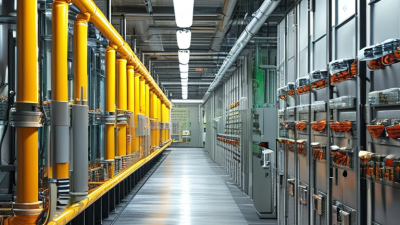
Busway and bus duct systems are integral components in modern electrical infrastructure. These systems provide a reliable method for distributing power in commercial and industrial settings. Their design allows for efficient energy transfer, minimizing the distance between power sources and equipment. Notably, busway systems are usually made of metal, which enhances their durability and conductivity.
The installation of bus ducts requires careful planning to ensure optimal performance. Layout and spacing are crucial factors. Poorly designed systems may lead to overheating and energy loss. Innovation in busway technology may help address some of these challenges. Manufacturers are exploring lightweight materials and energy-efficient designs. However, buyers still face inconsistencies in quality and performance across the market.
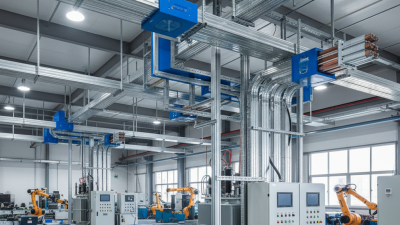
Understanding the specific needs of a project is vital. For instance, the choice between a rigid and flexible system can affect installation complexity. Similarly, load capacity must align with the planned use to avoid safety hazards. Encouraging communication with engineers can bridge the gap in expertise. Overall, while busway and bus duct systems offer great advantages, attention to detail during selection and installation is essential.
Key Features and Benefits of Busway Solutions
When considering busway solutions, operational efficiency is paramount. These systems are designed to handle high currents and offer a flexible installation process. Their modular nature allows for easy expansion and adaptation. Users benefit from reduced installation time compared to traditional wiring methods. Additionally, maintenance is straightforward. A simple visual inspection can often suffice.
Another compelling feature is their ability to improve safety. Busways have built-in insulation to protect against electric shocks. This reduces risks in environments with heavy machinery or high foot traffic. Furthermore, they are often engineered to handle environmental factors, like dust or moisture. This reliability ensures consistent performance, even in challenging conditions.
However, the initial installation cost can be daunting. It requires careful planning and investment. Users may find the learning curve steep when transitioning from traditional systems. While the benefits are clear, the adjustment period often raises questions. Balancing these concerns with the long-term advantages is essential for informed decision-making.
Top Busway and Bus Duct Solutions for Global Buyers
| Solution Type |
Key Features |
Benefits |
Application Areas |
| Indoor Busway |
Compact design, Easy installation |
Space-saving, Reduced labor costs |
Commercial buildings, Industrial facilities |
| Outdoor Busway |
Weatherproof, High load capacity |
Durability, Low maintenance |
Power plants, Transportation hubs |
| Bus Duct |
Flexible configurations, Modular design |
Customizable layout, Enhances safety |
Data centers, Hospitals |
| Low Voltage Busway |
Energy-efficient, Lightweight materials |
Reduced energy costs, Easier handling |
Retail stores, Office buildings |
| High Voltage Busway |
Robust insulation, Enhanced thermal performance |
Increased efficiency, High reliability |
Manufacturing plants, Large-scale infrastructure |
Comparative Analysis of Bus Duct Types
When evaluating bus duct systems, it’s essential to recognize the differences among various types. Each bus duct type serves specific needs based on installation environments and power distribution requirements. Some common types include air-insulated, gas-insulated, and liquid-cooled bus ducts. Air-insulated systems are popular for their simplicity and ease of installation. However, they may not offer the same efficiency levels as their gas-insulated counterparts.
Gas-insulated bus ducts provide enhanced safety and reliability. They work well in areas where space is limited. Yet, their complexity can lead to higher maintenance costs. Liquid-cooled designs stand out in high-power applications. They offer efficient heat management but require careful monitoring.
Tips: Always assess your power needs first. Consider installation space and maintenance requirements. A well-chosen bus duct minimizes operational risks and improves system longevity. Consult with professionals early to avoid costly mistakes. Remember, not all solutions fit every scenario. Reflecting on the unique demands of your project can lead to better decisions. Balancing performance with cost is crucial in the selection process.
Comparative Analysis of Bus Duct Types
Top Global Manufacturers of Busway and Bus Duct Solutions
The demand for busway and bus duct solutions is growing rapidly. According to recent industry reports, the global busway market is projected to reach over $10 billion by 2026. This growth is driven by the rising need for efficient and reliable electrical distribution systems. Many industries, from manufacturing to commercial buildings, are seeking innovative solutions.
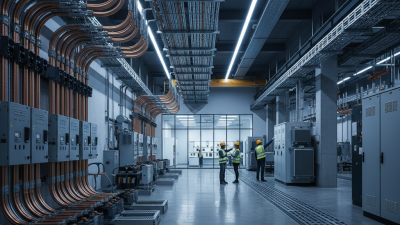
Top manufacturers in the sector focus on efficiency and safety. They provide modular designs for easier installation and maintenance. These systems often improve energy efficiency and reduce operational costs. Industry experts recommend evaluating installation environments carefully to ensure the selected systems meet specific needs. Advanced technology integration is also key in this market, enhancing system reliability.
However, challenges remain. Some regions face supply chain disruptions, impacting availability. There's also a knowledge gap regarding the latest technologies. Training and education are essential for end-users. Continuous improvements in designs and materials are critical for staying competitive. Selecting the right solutions involves a thoughtful process, considering both current and future demands.
Future Trends in Busway and Bus Duct Technology
The busway and bus duct industry is undergoing significant transformation. Innovations are emerging, driven by the need for more efficient and sustainable energy distribution systems. Recent technological advancements focus on enhancing safety and integration capabilities. As urban areas grow, the demand for compact, versatile solutions is increasing.
One key trend is the use of smart technology. Monitoring systems are now embedded in bus ducts, allowing real-time data analysis. This can prevent potential failures and optimize maintenance schedules. However, not all manufacturers are adopting these technologies. Some continue to rely on outdated systems, missing out on potential efficiency gains.
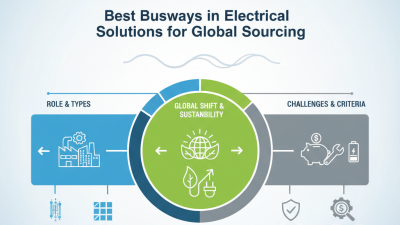
Sustainability also plays a crucial role in future designs. Eco-friendly materials and energy-efficient systems are becoming standard. Yet, in a rush to innovate, some solutions might overlook durability and longevity. The balance between initial cost and long-term benefits requires careful consideration. As the market grows, buyers must demand solutions that prioritize both performance and sustainability.