Leave Your Message

Top 10 Medium Voltage Bus Duct Suppliers Worldwide?

Choosing a reliable Medium Voltage Bus Duct supplier requires more than comparing prices or browsing polished product pages. These systems carry substantial electrical loads through factories, commercial buildings, renewable energy sites, and infrastructure projects. A weak selection can create installation delays, maintenance problems, or costly redesigns. This guide examines ten recognized suppliers worldwide and considers how their products perform in practical project conditions.

The comparison focuses on manufacturing experience, voltage ranges, current ratings, enclosure design, insulation methods, fire resistance, and certification practices. It also reviews engineering support, customization capacity, delivery performance, and after-sales service. These details matter when bus duct sections must align precisely across switchgear rooms, transformers, and vertical risers. A supplier may offer an impressive catalog, yet still struggle with documentation or site coordination. That difference becomes visible during installation.

No ranking is perfect. Market coverage changes. Regional performance can also vary. Therefore, this list is designed as a practical starting point, not a final purchasing decision. Readers should verify test reports, factory capabilities, local approvals, warranty terms, and reference projects before signing a contract. Experienced buyers often request layout drawings, short-circuit data, and connection details early. This reduces uncertainty and exposes technical gaps before production begins. The selected companies represent different strengths, including global reach, specialized engineering, competitive manufacturing, and responsive project support. Their suitability depends on system requirements, local conditions, and the level of technical assistance your project demands.
Top 10 Medium Voltage Bus Duct Suppliers Worldwide?

Definition and Role of Medium Voltage Bus Duct Systems

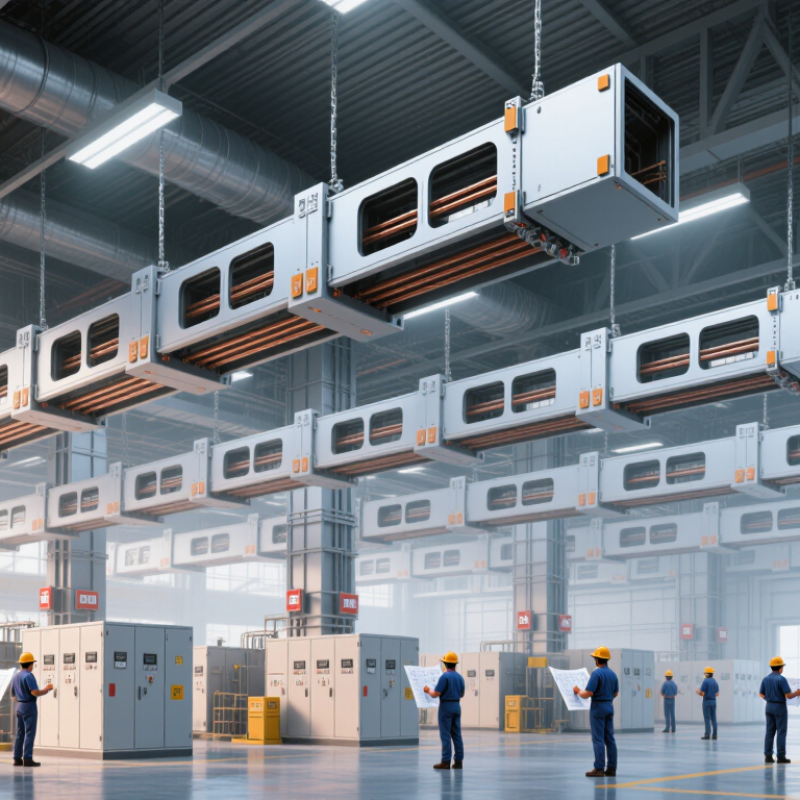
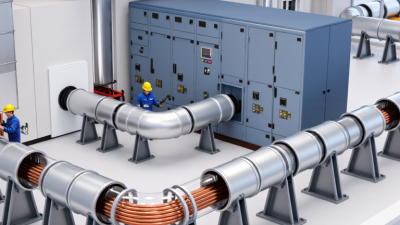
Medium voltage bus duct systems are enclosed assemblies that carry and distribute electrical power between equipment. They commonly operate above low-voltage ranges and may serve switchgear, transformers, generators, or large industrial loads. Their conductors sit inside a grounded metal housing. This structure improves protection, organization, and installation control.

The main role is reliable power transfer over short or extended routes. A properly selected system manages continuous current, heat, voltage drop, and short-circuit forces. It can reduce cable congestion in substations, factories, data centers, and infrastructure projects. Engineers also examine enclosure ratings, conductor spacing, grounding paths, fire performance, and mechanical support. Small details matter. A loose joint can create heat, noise, or insulation damage.

During installation, teams should inspect alignment, joint torque, insulation clearance, and moisture protection. Thermal scanning after energization can reveal uneven connections before failure develops. Maintenance records should include load readings and visual inspection results. However, bus duct is not automatically better than cable. Route length, environmental exposure, maintenance access, and future expansion may change the decision. Designers sometimes focus on rated current and overlook condensation or vibration. That is a costly assumption. Standards differ by region, and project engineers must verify applicable testing and compliance requirements. The definition sounds simple. The engineering is not.
Key Criteria for Evaluating Global Bus Duct Suppliers

Top 10 Medium Voltage Bus Duct Suppliers Worldwide

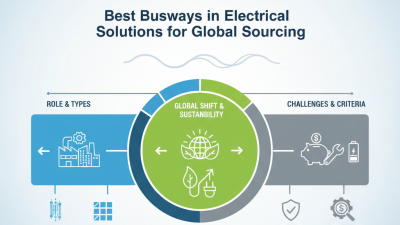
Evaluating global medium voltage bus duct suppliers requires more than comparing prices. Start with proven operating experience in systems such as 12 kV or 24 kV installations. Ask for project references with similar current ratings, environmental conditions, and fault levels. A supplier serving a dry indoor plant may not understand a humid coastal substation.

Technical evidence matters. Review temperature-rise results, short-circuit withstand tests, insulation data, enclosure ratings, and joint design. Check whether independent laboratories verified these results. Examine drawings closely, including conductor spacing, expansion points, grounding paths, and access for maintenance. Small details often decide whether installation remains safe after years of vibration and heat.

Manufacturing control should be visible. Request factory inspection records, material traceability, routine test procedures, and documented quality actions. A reliable supplier can explain how copper or aluminum conductors are inspected before assembly. Delivery capability also matters. Confirm production lead times, spare-part availability, field supervision, and response procedures for damaged joints. Ask difficult questions.

Site experience can expose gaps in impressive paperwork. One supplier may offer excellent test reports but weak installation support. Another may respond quickly yet provide unclear engineering documents. No supplier is perfect. That is why technical reviews, factory visits, and independent verification should work together. I would also test communication during the bidding stage; slow answers often become slower support after commissioning.

Top 10 Medium Voltage Bus Duct Suppliers Worldwide

Top 10 Medium Voltage Bus Duct Suppliers Worldwide

The worldwide medium voltage bus duct market is gaining attention as electricity networks become denser and more automated. The International Energy Agency’s Electricity 2024 report expects global electricity demand to grow by about 4% annually through 2026. That growth increases the need for compact, reliable distribution systems in factories, data centers, rail facilities, and renewable-energy sites.

A credible top-ten supplier list should examine engineering depth, not marketing visibility. MarketsandMarkets’ 2024 medium-voltage switchgear research identifies grid expansion, industrial modernization, and renewable integration as major market drivers. Suppliers should demonstrate compliance with IEC 62271-200, verified short-circuit performance, tested insulation, and clear temperature-rise data. Good documentation matters.

Field experience also reveals practical differences. A bus duct system may cross hot plant rooms, narrow shafts, or dusty production areas. Joint design, enclosure protection, installation tolerances, and maintenance access can decide project performance. CIGRE technical guidance repeatedly emphasizes testing, coordination, and lifecycle reliability in high-voltage equipment. However, published rankings can be imperfect. They may favor revenue, regional reach, or shipment volume instead of failure history and service quality. Buyers should compare independent test reports, warranty conditions, local technical support, and delivery records before selecting among leading global suppliers. Reliability is measured after installation.

Top 10 Medium Voltage Bus Duct Suppliers Worldwide

Rank Supplier Reference Primary Market Coverage Typical Voltage Range Typical Rated Current Typical Short-Time Withstand Conductor Configuration Enclosure Options Common Standards Typical Applications
1 Supplier Profile 01 Global utility and industrial projects 12–35 kV 630–5,000 A 25–100 kA for 1–3 s Sandwich, 3-phase, 3- or 4-conductor Non-segregated or segregated metal enclosure IEC 61439-6, IEC 62271 series Substations, power plants, heavy industry
2 Supplier Profile 02 North America, Europe and Middle East 5–35 kV 800–4,000 A 25–80 kA for 1–3 s Phase-insulated or air-insulated conductors Indoor, outdoor and weatherproof designs IEC 61439-6, IEEE C37.23 Data centers, commercial facilities, manufacturing
3 Supplier Profile 03 Asia-Pacific and international EPC projects 3.6–24 kV 630–3,150 A 20–63 kA for 1–3 s Compact sandwich busbar system Aluminum or galvanized steel enclosure IEC 61439-6, IEC 60529 Industrial plants, infrastructure and utility distribution
4 Supplier Profile 04 Europe, Africa and Latin America 12–36 kV 1,000–5,000 A 31.5–100 kA for 1–3 s Single- or double-busbar arrangements IP42–IP65 enclosure configurations IEC 61439-6, IEC 62271-200 Power generation, mining and petrochemical facilities
5 Supplier Profile 05 Global commercial and industrial markets 6.6–24 kV 800–3,200 A 25–63 kA for 1–3 s Air-insulated, epoxy-supported conductors Indoor and outdoor metal-clad systems IEC 61439-6, IEC 60529 Factory distribution, utilities and renewable-energy plants
6 Supplier Profile 06 Middle East, Asia and emerging markets 3.3–36 kV 630–4,000 A 20–80 kA for 1–3 s Non-segregated and segregated phase systems Corrosion-resistant outdoor enclosures IEC 61439-6, IEC 62271 series Oil and gas, utilities, desalination and process plants
7 Supplier Profile 07 North America and selected export markets 5–27 kV 1,200–4,000 A 25–80 kA for 1–3 s Metal-enclosed, ventilated or non-ventilated busway Indoor, outdoor and seismic-duty options IEEE C37.23, IEC 61439-6 Utilities, transit systems and large commercial facilities
8 Supplier Profile 08 Asia-Pacific, Europe and Africa 6.6–35 kV 800–5,000 A 25–100 kA for 1–3 s Sandwich-type and isolated-phase designs Standard or high-ingress-protection enclosures IEC 61439-6, IEC 60529 Steel mills, cement plants, mines and large motors
9 Supplier Profile 09 Europe, Central Asia and the Middle East 10–36 kV 630–3,150 A 20–63 kA for 1–3 s Compact enclosed conductors with flexible joints Indoor, outdoor and high-altitude options IEC 61439-6, IEC 62271-200 Grid substations, rail infrastructure and industrial parks
10 Supplier Profile 10 International OEM and project markets 3.6–24 kV 630–2,500 A 20–50 kA for 1–3 s Modular busbar sections with plug-in connections Powder-coated steel or aluminum enclosure IEC 61439-6, IEC 60529 Commercial buildings, distributed energy and light industry

Note: The electrical ranges shown are representative medium-voltage bus duct specifications commonly used in international projects. Exact ratings, enclosure protection, insulation level, short-circuit withstand and certification should be verified against the supplier’s current technical documentation and project requirements.

Product Features, Standards, and Industry Applications

Top 10 Medium Voltage Bus Duct Suppliers Worldwide

A credible Top 10 comparison should examine products, standards, and application evidence. The supplier’s name matters less than tested performance. Medium voltage bus duct systems usually support substations, data centers, factories, and transport infrastructure. IEA’s Electricity 2024 report projects global electricity demand growth of about 4% in 2024 and 2025. This growth increases pressure on compact, reliable power distribution. Strong products provide high short-circuit withstand, low thermal rise, enclosure protection, and flexible installation. Site experience also shows that joint design can affect maintenance time significantly.

Standards provide a practical quality filter. IEC 62271-200 addresses enclosed medium voltage switchgear assemblies and internal-arc classification. IEEE C37.20.2 covers metal-clad switchgear requirements in many projects. Designers should verify insulation levels, temperature-rise tests, seismic performance, and routine inspection records. For industrial plants, segregated conductors can reduce fault exposure. For data centers, modular sections can simplify expansion. Market reports from MarketsandMarkets identify grid modernization and infrastructure investment as major growth drivers. However, forecasts are not guarantees. Local voltage, humidity, fault current, and installation skills can change the result.

Tips: Request complete type-test documents, not marketing summaries. Check joint access, lifting points, and replacement procedures before ordering. Compare lifecycle cost, not only purchase price. A cheaper enclosure may create expensive shutdowns later. Ask for site references with similar fault levels and operating conditions. One overlooked detail remains grounding continuity. It deserves a physical inspection.

Global Market Coverage and Supplier Selection Considerations

Top 10 Medium Voltage Bus Duct Suppliers Worldwide?

Global Market Coverage and Supplier Selection Considerations

A global shortlist of ten suppliers should begin with market coverage, not advertising visibility. Projects may span factories, data centers, mines, and transport facilities. Each site brings different voltage levels, fault currents, humidity, and installation constraints. Experienced buyers compare tested designs against real operating conditions. A strong supplier should provide clear technical drawings, routine test records, and traceable material information.

Certification matters, but it is not the entire decision. Check compliance with recognized IEC or IEEE requirements, local electrical rules, and project-specific inspection procedures. Ask how the supplier manages type testing, temperature-rise verification, enclosure protection, and short-circuit withstand ratings. Manufacturing capacity also deserves careful review. A supplier promising short delivery may rely on uncertain subcontracting.

Local support can decide project performance. Look for trained commissioning staff, accessible spare parts, and documented maintenance guidance. Review service coverage across regions, customs experience, and communication during design changes. Currency risk and transport conditions can affect the final cost. A lower quotation may exclude supports, expansion joints, fire barriers, or site testing. That is easy to miss.

My own evaluation approach favors evidence over polished presentations. I would request references from similar climates and loading profiles. Then I would compare ten suppliers using the same checklist. The checklist may still be imperfect. Real projects change, and supplier data can become outdated. A second technical review is worth the delay.