Top 10 Benefits of Busway and Bus Duct Systems for Efficient Power Distribution?
Efficient power distribution is crucial for modern infrastructure. Busway and bus duct systems play a vital role in enhancing electrical efficiency across various sectors. According to a report by the Electric Power Research Institute, these systems can substantially reduce energy losses when compared to traditional wiring methods. Industry expert John Williams notes, "The transition to busway and bus duct systems is not just about convenience; it's a shift towards sustainable energy management."
Implementing busway and bus duct systems can yield significant cost savings. In fact, studies indicate that facilities utilizing these systems experience up to 30% fewer installation and maintenance costs. This is particularly important as facilities face increasing energy demands and regulatory pressures. However, some organizations still hesitate. Concerns about initial investment and installation logistics often arise.
Despite these reservations, the advantages are clear. Busway and bus duct systems provide flexibility and reliability in power distribution. As facilities evolve, choosing the right infrastructure is essential for long-term sustainability. The industry continues to innovate, but there is still room for improvement in educating stakeholders about the true potential of busway and bus duct systems.
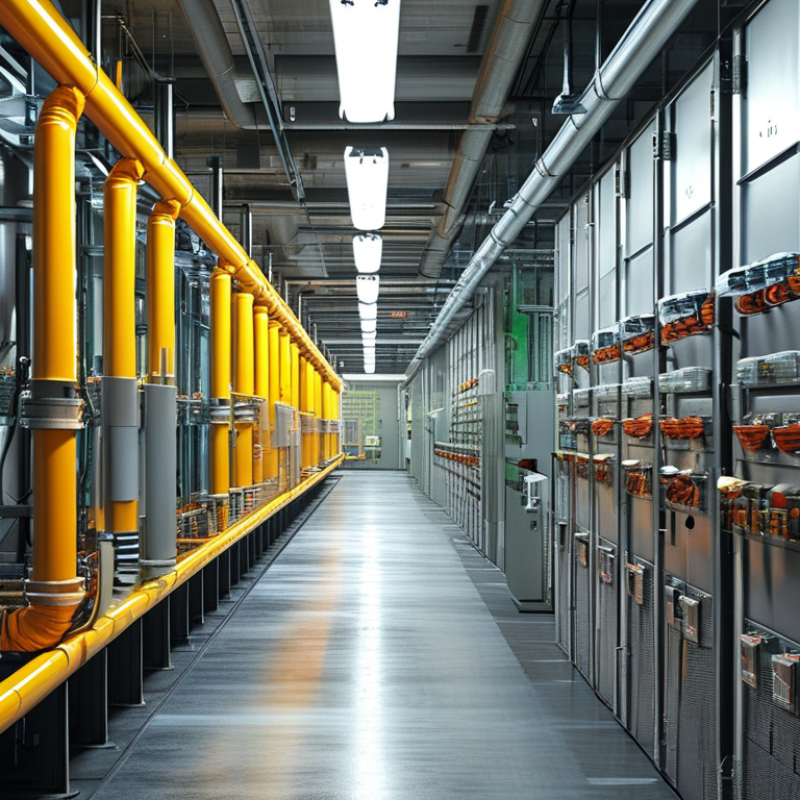
Understanding Busway and Bus Duct Systems in Power Distribution
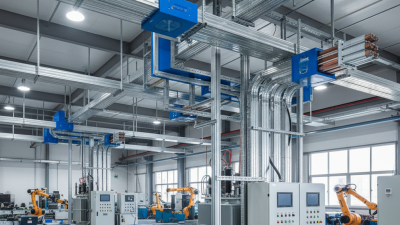
Busway and bus duct systems are essential for power distribution in modern infrastructure. These systems offer a versatile approach, allowing significant flexibility in design and installation. According to industry reports, busway systems can reduce installation time by up to 50% compared to traditional wiring methods. This efficiency helps projects stay on schedule.
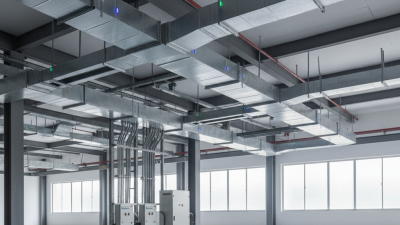
One notable advantage is their compact nature. Bus ducts are designed to carry high currents with minimal space. This space-saving feature is crucial in densely populated areas, where every square foot counts. Moreover, they can be easily reconfigured to adapt to changing power needs. However, improper installation or maintenance can lead to safety issues. Ensuring adherence to industry standards becomes critical.
Another key benefit is their durability. Many busway systems can handle adverse conditions, with some rated for over 30 years of life. However, without regular inspections, hidden issues can arise, potentially leading to unexpected failures. Consistent monitoring is essential to preserve their reliability. This balance between efficiency and proper care is vital in achieving optimal performance in power distribution systems.
Key Advantages of Using Busway Systems for Power Efficiency
Busway systems are increasingly recognized for their role in enhancing power efficiency in various industrial settings. According to recent industry reports, adopting busway systems can lead to energy savings of up to 30%. This high efficiency stems from their lower impedance and reduced losses during power transfers. Moreover, bus ducts provide greater flexibility in design compared to traditional wiring methods. They allow for quick reconfiguration, facilitating changes in power distribution without extensive downtime.
In terms of reliability, busway systems outperform conventional power distribution methods. A study by the Electric Power Research Institute (EPRI) highlighted that facilities with bus duct installations reported a 40% decrease in maintenance costs. This is largely due to their durable materials and compact design, which minimize wear and environmental impacts. Furthermore, busway systems contribute to enhanced safety through their enclosed structure, reducing the risk of electrical faults and improving system integrity.
However, while busway systems show remarkable benefits, they can have higher upfront installation costs. Potential users must consider these costs in conjunction with long-term energy savings and operational efficiency. The balance between initial investments and future savings can require careful assessment. Despite these cost challenges, the long-term advantages of reducing energy consumption and maintenance may outweigh the initial hurdles for many organizations.
Top 10 Benefits of Busway and Bus Duct Systems for Efficient Power Distribution
Cost-Effectiveness of Bus Duct Systems in Industrial Applications
Bus duct systems offer significant
cost-effectiveness in industrial applications.
According to industry reports, they reduce installation costs by up to 30% compared
to traditional wiring methods. Their modular design leads to quicker installation and less labor.
Moreover, maintenance costs can be lower due to improved access and reduced wear.
These factors collectively enhance the overall efficiency of power distribution.
Efficiency isn’t just about installation. Bus ducts reduce energy losses by efficiently distributing power.
A study found that facilities using bus ducts experienced a 5% decrease in energy costs.
This reduction is critical for industries aiming to optimize their operational budget.
Busways can support varying loads effectively, making them flexible
for future expansions or modifications in power demand.
Tips for better implementation include proper sizing of the bus duct.
Oversized systems can lead to increased initial costs and energy losses.
Regular inspection and maintenance can extend the lifespan of these systems.
Don't overlook training for staff on using these systems efficiently.
Harnessing the full potential of bus duct systems can lead to substantial savings and efficiency
improvements in energy management.
Improved Safety Features of Busway and Bus Duct Installations
Busway and bus duct systems are vital for modern power distribution. They enhance safety features in various installations. These systems are built with robust components that minimize risks. Grounding mechanisms prevent electrical hazards effectively. Enhanced insulation also plays a crucial role in reducing fire risks.
In practice, the design of busway systems allows for easy access. This facilitates regular maintenance and inspections. Maintenance is essential for safety. Regular checks ensure that connections remain tight. Loose connections can lead to overheating, posing serious dangers.
Training workers on safety protocols is also important. Staff should know how to respond in emergencies. Bus duct installations often include visual indicators. These indicators show the status of the electrical system. They help personnel make quick decisions to enhance safety. Adopting best practices guarantees a safer working environment. Continuous improvement in safety procedures is always necessary.
Environmental Benefits of Implementing Busway Systems in Facilities
Busway systems offer significant environmental benefits that contribute to sustainable energy distribution. One major advantage is their compact design, which minimizes the physical footprint required for electrical infrastructure. This reduced space usage can lead to less land disruption and lower resource consumption in urban settings. Additionally, busway systems typically use fewer materials than traditional wiring, reducing waste and the carbon footprint associated with manufacturing.
The efficiency of busway systems also enhances energy conservation. They allow for better heat dissipation and lower resistive losses compared to conventional ducting methods. This can result in lower energy consumption, ultimately leading to fewer greenhouse gas emissions from power generation. Moreover, the modular nature of busway designs allows for easier upgrades and maintenance, reducing the need for extensive replacements that can generate additional waste.
Despite these advantages, some challenges remain. Transitioning to busway systems may involve initial costs and complexity in planning. Facilities must assess whether the long-term savings and environmental benefits outweigh these initial hurdles. Additionally, ongoing evaluation is crucial to ensure these systems continue to perform efficiently as energy demands change. Balancing installation challenges with environmental benefits requires careful consideration and expertise in facility management.