Top 10 Benefits of Copper Bus Duct for Global Buyers?
In the world of electrical infrastructure, "Copper Bus Duct" stands as a vital component for efficient power distribution. According to Dr. Jane Thompson, a leading expert in electrical engineering, "Copper Bus Duct systems offer unparalleled benefits in reliability and efficiency." These systems serve as pathways for electrical currents, connecting major power sources to various applications.
Copper is known for its excellent conductivity, which makes Copper Bus Duct a preferred choice. This choice reduces energy loss and enhances performance. Robust and durable, these systems can withstand high temperatures and heavy loads without compromising safety. However, there are challenges too, such as the initial installation costs, which may be a concern for some buyers.
Despite this, the advantages of using Copper Bus Duct far outweigh the drawbacks. It provides superior heat dissipation and is less prone to corrosion. For global buyers, understanding these benefits is crucial when selecting the right components for their electrical systems. Investing in quality Copper Bus Duct translates to long-term savings and increased efficiency.

Top Benefits of Copper Bus Duct for Electrical Infrastructure
Copper bus ducts offer significant advantages for electrical infrastructure. Their high conductivity ensures efficient power distribution, minimizing energy losses. In large facilities, less energy waste translates to cost savings. This is particularly crucial for industries with high power demands.
Durability is another key benefit. Copper is resistant to corrosion and environmental degradation. This ensures a longer lifespan compared to other materials. Many users appreciate the low maintenance requirements. However, some installations may face challenges with weight. The heaviness of copper can complicate structural considerations.
Application versatility is evident in various settings. From commercial buildings to manufacturing plants, copper bus ducts support diverse needs. They can adapt to tight spaces and complex layouts. Yet, this adaptability requires thoughtful planning. Users may need to evaluate their specific requirements. All these factors make copper bus ducts a valuable choice in modern electrical systems.
Enhanced Conductivity: A Key Advantage of Copper Bus Duct Systems
Enhanced conductivity is a significant advantage of copper bus duct systems. Copper is known for its excellent electrical conductivity, boasting approximately 60% better performance than aluminum. This attribute allows for more efficient energy transmission, which is crucial for industrial applications. According to a 2021 industry report, using copper bus ducts can lead to up to a 30% reduction in energy losses compared to other materials.
Cost savings are also inherent in their efficiency. Enhanced conductivity means less heat loss and lower cooling costs. However, the initial investment in copper bus ducts can be higher than alternatives. It's essential for buyers to consider long-term savings versus upfront costs. Investing in high-quality materials often pays off.
**Tips:** Always evaluate the specific needs of your project. Conduct a thorough analysis of potential costs and benefits. Seek expert advice when selecting materials. Remember, while copper's advantages are clear, its installation requires skilled labor. Ensuring proper installation can prevent future issues and enhance the system's overall effectiveness. Consider these factors when making your decisions.
Top 10 Benefits of Copper Bus Duct for Global Buyers
Long-Term Durability: Life Expectancy of Copper vs. Aluminum Bus Duct
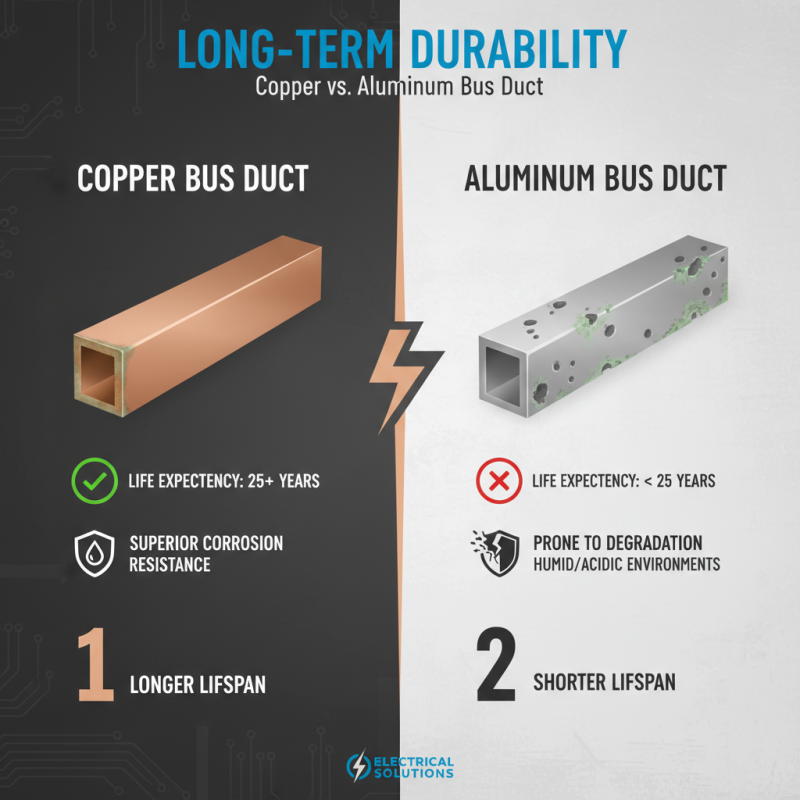
When considering bus duct for electrical systems, the material used plays a vital role in longevity. Copper bus duct typically outlasts aluminum options. Its lifecycle can exceed 25 years, depending on environmental conditions. This durability stems from copper's inherent resistance to corrosion. In contrast, aluminum can degrade over time, especially in humid or acidic environments.
Furthermore, copper's superior conductivity translates to less energy loss. This efficiency contributes to reduced operational costs over the lifecycle of the installation. Maintenance is also a factor; copper requires less frequent inspection and fewer replacements. However, it’s essential to note the initial installation cost is higher than aluminum. This can be a concern for buyers focusing on upfront expenses.
Long-term, investing in copper might lead to better overall savings. While copper has its advantages, some projects might still benefit from aluminum due to budget constraints. Each option has its trade-offs that require careful consideration. Ultimately, the choice should reflect the specific needs and goals of a project, balancing immediate budget against long-term value.
Energy Efficiency and Reduced Power Losses in Copper Bus Duct Applications
When considering energy efficiency, copper bus ducts stand out. They offer superior conductivity compared to aluminum. This leads to reduced energy losses during transmission. Higher conductivity means less heat generated, increasing overall efficiency. In sectors like manufacturing and data centers, energy savings are critical.
But it’s not just about savings. The reliability of copper bus ducts ensures sustained performance. Over time, this reliability translates into lower maintenance costs. However, copper can be more expensive than alternatives. Buyers should weigh initial investment against long-term benefits.
Choosing copper bus ducts requires careful evaluation. It's important to consider both the costs and the advantages. An informed decision will lead to enhanced operational efficiency. The benefits of copper in reducing power losses are clear yet complex. Each project might reveal different challenges. Thus, continuous assessment of needs and options is essential.
Cost-Benefit Analysis: Initial Investment vs. Lifespan of Copper Bus Duct
When considering the installation of copper bus ducts, examining the cost-benefit analysis is crucial. The initial investment for copper bus ducts tends to be higher than alternatives, yet the lifespan of copper offers significant advantages. Copper has superior conductivity, reducing energy loss over time. This translates to lower operational costs, making the long-term financial outlook favorable.
Investing in quality materials can be daunting. But copper bus ducts often last longer, reducing the frequency of replacements. Their robust nature often means lower maintenance costs compared to less durable options. Over the years, this can result in substantial savings that outweigh the initial costs.
Tip: Before making a decision, analyze your specific needs. Calculate your long-term energy savings compared to the upfront investment. Another tip: always consider the reputation of the manufacturer. Quality installation can prevent headaches later. Keep these factors in mind to ensure a smart investment in your infrastructure.