In the fast-evolving world of electrical distribution, understanding the role of Aluminium Bus Duct is essential. As an industry expert, Dr. Jason Liu emphasizes, “The future of energy management relies on efficient solutions like Aluminium Bus Duct.” His insight reflects the growing importance of this technology in enhancing energy efficiency.
With many suppliers emerging in China, global buyers need to identify the top contenders. Aluminium Bus Duct systems are pivotal for industries, including manufacturing and data centers. They offer flexibility and reliability in power distribution, crucial for high-demand environments.
However, navigating through the different suppliers can be challenging. Not all options meet international standards or have a proven track record. Buyers must assess each supplier's credentials and product quality. It’s not just about cost; reliability and performance matter most in the long run. Each choice must be backed by thorough research and consideration.

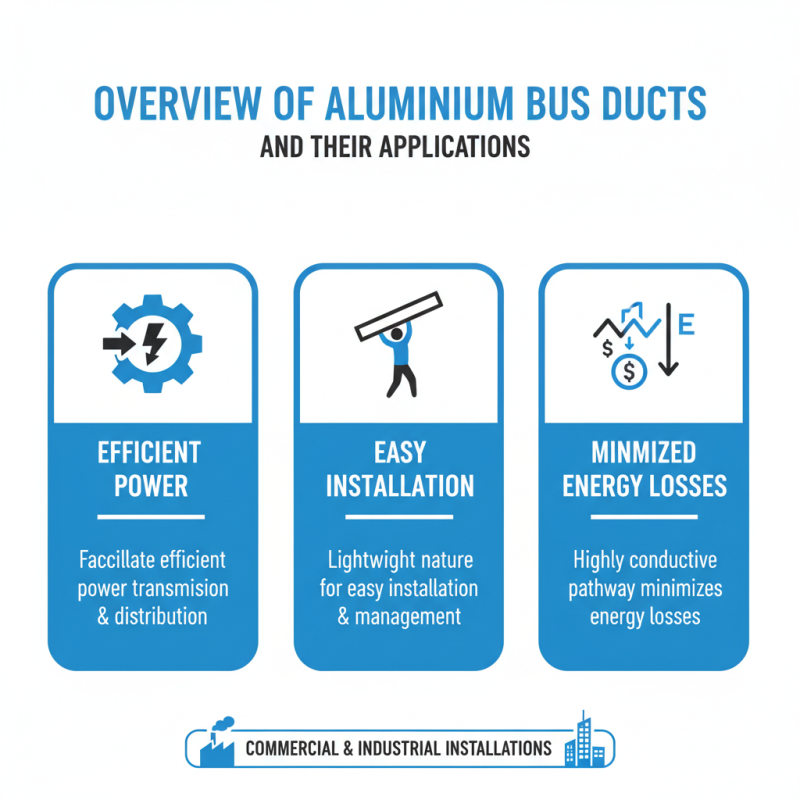
Aluminium bus ducts are essential components in electrical distribution systems. They facilitate efficient power transmission and distribution in commercial and industrial installations. Their lightweight nature makes them easy to install and manage. Additionally, they provide a highly conductive pathway for electrical currents, minimizing energy losses.
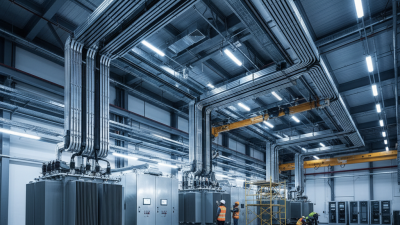
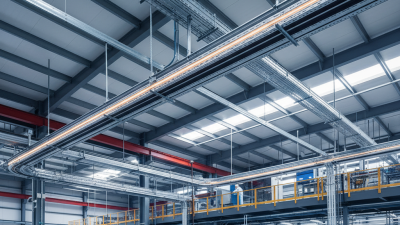
Applications of aluminium bus ducts are diverse. They are commonly found in data centers and manufacturing plants. These systems can handle high currents, making them suitable for heavy machinery. Factories benefit from their low maintenance needs. Over time, however, issues may arise, such as corrosion or overheating. Regular inspections and maintenance are crucial to ensure their longevity.
It’s important to consider the environmental impact too. Recycling aluminium bus ducts can reduce waste significantly. However, the initial production requires energy-intensive processes. This duality raises questions about sustainability. Balancing efficiency with environmental concerns remains a challenge in the industry.
When selecting aluminium bus duct suppliers, focus on reliability and expertise. Look for suppliers with years of experience in electrical components. A solid track record often indicates a commitment to quality and customer satisfaction. According to the International Electrotechnical Commission, the demand for aluminium bus ducts is expected to grow significantly, driven by infrastructure development.
Check if potential suppliers have the necessary certifications. ISO certifications, for instance, signify adherence to international quality standards. A recent report from Research and Markets noted that 53% of buyers prioritize certified suppliers to ensure safety and compliance. Moreover, geographic proximity can reduce transportation costs and enhance communication.
Evaluate product offerings for variety and innovation. Suppliers should provide a range of aluminium bus ducts tailored to different project specifications. However, not all suppliers may adequately address the unique needs of global buyers. Review customer feedback to gauge past performance. This information can reveal whether a supplier consistently meets expectations or if improvements are needed. A thoughtful approach to supplier evaluation can lead to better project outcomes.
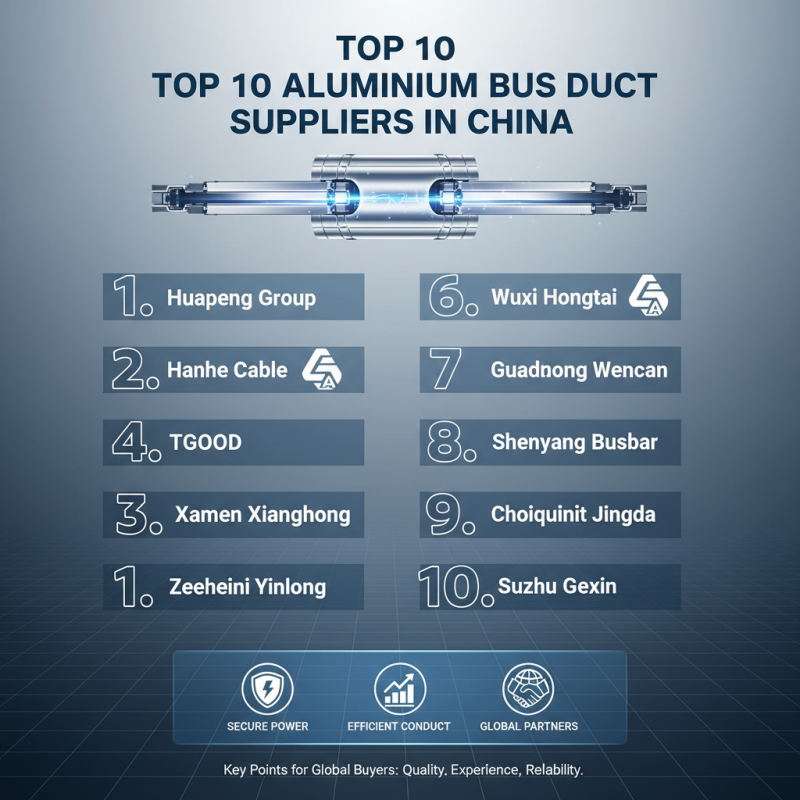
Aluminium bus ducts are essential in modern electrical installations. They conduct electricity securely and efficiently. Many suppliers in China specialize in this market. Their experience and commitment to quality make them prominent players. Choosing the right supplier is crucial for global buyers.
The top suppliers focus on innovation and reliability. Many adhere to strict international standards. This ensures high-quality products that can withstand varying conditions. Some companies emphasize sustainable practices, while others showcase advanced manufacturing technology. A reliable supplier offers support and guidance through the purchasing process. Understanding technical specifications is often overwhelming for many buyers, but reliable suppliers can provide clarity.
While there are many reputable suppliers, not all meet every need. Some may lack consistent quality control, leading to product variability. Buyers should conduct thorough research and seek feedback from previous customers. This can help in identifying suppliers that align with specific requirements. Cultivating strong relationships with a trusted supplier can also lead to better service and potential cost savings. Engaging actively with suppliers often uncovers valuable insights and solutions.
When selecting aluminium bus duct suppliers in China, it's crucial to assess their unique offerings. Many manufacturers excel in customisation, allowing global buyers to tailor products to meet specific project needs. This flexibility can greatly enhance system performance and integration. Buyers should seek suppliers with advanced manufacturing processes, ensuring high precision and durability.
Moreover, the quality of materials used speaks volumes about a supplier's reliability. Some companies focus on eco-friendly materials, appealing to sustainability-conscious clients. The certifications these suppliers possess also indicate adherence to international standards. Unfortunately, not all suppliers maintain rigorous testing procedures, making it essential for buyers to conduct due diligence.
Customer service is another vital aspect. Effective communication can lead to a smoother purchasing experience. Some suppliers may not be as responsive, which can hinder timely project advancement. Identifying companies offering comprehensive technical support can make a significant difference in problem-solving during installation. Effective partnerships hinge on mutual understanding and reliability, so careful selection is paramount.
| Supplier Location | Product Range | Certification | Annual Production Capacity | Export Markets | Key Features |
|---|---|---|---|---|---|
| Beijing | Heavy-duty bus duct systems | ISO 9001 | 500,000 units/year | North America, Europe | High current capacity, Custom designs available |
| Shanghai | Compact bus duct solutions | CE, ISO 9001 | 300,000 units/year | Asia, GCC | Space-saving, Lightweight materials |
| Guangzhou | Aluminium busway systems | UL, ISO 14001 | 400,000 units/year | South America, Africa | High corrosion resistance, Advanced insulation |
| Shenzhen | Customized bus duct solutions | ISO 9001, RoHS | 200,000 units/year | Australia, SE Asia | Fully configurable, Excellent customer support |
| Hangzhou | Bus duct fittings and accessories | ISO 9001 | 150,000 units/year | Middle East, Europe | Robust designs, Expert engineering consultancy |
| Nanjing | Pre-fabricated bus duct units | CE, CCC | 250,000 units/year | Global | Quick installation, High reliability |
| Wuhan | Bus duct and busway systems | ISO 9001, OHSAS 18001 | 350,000 units/year | North America, Asia | Energy-efficient, Safe operation |
| Xian | Aluminium bus duct systems | ISO 9001 | 280,000 units/year | Europe, Middle East | Durable construction, Competitive pricing |
| Chengdu | Standard and custom bus ducts | RoHS, ISO 9001 | 120,000 units/year | Asia, South America | Flexible solutions, Fast delivery |
The demand for aluminium bus ducts is growing steadily in various industries. This growth is driven by the need for efficient power distribution systems. Industry experts suggest that the shift towards renewable energy sources is a significant factor. Companies are increasingly integrating aluminium bus ducts into their infrastructure. This integration enhances energy efficiency and reduces overall operational costs.
Market trends indicate a strong preference for lightweight and corrosion-resistant materials. Aluminium bus ducts fit this criterion perfectly. They offer durability and reliability, making them ideal for both commercial and industrial applications. However, some challenges persist. Manufacturers face issues related to supply chain disruptions and fluctuating raw material prices. This uncertainty can impact production timelines and costs.
Looking ahead, the future for aluminium bus ducts appears promising. Innovations in manufacturing processes may improve efficiency and reduce costs. However, businesses must remain adaptable. Keeping up with technological advancements is crucial in a rapidly evolving market. The focus on sustainability will likely shape future trends as well. This could lead to enhanced designs and improved energy management solutions.