Why Choose Lighting Bus Bar for Your Electrical Distribution Needs?
When it comes to efficient electrical distribution, choosing the right components is crucial. Expert Michael Thompson, a leading figure in electrical engineering, states, "Lighting Bus Bar optimizes both performance and safety in modern systems." This powerful statement underlines the increasing popularity of the Lighting Bus Bar in various applications.
Many industries rely on Lighting Bus Bars for their advantages in reducing installation time and improving reliability. These systems enable compact and flexible configurations, which is particularly beneficial in space-constrained environments. Companies find that the streamlined design of a Lighting Bus Bar can significantly lower maintenance costs and ensure minimal downtime.
However, not all solutions are perfect. Some users report concerns about the initial costs and the need for specialized installation. It's important to weigh these factors against long-term savings. Being informed can lead to better decision-making. Opting for a Lighting Bus Bar can be a game changer, if approached thoughtfully.
Advantages of Using Lighting Bus Bar in Electrical Systems
When it comes to electrical distribution systems, lighting bus bars stand out as a top choice. They offer numerous advantages that enhance efficiency and safety. One key benefit is their ability to handle large currents without overheating. This feature is crucial in environments with high power demands, ensuring reliable operation. Additionally, lighting bus bars reduce the need for extensive wiring. This simplification leads to faster installation times and lower labor costs.
Another notable advantage is their compact design. Unlike bulky cable installations, lighting bus bars save space. In tight areas, such as commercial buildings or industrial sites, this can be a game-changer. They also provide improved accessibility for maintenance. With less clutter, technicians can easily identify issues when they arise. However, it’s essential to consider your specific needs before making a switch. Not every project may require this level of efficiency. An assessment of your electrical system and demands is critical.
Key Features of Lighting Bus Bar for Efficient Distribution
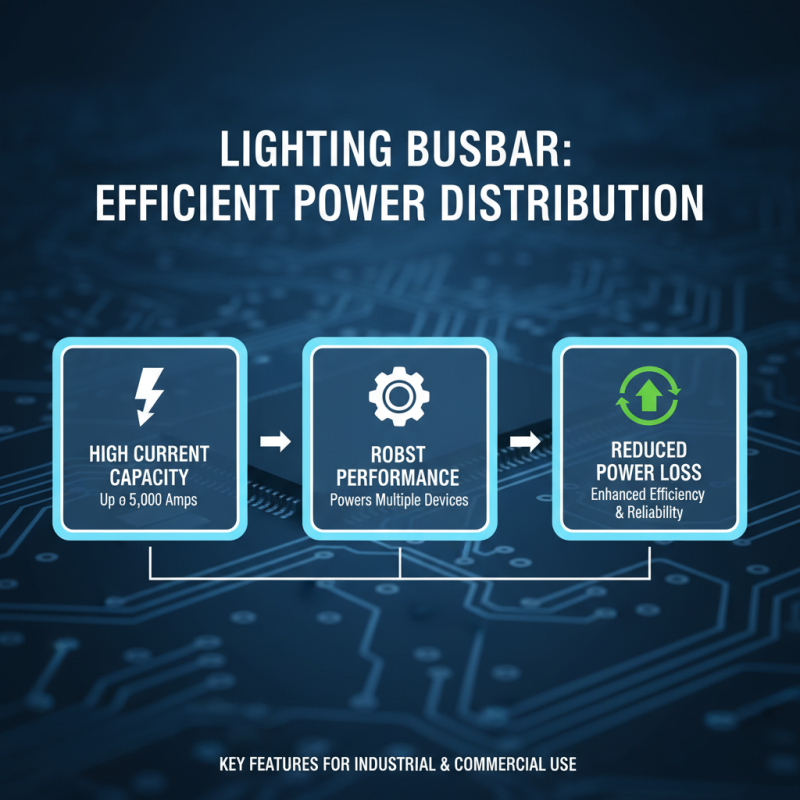
Lighting bus bars are essential for efficient electrical distribution in various applications. Their key features provide significant benefits. The ability to handle high currents makes them ideal for industrial settings. According to industry data, bus bars can transmit up to 5,000 amps, ensuring robust performance across multiple devices. This capacity reduces the risk of power loss while enhancing overall efficiency.
One notable advantage is their space-saving design. Unlike traditional cabling, bus bars have a lower profile. This minimizes the amount of wiring needed, effectively freeing up space in congested electrical rooms. A report by the Electrical Power Research Institute highlights that optimized layouts can increase accessibility by 30%. Such efficiency is a game-changer in both installation and maintenance.
Moreover, bus bars are often made from better conductive materials. Copper and aluminum variants both serve well, although copper generally offers superior conductivity. This difference can impact long-term operational costs. Poor conductivity can lead to energy losses of around 2-3%. Understanding these nuances can help organizations make informed decisions about their electrical distribution systems.
Comparison of Lighting Bus Bar with Traditional Wiring Methods
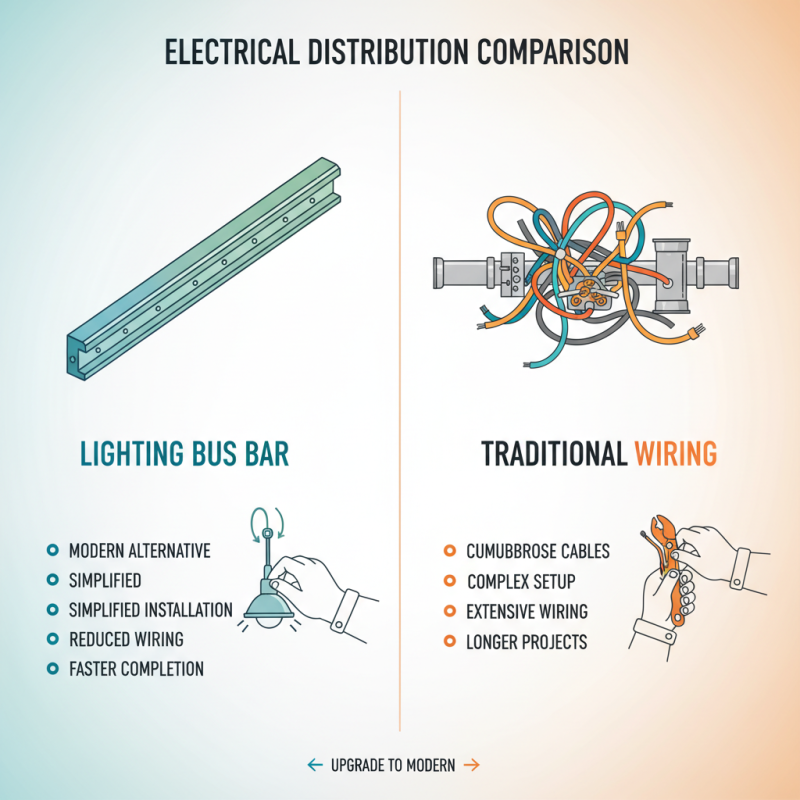
Lighting bus bars are increasingly becoming a favored choice for electrical distribution. They offer a modern alternative to traditional wiring methods, which often involve cumbersome cables and complex installations. The bus bar system simplifies the distribution of electricity, reducing the risk of errors during installation. This approach also minimizes the need for extensive wiring, leading to faster project completion times.
In contrast to traditional wiring, lighting bus bars can handle high loads efficiently. They allow for flexibility in layout changes and expansions. However, some may find the initial costs daunting. Installation might require skilled professionals to ensure safety and compliance with electrical standards. The reliability of bus bars is impressive, offering long-term performance; however, improper installation can compromise this benefit.
Traditional wiring methods have their own set of challenges. They can be labor-intensive, and the layout is less adaptable to future changes. Over time, cables may wear or fail, leading to potential hazards. Maintenance is often more demanding with traditional systems, increasing long-term costs. Balancing the pros and cons of each method is critical for making informed decisions in electrical distribution planning.
Installation and Maintenance Considerations for Lighting Bus Bar
When considering the installation of a lighting bus bar, several important factors come into play. Proper planning is vital. This includes understanding the load requirements and the layout of your electrical distribution system. Ensure the bus bar can handle the amperage safely. A detailed electrical load analysis helps mitigate risks. It also guides the design and placement of the bus bar.
Maintenance is another critical aspect. Regular inspections can identify wear and potential failures. Check connections and ensure they remain secure. Over time, connections can loosen due to thermal expansion and contraction. Cleaning the bus bar periodically is essential to prevent dust and corrosion buildup. These elements can affect performance and reliability.
It's important to remember that even with strict adherence to guidelines, unforeseen issues may arise. Miscalculations can lead to inadequate power distribution. Keeping meticulous records can help track performance trends over time. This aids in making informed decisions regarding future upgrades or replacements. Each installation offers a learning experience that can improve future practices.
Lighting Bus Bar Performance Comparison
This chart illustrates the electrical conductivity of different materials used in lighting bus bars. Copper demonstrates the highest conductivity, making it an ideal choice for electrical distribution. Aluminum offers a good balance of cost and performance, while steel provides the lowest conductivity among the three materials.
Applications of Lighting Bus Bar in Various Industries
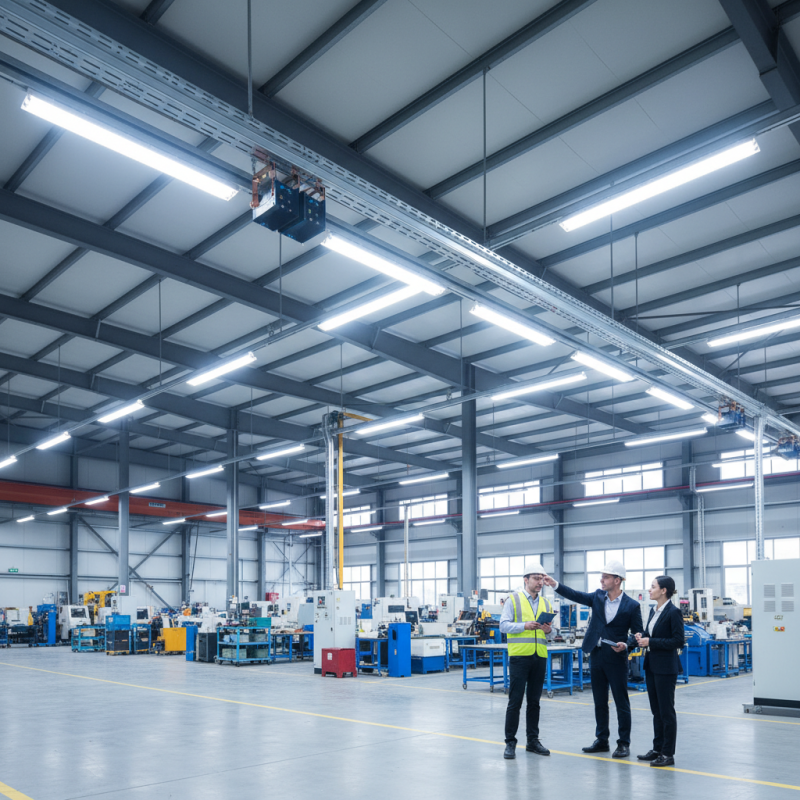
Lighting bus bars are becoming increasingly popular in various industries due to their efficiency and reliability. In manufacturing, they facilitate high power distribution. This setup minimizes the risks of overheating. The lightweight nature enables easy installation in tight spaces. It is crucial for productivity in factories.
In commercial settings, the flexibility of lighting bus bars applies to many lighting configurations. They can adapt to changing layouts. This adaptability supports evolving needs in offices and retail environments. Moreover, they require minimal maintenance, which can save costs long term. However, the initial setup can be complex and may require skilled technicians.
In data centers, lighting bus bars ensure consistent power delivery. This reliability is vital for server uptime. Yet, some facilities struggle with integrating these systems effectively. Continuous training is necessary for maintenance teams. Mistakes can lead to outages or equipment damage. Therefore, proper education and documentation are essential for success.