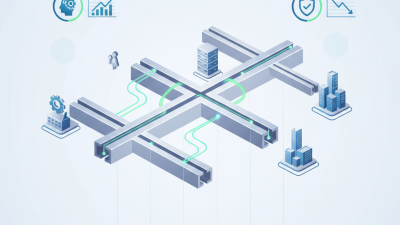
Digital Best Practices for Non Segregated Phase Bus Systems?
In today's rapidly evolving electrical industry, the implementation of Non Segregated Phase Bus systems has become crucial for enhancing efficiency. Experts like Dr. Emily Hart, a leading authority in electrical engineering, emphasize, “The integration of Non Segregated Phase Bus technology optimizes space and performance.” This reflects a growing need for modern solutions that combine space efficiency with high performance.
Non Segregated Phase Bus systems offer significant advantages, such as minimizing installation space and reducing the complexity of electrical distribution. However, deploying these systems effectively requires adherence to established best practices. Poorly executed installations can lead to inefficiencies and safety hazards, illustrating the need for continuous improvement.
Moreover, organizations must stay updated on technological advancements. This dynamic landscape can challenge even experienced professionals. Engaging with industry resources and peer networks can uncover valuable insights, improving practices around Non Segregated Phase Bus systems. Addressing current limitations and fostering an environment of learning can lead to a safer and more efficient electrical infrastructure.
Overview of Non-Segregated Phase Bus Systems and Their Applications
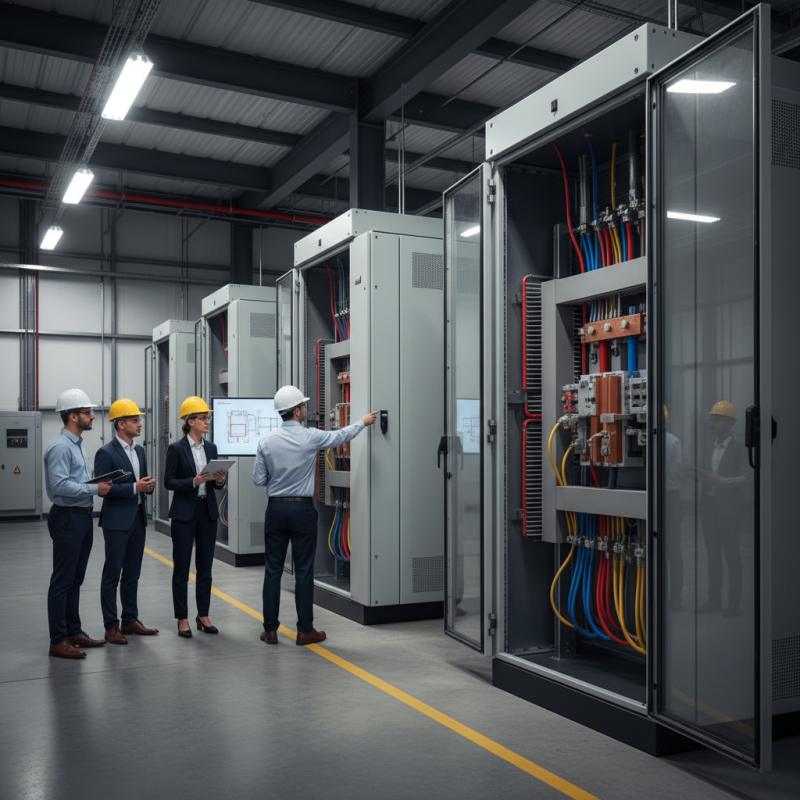
Non-segregated phase bus systems (NSPBS) are essential in modern electrical frameworks.
These systems feature multiple conductor phases enclosed in a common shell. They streamline design, reduce footprint, and enhance safety.
Their compact nature allows for installation in limited spaces, which is critical for urban infrastructure.
An industry report indicated that NSPBS can boost power transmission efficiency by up to 20%.
They are commonly applied in substations and power plants. Applications extend to data centers and renewable energy installations.
These systems deliver reliable performance, even in challenging environments. However, improper installation
can lead to overheating or failure.
The reliance on NSPBS raises concerns about maintenance practices. Regular inspections are crucial to ensure long-term operation.
Many facilities overlook this aspect, assuming these systems are low-maintenance.
Data suggests that a proactive maintenance schedule can reduce unexpected failures by 30%.
It is vital to assess current practices to improve reliability and performance.
Key Digital Technologies Enhancing Non-Segregated Phase Bus Systems
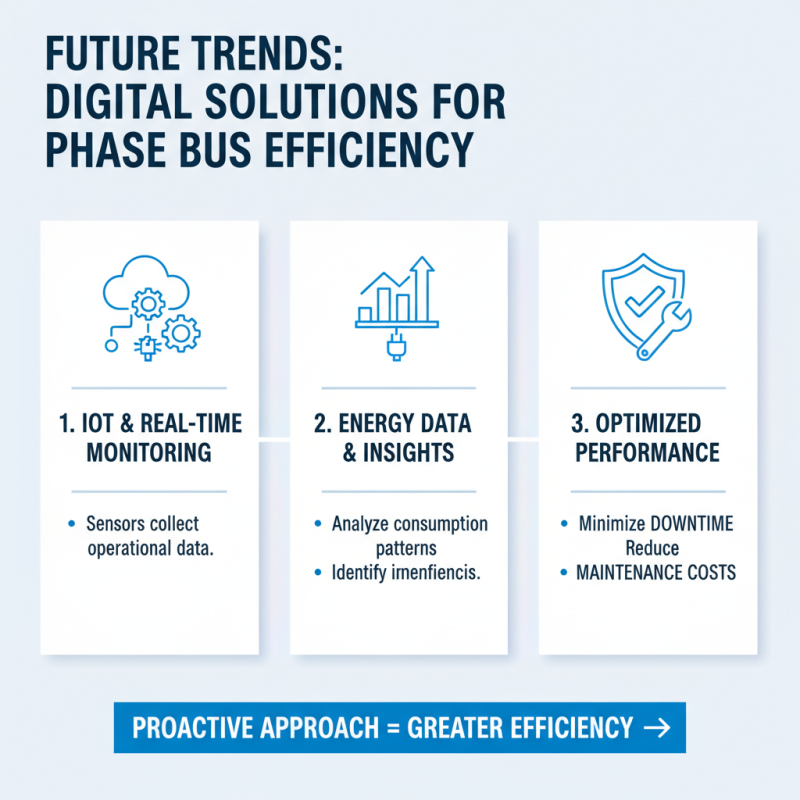
Non-segregated phase bus systems (NSPBS) are crucial for modern electrical networks. They are compact and efficient, supporting high power densities. However, the integration of digital technologies considerably enhances their effectiveness. For instance, advanced sensors enable real-time monitoring of environmental conditions. This leads to faster responses to potential failures. According to recent industry reports, up to 70% of electrical failures can be detected with timely sensor data.
Predictive analytics is another game-changer. By analyzing historical performance data, operators can anticipate issues before they escalate. This proactivity reduces costs associated with unplanned downtime. A study by an energy consulting firm highlighted that predictive maintenance could lower operational costs by nearly 25%. Despite these benefits, reliance on digital systems demands continuous skill updates for operators. Training is often overlooked, leading to knowledge gaps that can jeopardize system reliability.
Moreover, implementing cybersecurity measures is vital. as digital threats are increasing. An estimated 50% of companies experience cyber-attacks each year. This statistic emphasizes the need for robust defense mechanisms in NSPBS. While digital tools offer immense advantages, they also pose challenges. Balancing innovation with security and training remains essential for optimal performance.
Digital Best Practices for Non-Segregated Phase Bus Systems
Best Practices for Monitoring and Maintenance in Bus Systems
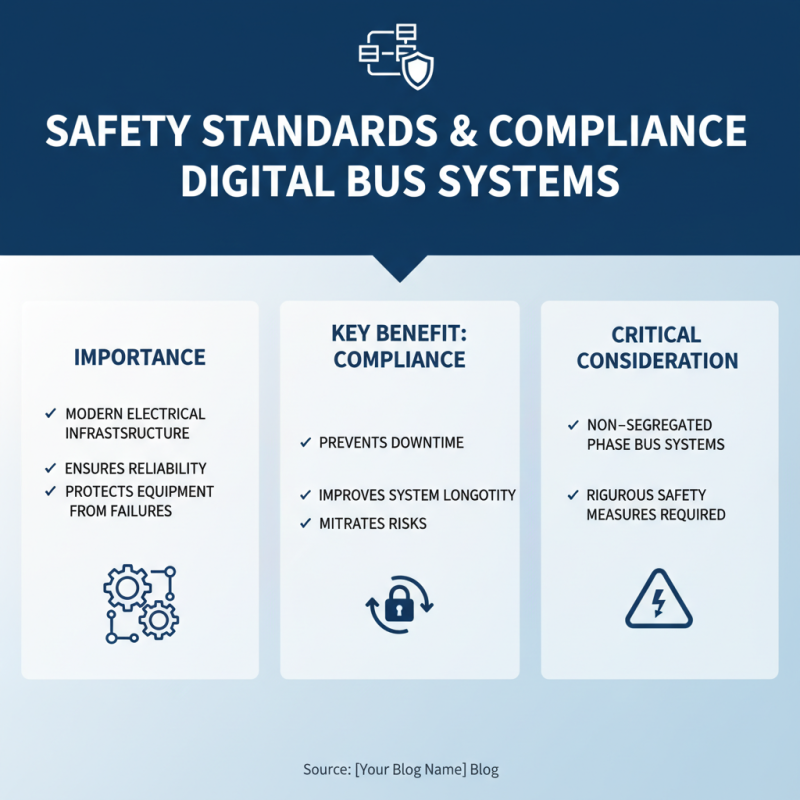
Monitoring and maintenance of non-segregated phase bus systems are crucial for reliability. A report from the Institute of Electrical and Electronics Engineers highlights that improper maintenance can lead to system failures, impacting overall efficiency. Frequent inspections are essential. Regular checks can mitigate the risk of electrical faults significantly.
Thermal imaging and vibration analysis have proven effective methods for ongoing monitoring. Studies indicate that these techniques can detect anomalies before they evolve into critical issues. Data from industry research shows that proactive maintenance reduces downtime by up to 30%. However, many facilities still rely on reactive strategies, risking costly outages.
Documentation of maintenance activities is vital. Accurate records help analyze trends and identify potential weaknesses. Unfortunately, some organizations overlook this step, which can result in lost insights. Investing in training staff on these best practices is necessary but often neglected. Enhancing team knowledge fosters a culture of safety and reliability, ultimately benefiting the entire system.
Digital Best Practices for Non Segregated Phase Bus Systems
| Aspect |
Best Practice |
Frequency |
Performance Indicator |
| Temperature Monitoring |
Use thermal cameras and sensors to monitor hot spots. |
Monthly |
Number of critical heat alerts |
| Connection Integrity |
Regular inspection of connectors and bolted joints. |
Quarterly |
Number of loose connections detected |
| Vibration Monitoring |
Install vibration sensors to detect anomalies. |
Bi-weekly |
Vibration levels exceeding safe thresholds |
| Power Quality Analysis |
Monitor for voltage sags, swells, and harmonics. |
Weekly |
Power quality index score |
| Regular Maintenance |
Schedule systematic cleaning and maintenance checks. |
Semi-Annually |
Completion percentage of maintenance tasks |