10 Essential Tips for Choosing Cable Bus Ducts Effectively?
Selecting the right Cable Bus Duct is crucial for any electrical installation. This decision impacts efficiency, safety, and operational reliability. A high-quality bus duct reduces energy loss and minimizes maintenance requirements. However, not every product on the market meets these standards. Understanding the key factors for effective selection is essential.
Many factors influence the choice of Cable Bus Duct. Material quality, temperature capacity, and installation method are vital considerations. Potential users may overlook these elements, leading to costly mistakes. It is important to consult experienced professionals during the selection process. Their insights can prevent future issues and enhance project outcomes.
Striking the right balance between cost and quality is often challenging. Some may prioritize savings, but this can compromise system integrity. Thoughtful evaluations are necessary. Engaging with reputable manufacturers ensures compliance with safety standards. Quality products not only enhance performance but also ensure long-term satisfaction in your electrical systems.
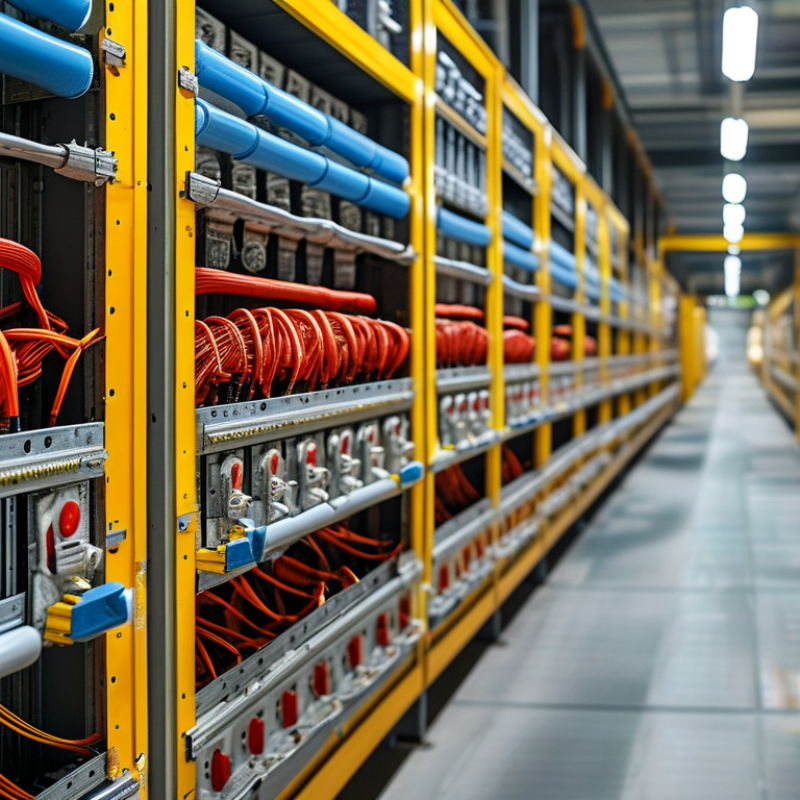
Understanding Cable Bus Ducts: Types and Applications
Cable bus ducts are vital in modern electrical distribution systems. They provide a safe and efficient way to manage electrical cables in various environments. Understanding the different types of cable bus ducts is essential for selecting the right one. There are typically three main types:
open,
enclosed, and
modular. Each type has unique applications based on space, safety, and environmental conditions.
Open ducts are commonly used in large industrial settings, allowing for easy access to cables. Enclosed ducts offer more protection from dust and moisture, making them suitable for commercial buildings. Modular ducts add flexibility, allowing for easy adjustments and expansions. Consider your specific needs when choosing a type. The right one can enhance safety and efficiency.
It's also worth noting that installation can be tricky. Poor installation may lead to operational issues. Regular maintenance is essential to keep systems running smoothly. Not all installations go as planned. Some may face challenges like overheating or accessibility issues over time. Factor these aspects into your decision-making process. Quality installation and regular check-ups ensure long-term reliability and performance.
Key Factors to Consider When Choosing Cable Bus Ducts
Choosing the right cable bus ducts is crucial for efficient power distribution.
The selection process involves several key factors that impact overall performance and safety.
According to industry reports, over 70% of electrical failures can be traced back to inadequate or improperly installed cable systems, emphasizing the need for careful selection.
Material quality is a significant factor. Opt for ducts made from durable materials that resist corrosion and environmental factors.
Aluminum is a common choice, but don't overlook coated steel for specific applications. Proper choice impacts longevity and service life.
Tip: Consult with manufacturers to understand the material's electrical and thermal properties.
Another important consideration is system capacity. You must evaluate the maximum current load.
Systems designed with future scalability can save money and effort down the line. Research shows that over 60% of installations require upgrades within five years.
Tip: Always plan for future expansion.
Ultimately, keep in mind the installation environment.
Factors like exposure to chemicals or extreme temperatures can shorten the duct's lifespan.
Prioritize compliance with national standards as well. This ensures reliability and minimizes risks.
Evaluating Material Quality and Durability of Cable Bus Ducts
When selecting cable bus ducts, evaluating material quality is crucial. High-quality materials enhance performance and longevity. According to industry reports, nearly 30% of system failures arise from poor material choices. Therefore, emphasis on durability cannot be overstated.
Commonly used materials include aluminum and copper. Aluminum provides lightweight benefits but may corrode under certain conditions. Meanwhile, copper offers superior conductivity but is heavier and more expensive. Recent studies show that copper's lifespan can exceed 30 years, while aluminum may start degrading after a decade. This longevity aspect must factor into your choice.
Beyond materials, consider the construction methods. Ducts with reinforced seams can resist environmental stress. A report by the Electrical and Electronic Engineers Association suggests that poorly constructed ducts lead to 15% higher maintenance costs annually. Investing in quality construction ensures fewer issues in the long run. Each choice has trade-offs. Weigh operational needs against potential risks for a well-informed decision.
Assessing Load Capacity and Electrical Requirements
When assessing load capacity and electrical requirements for cable bus ducts,
start by understanding your specific power needs. Calculate the total amperage your system will handle.
Consider future expansion. This foresight will help prevent overloads down the line. Remember,
underestimating requirements can lead to serious failures.
Choosing the right materials is equally important. Look at the thermal properties of the ducts.
Some materials can withstand higher currents without overheating. This choice impacts safety and performance.
Test results from similar applications in the field can provide valuable insights.
However, always remain cautious; not every situation is identical.
Evaluate the whole system design. This includes protective measures and backup plans.
Analyze potential points of failure and how they will affect performance. Documentation from reputable sources can guide your decisions.
Be open to feedback from engineering professionals. Learning from past experiences
enhances your understanding and ensures better results in the future.
Installation and Maintenance: Best Practices for Cable Bus Ducts
When it comes to installation and maintenance of cable bus ducts, attention to detail is critical. A well-planned installation can prevent future complications. According to industry reports, improper installation accounts for up to 30% of maintenance issues. Therefore, proper training for installation teams is essential. They should fully understand the nuances of cable bus systems.
Regular inspections are vital for ensuring longevity. A routine check can identify signs of wear or damage early. Industry experts suggest inspecting cable bus ducts at least twice a year. This practice can significantly reduce downtime and repair costs. A well-maintained duct system can improve overall system reliability by up to 25%.
Tip: Choose materials that resist environmental factors. Look for protective coatings to guard against corrosion. This can extend the lifespan of your system. Another tip: pay close attention to the alignment during installation. Misalignment can lead to unnecessary strain on cables and increases risks of failure. Such details can make a big difference in performance. Less attention to these aspects can cost time and resources later.