How to Choose the Right Cable Bus Duct for Your Electrical Needs?
Choosing the right Cable Bus Duct for your electrical needs is crucial in today's industrial landscape. According to a recent market analysis by Research and Markets, the global bus duct market is forecasted to reach over $9 billion by 2026. This significant growth highlights the importance of selecting efficient and reliable electrical solutions.
Cable Bus Duct systems offer various advantages, including enhanced safety, reduced installation time, and lower maintenance costs. However, not every system is suitable for all applications. Factors such as load capacity, environment, and installation space greatly affect the performance and longevity of the bus duct. Ensuring compliance with industry standards is equally vital for reliability.
Making the right choice can be challenging. Many industries overlook critical details, which can lead to inefficiencies or increased costs. Engaging with industry experts and referencing reliable data can improve decision-making. The right Cable Bus Duct not only meets current needs but also anticipates future electrical demands, providing a sustainable solution.
Understanding the Basics of Cable Bus Duct Systems
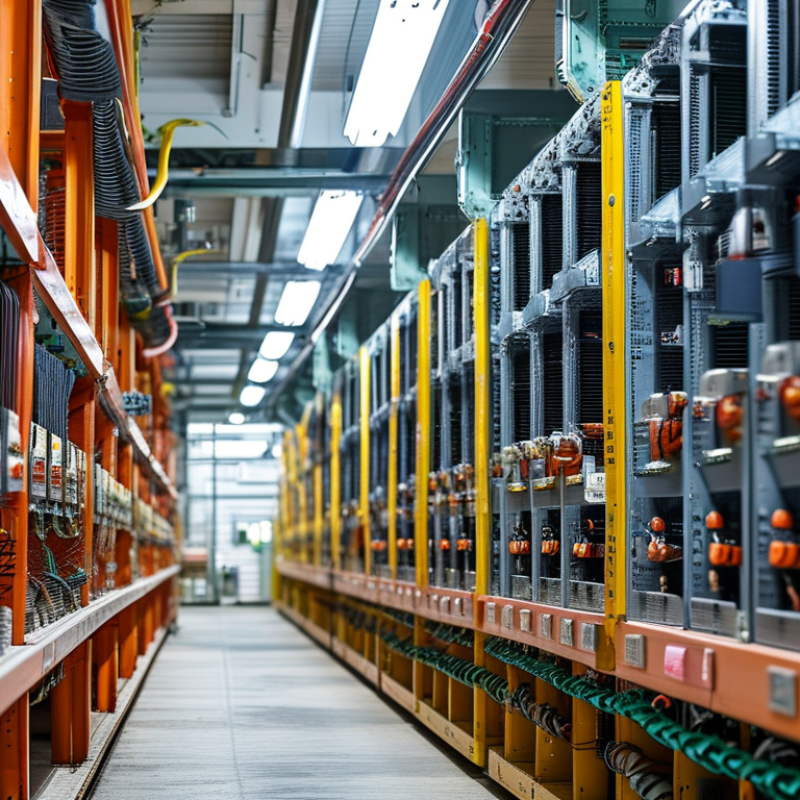
When considering cable bus duct systems, it's essential to understand their components and functionality. A cable bus duct is a metal enclosure that protects electrical cables. It allows for organized routing of electrical power. A well-designed system enhances safety and efficiency in industrial applications.
Selection involves evaluating several criteria. First, consider the type of environment. The duct may need protection from harsh weather or corrosive substances. Materials like aluminum or steel can be chosen based on durability and cost. Pay attention to the system's amperage rating. It must meet the requirements of your electrical load.
Understanding installation procedures is crucial. Improper mounting can lead to mechanical issues. Ensure alignment and support for the cable duct are planned carefully. It’s beneficial to consult with experts who can provide reliable guidance. Every installation presents unique challenges. Reflecting on past experiences can help enhance future decisions in choosing the right system.
Evaluating Your Electrical Load Requirements
When evaluating your electrical load requirements, start by determining the total amperage needed for your application. The National Electrical Manufacturers Association (NEMA) reports that most commercial facilities need between 100 to 1,200 amps for standard operations. Understanding this range helps in selecting an optimal cable bus duct system. Each electrical installation has unique needs.
Consider peak loads, which can vary significantly, ranging from 1.25 to 1.5 times the average load. Significant short-term spikes can occur, impacting your choice of components. Insufficient capacity could lead to overheating risks or costly downtime. Thorough analysis aids in preventing these issues.
Documenting your current and future loads is essential. Growth trends indicate that electrical consumption will rise by approximately 1.8% annually by 2025, per the U.S. Energy Information Administration. A miscalculation now can lead to expensive adjustments later. Adopting a proactive approach in load assessments is a best practice. Avoiding this can result in oversizing, which can waste resources and space. Remember, accurately projecting your load is crucial for effective installation.
Comparing Different Materials and Designs of Cable Bus Ducts
When selecting a cable bus duct, material matters. Copper and aluminum are the two primary choices. Copper offers excellent conductivity but comes with a higher price tag. According to a report by the National Electrical Manufacturers Association (NEMA), copper’s conductivity is about 60% higher than that of aluminum. This means reduced energy loss, making copper ducts ideal for high-performance applications.
Aluminum, while less conductive, has advantages of weight and cost. It's lighter, making installation easier and cheaper. Many industries prefer aluminum for its balance between performance and cost-efficiency. A recent industry study indicated aluminum ducts can reduce overall installation costs by approximately 25%. However, they may not perform as well in extreme temperatures, potentially leading to greater energy losses.
Design is another crucial consideration. Cable bus ducts come in various configurations, affecting airflow and heat dissipation. Open designs promote cooling but can be more vulnerable to environmental factors. Enclosed designs offer protection but could trap heat if not properly ventilated. Each design has trade-offs, and finding the right balance is essential. Ignoring these factors can lead to inefficient systems and higher operational costs over time.
How to Choose the Right Cable Bus Duct for Your Electrical Needs?
| Material |
Temperature Rating |
Load Capacity |
Installation Complexity |
Cost (Per Meter) |
| Aluminum |
-40°C to 80°C |
200A |
Low |
$25 |
| Copper |
-20°C to 90°C |
400A |
Medium |
$50 |
| Stainless Steel |
-30°C to 100°C |
600A |
High |
$75 |
| Fiberglass |
-40°C to 90°C |
150A |
Low |
$30 |
| Plastic |
-10°C to 60°C |
100A |
Very Low |
$15 |
Assessing Installation and Maintenance Considerations
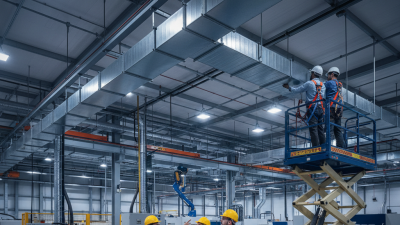
When selecting a cable bus duct, installation and maintenance considerations are crucial. Proper installation ensures longevity and efficiency. It's essential to assess the layout of your facility. Determine the distance between power sources and distribution points. Always adhere to safety standards. Skilled professionals should handle intricate installations. They bring vital expertise to the process.
Maintenance plays a significant role in performance. Regular inspections help catch issues early. Look for signs of wear or corrosion. Dust and debris can compromise functionality. A clean environment extends the lifespan of your cable bus duct.
Tips: Schedule routine checks. Keep documentation of all maintenance activities. It ensures accountability and allows for better management. Training staff on basic maintenance could save time. Small measures lead to better reliability. Always evaluate the system after significant changes in power load. Reflection on past maintenance will guide future actions, ensuring effective management.
Cable Bus Duct Selection - Installation and Maintenance Considerations
Selecting the Right Vendor and Specifications for Your Project
Choosing the right vendor for your cable bus duct project is crucial. A vendor with a proven track record can provide valuable insights. Look for companies with certifications to ensure they meet industry standards. This not only assures you of quality but also reliability.
When assessing specifications, consider the environmental conditions where the duct will be installed. High temperatures, humidity, and exposure to chemicals can affect performance. Seek products that offer appropriate ratings for these factors.
Tip: Always request samples or prototypes. This helps in visualizing how the duct will fit into your project.
In addition, review the vendor’s customer service. A responsive team can provide crucial support during installation. This is an often-overlooked aspect but is vital for project success. Don’t hesitate to check reviews or ask for references.
Tip: Take note of any red flags, such as delayed responses or unclear communication. These may indicate potential issues down the line.