Top 5 Bus Bar Trunking Solutions for Global Buyers?
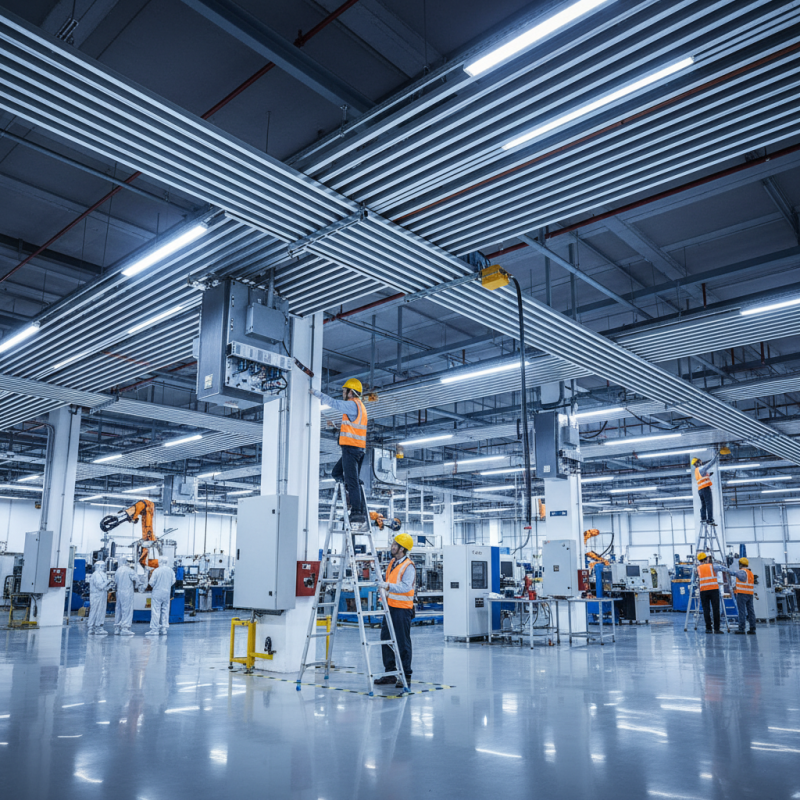
In today's competitive market, choosing the right Bus Bar Trunking solutions is crucial for efficiency. Bus Bar Trunking integrates electrical distribution with minimal loss. It offers flexibility in installation and reduces wiring complexity. With several options available, global buyers need to understand key products.
Many manufacturers provide innovative Bus Bar Trunking systems. Each product has unique features tailored for different applications. Buyers should consider factors like load capacity, installation ease, and safety standards. Reliability is vital when selecting a product.
While these solutions can enhance performance, challenges remain. Misalignment during installation may lead to potential issues. Buyers must ensure proper training and awareness of system requirements. Engaging with experienced suppliers can mitigate risks and ensure a successful installation.
Overview of Bus Bar Trunking Systems and Their Importance
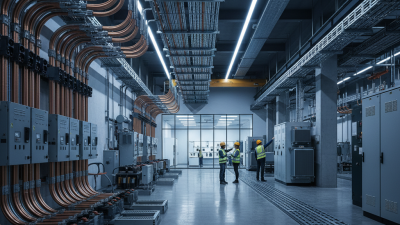
Bus bar trunking systems play a crucial role in modern electrical distribution. These systems ensure efficient power distribution, heat dissipation, and safety in commercial and industrial settings. According to industry reports, the global bus bar trunking market is predicted to reach USD 20 billion by 2025, growing at a CAGR of 8.1%. Such growth underscores the rising demand for reliable and efficient electrical solutions.
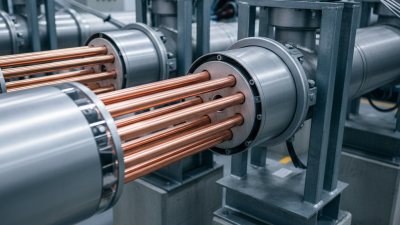
These trunking systems provide flexibility in installation. They can easily adapt to changing layouts and increased power needs. Typically, they feature aluminum or copper conductors, which offer excellent conductivity and lower energy losses. Moreover, they are compact, reducing the space required compared to traditional wiring methods. However, one must be cautious. Poor installation practices can lead to overheating and safety hazards. Proper training and adherence to installation standards are vital.
Furthermore, regular maintenance is essential. Over time, wear and tear can affect performance and safety. Routine checks can help identify potential issues before they become serious problems. Investing in high-quality trunking solutions is important, yet it’s equally important to prioritize proper maintenance to ensure long-term reliability. In a fast-evolving technological landscape, keeping up with best practices remains a challenge for many organizations.
Key Features to Consider When Choosing Bus Bar Trunking Solutions
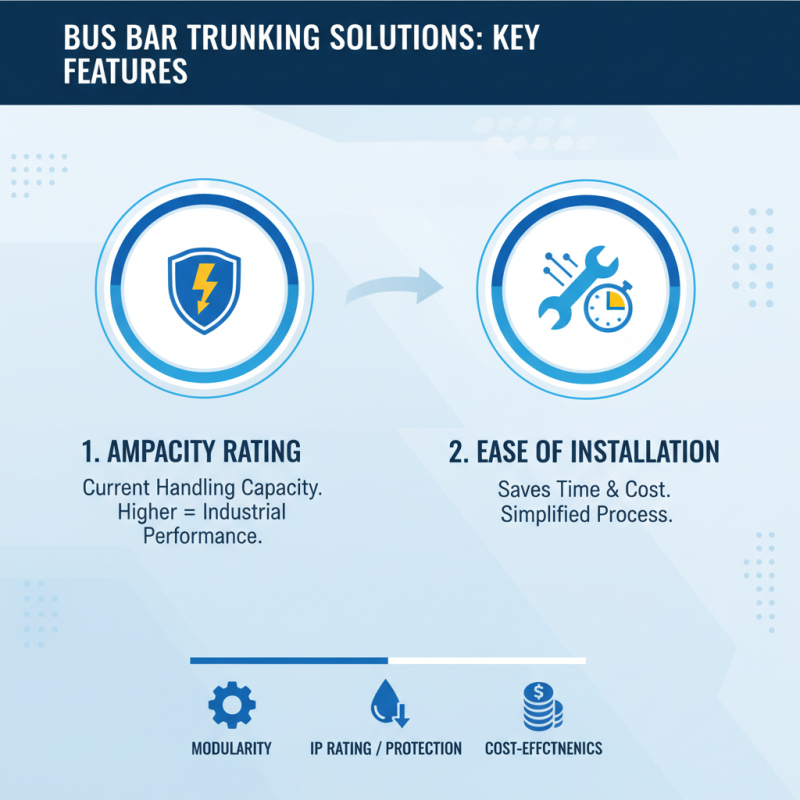
When choosing bus bar trunking solutions, several key features are vital. First, assess the ampacity rating. This indicates how much current the trunking can handle. High ratings mean better performance in industrial settings. Pay attention to the installation process too. Simpler installations save time and cost.
Material quality cannot be overlooked. Opt for corrosion-resistant options. This extends the system's lifespan. Additionally, consider the bus bar's configuration. A modular design offers flexibility for future expansions. Straight or curved bus bars may fit specific layouts better.
Finally, safety standards are crucial. Ensure compliance with local regulations. Evaluating thermal management features is also worth the time. Poor thermal performance can lead to failures. Each decision holds weight. Rushed choices can create issues down the line. Choose wisely, as the right solution enhances efficiency.
Top 5 Global Manufacturers of Bus Bar Trunking Systems
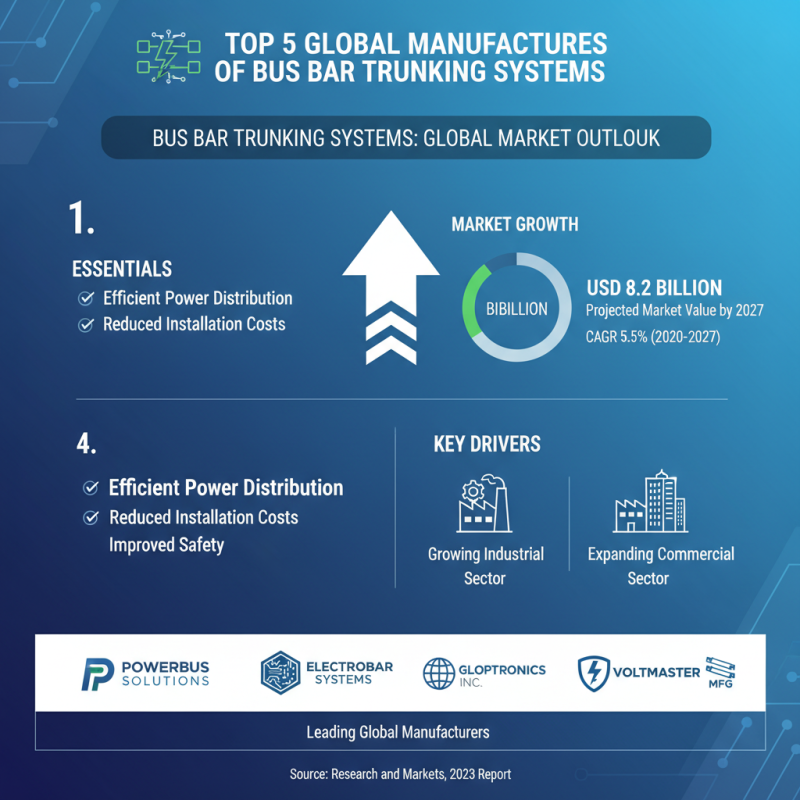
Bus bar trunking systems have become essential in modern electrical installations. They offer efficient power distribution, reduced installation costs, and improved safety. The global demand for these systems is driven by the growing industrial and commercial sectors. A report by Research and Markets states that the bus duct market is projected to reach USD 8.2 billion by 2027, reflecting a compound annual growth rate (CAGR) of 5.5%. This growth highlights the increasing need for reliable power solutions.
Several manufacturers lead the industry. They are recognized for their innovative designs and technology. These companies develop products that enhance energy efficiency while ensuring durability. A common trend in the industry involves the use of insulated busbar trunking, which minimizes energy loss and provides better safety. Through efficient engineering, manufacturers are addressing the challenges of high current loads and space constraints.
However, not all bus bar systems are created equal. Businesses need to critically evaluate their options. Performance, maintenance ease, and scalability should be considered. Despite the advancements, some systems still face issues like overheating and installation complexities. These factors can lead to downtime and affect overall productivity. Choosing the right manufacturer and product is crucial for achieving optimal results.
Comparative Analysis of Popular Bus Bar Trunking Solutions
Bus bar trunking systems are vital for energy distribution in commercial buildings. Their efficiency and reliability can significantly impact operational costs. A comparative analysis reveals various solutions that cater to different needs.
When choosing a bus bar trunking system, consider the material used. Aluminum and copper are two popular options. Each material offers unique benefits. Copper has higher conductivity, while aluminum provides weight advantages. Assess your project's requirements carefully. Proper evaluation can lead to substantial long-term savings.
Tip: Always analyze the load capacity before selecting a system. Each installation has specific demands. Failing to match the capacity can lead to performance issues.
Design flexibility is another significant factor. Some solutions allow for easy modifications. This adaptability can be beneficial for future expansions. However, modifying can introduce complexities. Ensure that the system can handle such adjustments.
Tip: Look for manufacturers that provide clear guidelines on customization. Understanding these can help prevent costly mistakes and enhance reliability. Choose options that offer straightforward installation processes to reduce downtime.
Top 5 Bus Bar Trunking Solutions Comparative Analysis
Future Trends in Bus Bar Trunking Technologies and Applications
The future of bus bar trunking technologies looks promising. As the demand for efficient power distribution grows, so do the innovations in this sector. For instance, modular designs are gaining traction. These designs allow for easy customization and scalability. Users can adapt setups based on their specific needs. This flexibility is crucial in modern industries.
Another emerging trend is the integration of smart technologies. Smart bus bar systems can monitor energy consumption in real time. They provide valuable data for businesses looking to enhance efficiency. However, the reliance on technology can also lead to vulnerabilities. Cybersecurity must be a focal point as systems become more interconnected.
Sustainability remains a key consideration. Eco-friendly materials and efficient energy use are essential for future products. Manufacturers are exploring renewable materials. This approach not only reduces environmental impact but also promotes longevity. Yet, the transition to sustainable practices poses challenges. Balancing costs with innovation requires ongoing reflection and effort from industry leaders. Will these advancements meet the demands of a fast-evolving energy landscape?