China Top Non Segregated Bus Duct Solutions for Efficient Power Distribution?
In the realm of power distribution, Non Segregated Bus Duct solutions have become pivotal. Industry expert Dr. Li Wei emphasizes, “Efficiency in power distribution starts with the right infrastructure.” This underscores the significance of choosing the appropriate bus duct systems, especially in high-demand environments.
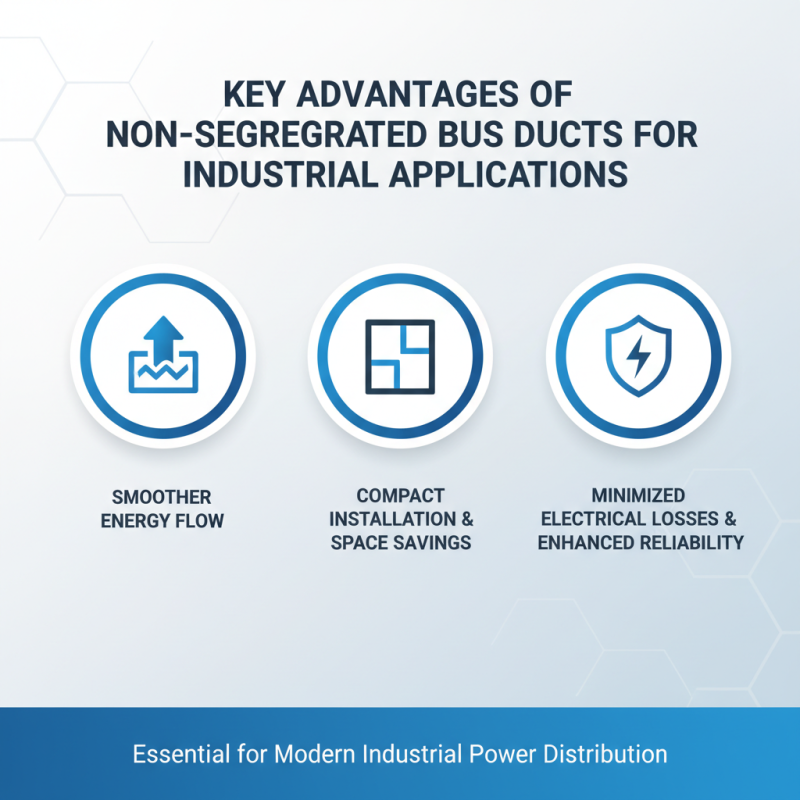
Non Segregated Bus Ducts offer multiple advantages. They ensure space-saving designs while maintaining optimal safety standards. Additionally, these systems enhance energy efficiency and reduce installation costs. However, not all products on the market meet these criteria. It's essential for companies to perform due diligence before making decisions.
In a rapidly evolving market, the reliability of Non Segregated Bus Duct solutions cannot be overstated. Businesses must remain vigilant, researching and investing in high-quality options. The right choice can significantly impact operational efficiency and overall reliability. Crafting a well-informed strategy is vital to harnessing the potential of Non Segregated Bus Ducts effectively.
China's Leading Non-Segregated Bus Duct Solutions in Power Distribution
In recent years, China's power distribution sector has seen a shift towards non-segregated bus duct solutions. These systems offer improved efficiency and flexibility in various applications. According to a report by the China Electric Power Research Institute, the adoption of non-segregated designs has increased by over 30% since 2020. This trend reflects the growing need for reliable power distribution methods in urban environments and industrial settings.
The non-segregated bus duct system is particularly favored in large facilities. It minimizes installation space while maximizing performance. Data shows that companies utilizing these systems have reported reduced maintenance costs by approximately 15%. However, challenges remain. Ensuring the durability and safety of these systems under extreme conditions is essential. Industry evaluations highlight that some implementations fall short of longevity expectations, necessitating a reevaluation of design standards.
This innovative solution is not without its critics. Some experts argue that potential overheating issues could compromise efficiency. The need for a comprehensive assessment of thermal management is pressing. As demand for innovative power solutions continues to grow, addressing these concerns will be crucial. Balancing efficiency with safety will ultimately shape the future of non-segregated bus duct solutions in China's power distribution landscape.
Non-Segregated Bus Duct Solutions for Power Distribution Efficiency
This chart represents the energy efficiency of different non-segregated bus duct solutions used in power distribution. Each category showcases the average efficiency rating based on industry data.
Market Trends and Growth Projections for Bus Duct Systems in China
The demand for bus duct systems in China is increasing. This growth is driven by the country’s expanding infrastructure and industrial sectors. Businesses seek reliable solutions for efficient power distribution. Non-segregated bus ducts are becoming popular due to their compact designs and cost-effectiveness. They enable easier installation and maintenance, which is appealing to many industries.
Market trends indicate a shift towards automation and smart technology in power distribution. Key players are exploring innovative designs that improve energy efficiency. However, challenges remain. Aging infrastructure and regulatory hurdles can slow down progress. Companies must adapt and invest in research to address these issues. The need for sustainability is also pressing. It encourages further development of eco-friendly solutions.
Growth projections suggest a promising future for bus duct systems in China. With continued urbanization, the market is likely to expand. Effective power distribution will play a critical role in supporting this growth. Businesses are expected to prioritize robust, reliable systems. The potential for the industry is significant, but manufacturers must heed the evolving landscape.
Comparative Analysis of Non-Segregated vs. Segregated Bus Ducts
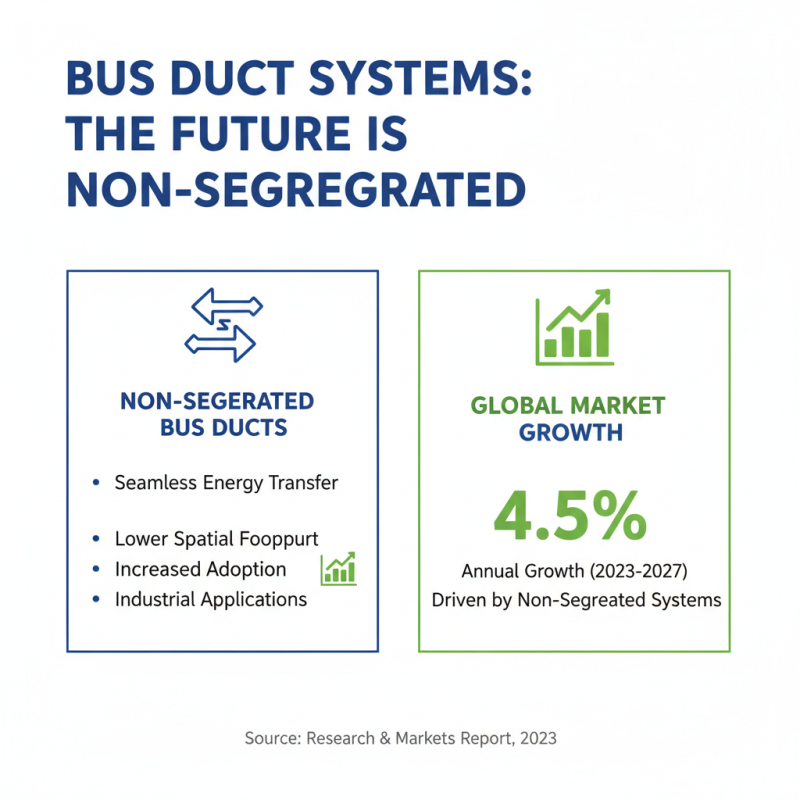
Non-segregated bus ducts are gaining traction in the power distribution sector. These solutions provide seamless energy transfer with a lower spatial footprint. According to a recent report by Research and Markets, the global market for bus duct systems is expected to grow by 4.5% annually through 2027. This growth indicates a strong shift toward non-segregated systems, particularly in industrial applications.
The primary advantage of non-segregated bus ducts is their efficient use of space. They take up less room and allow for easier access and maintenance. Data indicates that non-segregated designs can reduce installation time by up to 20%. However, they do have vulnerabilities. In harsh environments, such as those with high dust or moisture levels, these systems may require more rigorous maintenance. This need can lead to increased operational costs if not managed properly.
In contrast, segregated bus ducts offer enhanced safety by providing a physical barrier between conductors. This is crucial in environments where short circuits are likely. According to industry feedback, while segregated systems could ensure greater reliability, they tend to be bulkier and more expensive to install. Organizations must carefully weigh these factors when choosing the right solution for their needs.
Case Studies: Successful Implementation of Non-Segregated Bus Ducts in China
In recent years, non-segregated bus duct solutions have gained traction across China, enhancing power distribution efficiency. One notable case involves a large manufacturing plant in Jiangsu. The implementation of non-segregated bus ducts helped reduce operational downtime by 15%. This outcome aligns with industry reports from the International Electrotechnical Commission, highlighting that such systems can improve reliability by over 10% compared to traditional methods.
Another case from a data center in Beijing shows the advantages of non-segregated bus ducts. By adopting this technology, the facility reduced its energy losses by approximately 8%. This statistic underscores the growing recognition of energy-efficient systems within the power distribution sector. However, challenges remain. Some facilities reported installation complexities and initial cost concerns. Addressing these issues will be crucial for broader adoption.
These case studies reveal that while non-segregated bus duct solutions show great promise, careful consideration of installation practices and long-term benefits is essential. The data reflects that with the right approach, facilities can achieve boosted efficiency and reliable power distribution. Nonetheless, continuous improvement is necessary to overcome existing hurdles and optimize performance.
China Top Non Segregated Bus Duct Solutions for Efficient Power Distribution
| Project Name |
Location |
Power Capacity (kW) |
Bus Duct Type |
Installation Year |
Performance Improvement (%) |
| Project A |
Beijing |
1500 |
Non-Segregated |
2020 |
20 |
| Project B |
Shanghai |
1800 |
Non-Segregated |
2019 |
25 |
| Project C |
Guangzhou |
2000 |
Non-Segregated |
2021 |
30 |
| Project D |
Shenzhen |
1700 |
Non-Segregated |
2018 |
22 |
| Project E |
Chengdu |
1900 |
Non-Segregated |
2022 |
28 |