10 Essential Tips for Efficient Busway Power Distribution Systems?
Busway power distribution systems have become an integral part of modern electrical infrastructure. These systems are renowned for their efficiency and reliability. However, many still overlook essential tips that can maximize their performance. Understanding the intricacies of busway power distribution is crucial for engineers and facility managers.
Effective design and maintenance practices can significantly enhance the longevity of these systems. Employing best practices ensures safety and minimizes downtime. It’s vital to consider factors like heat dissipation, load balancing, and regular inspections. Neglecting these aspects can lead to serious inefficiencies.
Moreover, the choice of materials and installation techniques impacts the overall effectiveness of busway systems. Many installations do not fully optimize space, leading to reduced airflow and potential overheating. Recognizing these pitfalls allows for improvements and promotes a more systematic approach. Therefore, exploring ten essential tips can guide you in achieving optimal results in busway power distribution systems.

Key Principles of Power Distribution in Busway Systems
When designing a busway power distribution system, a few key principles guide efficiency. One vital aspect is the layout of the busway. An optimal arrangement minimizes the length of cable runs, reducing energy loss. Proper spacing also allows for effective heat dissipation. This is essential for maintaining system reliability and longevity.
Another important principle is modularity. A modular design permits easy expansion and reconfiguration. This makes it simpler to adapt to changing power demands. Engineers must ensure that each module integrates smoothly with existing systems. However, the challenge lies in balancing efficiency and flexibility. Overly complex designs can hinder maintenance efforts. Finding the right balance is crucial.
Moreover, regular maintenance cannot be overlooked. Schedule inspections to identify wear and tear early. Use thermal imaging technology to detect potential hotspots in the system. This proactive approach can prevent catastrophic failures. It requires a commitment to ongoing education and training for technicians. Investing in this training creates a more knowledgeable workforce.
Design Considerations for Efficient Busway Layouts
When designing efficient busway layouts, various elements must be considered for optimal performance. The arrangement of busway systems significantly affects their efficiency and reliability. Proper spacing is crucial; it ensures adequate cooling and prevents overheating. Heat dissipation plays a key role in the overall function of power distribution systems. Overheating can lead to failures, resulting in costly downtime.
Choosing the right materials is equally important. Conductivity and durability are top priorities. Utilizing high-quality materials enhances system lifespan and minimizes maintenance. The layout should also incorporate flexible paths for future expansions. Power demands can change, so adaptability is vital for long-term efficiency.
Assessment and ongoing evaluation of busway configurations matter. Regular inspections can reveal design flaws. Sometimes, even the best layouts can underperform if not monitored correctly. Recognizing potential pitfalls allows for timely adjustments. Implementing feedback mechanisms can lead to continuous improvement of the system. An efficient busway layout requires careful thought and an openness to adapt based on real-world performance.
Choosing the Right Busway Material and Components
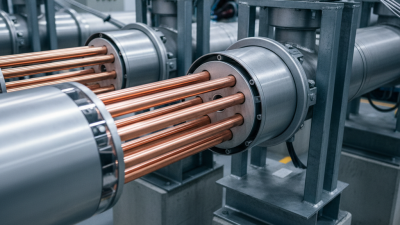
When selecting the right busway material, consider both performance and durability. Aluminum and copper are popular choices. Aluminum is lightweight and cost-effective, but it may not handle high temperatures as well. Copper, on the other hand, offers superior conductivity. However, it's heavier and generally more expensive. Assess your specific application needs when making this choice.
Component selection is just as vital. Insulation materials should withstand thermal variations and potential hazards. Look for options that ensure safety and longevity. The busway design should promote airflow for cooling. Poor design can lead to overheating, affecting efficiency. Regular inspections can reveal wear and tear, prompting necessary upgrades. Think about how your choices impact long-term performance.
While manufacturers may provide guidelines, personal experience plays a significant role. Every installation is unique, presenting challenges that require creative solutions. Pay attention to real-world feedback and case studies. These insights can guide your decisions, ensuring your busway system operates efficiently.
10 Essential Tips for Efficient Busway Power Distribution Systems
| Tip No. |
Tip Description |
Recommended Material |
Common Use Case |
| 1 |
Select materials that offer high conductivity. |
Copper |
Industrial plants |
| 2 |
Choose busway components that are easy to install. |
Aluminum |
Commercial buildings |
| 3 |
Ensure the system is scalable for future expansions. |
Steel |
Data centers |
| 4 |
Invest in thermal management solutions. |
Thermal insulation |
Power plants |
| 5 |
Incorporate protection against short circuits. |
Circuit breakers |
Manufacturing facilities |
| 6 |
Implement regular maintenance checks. |
Inspection tools |
All applications |
| 7 |
Ensure proper grounding of the system. |
Ground rods |
Electrical sub-stations |
| 8 |
Consider modular designs for flexibility. |
Modular busway systems |
Flexible facilities |
| 9 |
Select components with high heat tolerance. |
High-temperature alloys |
Heavy-duty operations |
| 10 |
Evaluate cost-effectiveness over lifecycle. |
Economical materials |
Long-term projects |
Maintenance Practices for Optimal Busway Performance
Maintaining busway power distribution systems is crucial for optimal performance and longevity. Regular inspections can identify issues early. A study from the Electrical Power Research Institute found that 30% of unplanned outages stem from inadequate maintenance practices. Keeping connections tight and moisture-free helps prevent failures.
Using thermal imaging can pinpoint hotspots that indicate underlying problems. Such preventive measures allow for timely interventions. Additionally, cleaning busway surfaces regularly reduces the risk of corrosion. Dust and debris act as insulators, increasing resistance and potentially leading to failures.
However, many facilities neglect routine maintenance. A report from the International Electrical Testing Association showed that 40% of systems fail to meet recommended maintenance schedules. This oversight can lead to costly downtimes and safety hazards. It's essential to implement a structured maintenance plan, emphasizing training for staff to enhance reliability.
10 Essential Tips for Efficient Busway Power Distribution Systems
Safety Standards and Regulations for Busway Power Systems
Busway power distribution systems play a crucial role in modern electrical infrastructure. Understanding the safety standards and regulations governing these systems is essential for ensuring both efficiency and reliability. Organizations must comply with relevant standards set forth by governing bodies. Failure to do so can lead to serious accidents or system failures.
The National Electrical Code (NEC) outlines vital safety measures. These include proper grounding practices and the installation of protective devices. Adhering to these regulations enhances safety and reduces the risk of hazards such as electrical fires or equipment damage. Regular inspections and maintenance are also recommended. They help identify potential issues before they escalate.
Despite these precautions, mistakes can happen. Many professionals overlook the importance of ongoing training in electrical safety standards. A lack of knowledge can lead to dangerous situations. It's crucial for teams to stay updated. Workshops and certification courses are valuable resources. Through education, better practices can be developed, fostering a culture of safety within organizations.