10 Essential Tips for Using Non Segregated Phase Bus Effectively?
In the realm of electrical engineering, the Non Segregated Phase Bus (NSPB) has garnered significant attention. It’s an essential component in power distribution systems. Industry expert Dr. Emily Carter emphasizes its importance: “In modern facilities, using Non Segregated Phase Bus can improve efficiency and safety.”
Despite its benefits, many overlook key best practices. Effective use of NSPB requires understanding its design and installation intricacies. Proper planning can prevent common pitfalls that arise during implementation.
Mistakes in installation can lead to downsides such as overheating or inadequate insulation. Regular maintenance and monitoring are vital to ensure optimal performance. By mastering these essential tips, users can harness the full potential of Non Segregated Phase Bus while mitigating risks. Engaging with the right practices not only ensures safety but also enhances overall system reliability.
Understanding Non Segregated Phase Bus: Key Components and Functionality
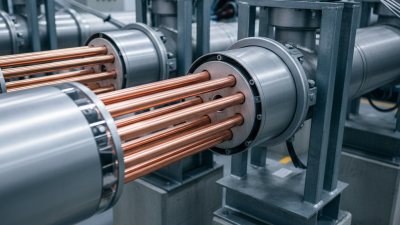
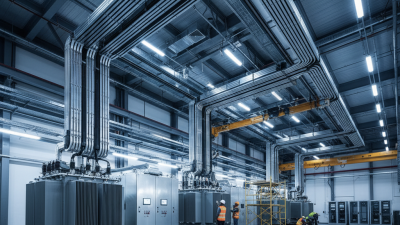
Non Segregated Phase Bus (NSPB) systems play a crucial role in modern electrical infrastructure. These systems enable efficient power distribution while minimizing space requirements. NSPB units consist of several key components, including conductors, insulation materials, and structural support elements. Proper understanding of these components is essential for optimal functionality. A recent report highlighted that NSPBs can save up to 30% in space compared to traditional bus systems.
Effective use of NSPB requires attention to several factors. Installation practices must ensure proper alignment and secure mounting. This prevents mechanical stress, which could lead to failures. Moreover, maintaining temperature control is vital for preventing overheating. Research indicates that thermal management can enhance NSPB lifespan by 20%. However, inadequate cooling can compromise system performance.
One aspect often overlooked is the importance of regular inspections. Operators should prioritize scheduled maintenance to identify early signs of wear or damage. This proactive approach can avert costly downtimes. Furthermore, understanding the surrounding environment is crucial. External factors like humidity and dust can impact NSPB performance. Ignoring these can lead to unexpected failures, emphasizing the need for a comprehensive management strategy.
Advantages of Using Non Segregated Phase Bus in Electrical Systems
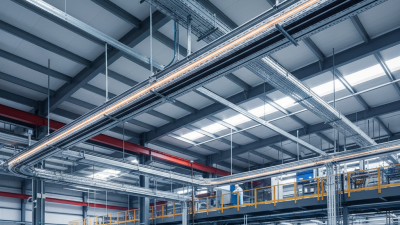
Non-segregated phase bus (NSPB) systems are gaining popularity in electrical installations. They offer significant advantages in terms of space savings and efficiency. NSPB systems reduce the physical footprint needed for electrical bus systems, which is crucial in facilities where space is limited. This compact design can lead to lower overall installation costs.
Another compelling benefit is improved thermal performance. The proximity of the phases enhances heat dissipation, reducing the risk of overheating. This can lead to a longer lifespan for electrical components. Moreover, NSPBs enhance system reliability. The reduced number of connections decreases potential points of failure. However, designing with NSPB systems requires careful consideration. Teams must ensure proper alignment to maintain efficiency.
While non-segregated phase bus systems have many advantages, they are not without challenges. For instance, routing may become complex in tight spaces. Proper planning and design are essential to navigate these issues effectively. As industries evolve, understanding the balance between benefits and constraints becomes vital for successful implementation.
Advantages of Using Non Segregated Phase Bus in Electrical Systems
Best Practices for Installation and Maintenance of Non Segregated Phase Bus
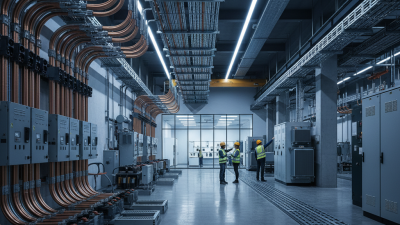
Non segregated phase bus systems play a crucial role in modern electrical distribution. Proper installation and maintenance are vital for optimal performance. According to a report by the International Electrotechnical Commission, proper installation can improve operational reliability by over 20%. Ensuring alignment during installation is key. Misalignment may lead to overheating and increased stress on connected equipment.
Routine inspections are essential. These inspections should assess wear and tear on connections and joints. It is recommended to use thermal imaging to identify hot spots. A study by the Electrical Power Research Institute found that 30% of failures could be traced back to poor maintenance practices. Keeping connections clean can greatly reduce risks. Debris and oxidation can lead to electrical faults.
Training personnel on best practices in handling and installing these systems is important. Lack of training can result in operational inefficiencies. A significant number of electrical outages are attributed to human error during maintenance. Regular training sessions can minimize these errors. Reflecting on these practices can enhance safety and reliability of power distribution systems.
Safety Considerations When Working with Non Segregated Phase Bus
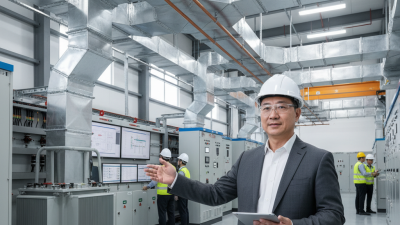
When working with Non Segregated Phase Bus (NSPB), safety is the top priority. Ensure proper training for all personnel. Limited experience can lead to accidents, so investing in education is essential. A knowledgeable workforce can properly identify risks.
Begin by performing regular inspections of the NSPB. Look for signs of wear and corrosion. These issues can pose serious safety risks. Understand your environment; factors like humidity and temperature can affect performance. Use tools designed for NSPB maintenance to minimize hazards.
Avoid overcrowding during maintenance. Too many people can distract or confuse the process. Keep the work area clear and organized. Encourage team members to communicate openly, especially during critical tasks. Regularly review safety procedures and integrate feedback from staff. This collaborative approach improves safety culture.
Troubleshooting Common Issues in Non Segregated Phase Bus Operations
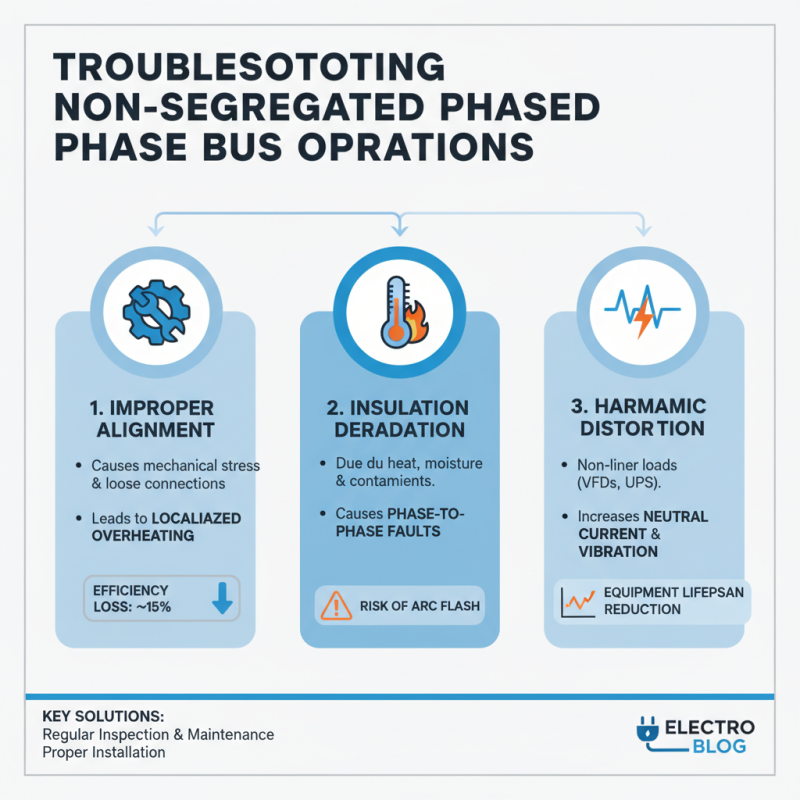
Non-segregated phase bus (NSPB) systems are essential for efficient electrical transport in various installations. However, users often encounter operational issues. Understanding these common problems can enhance performance and reliability. For instance, improper alignment can lead to overheating, which, according to industry studies, can decrease efficiency by up to 15%.
Regular maintenance is crucial. Ensure that connections are secure and free of corrosion. Inspecting joint integrity can prevent unexpected failures. Incorporating thermal imaging technology can identify hotspots before they escalate. This proactive approach is recommended by several electrical safety organizations.
Consider training personnel on NSPB systems. A knowledgeable team can quickly identify and address malfunctions. Familiarize staff with system specifications and standard troubleshooting procedures. Always keep replacement parts handy. Suppliers often report that unplanned downtime can cost facilities thousands of dollars. By implementing these preventive measures and promoting awareness, operational challenges can be minimized, ensuring that the NSPB system functions effectively.